MWE Correspondent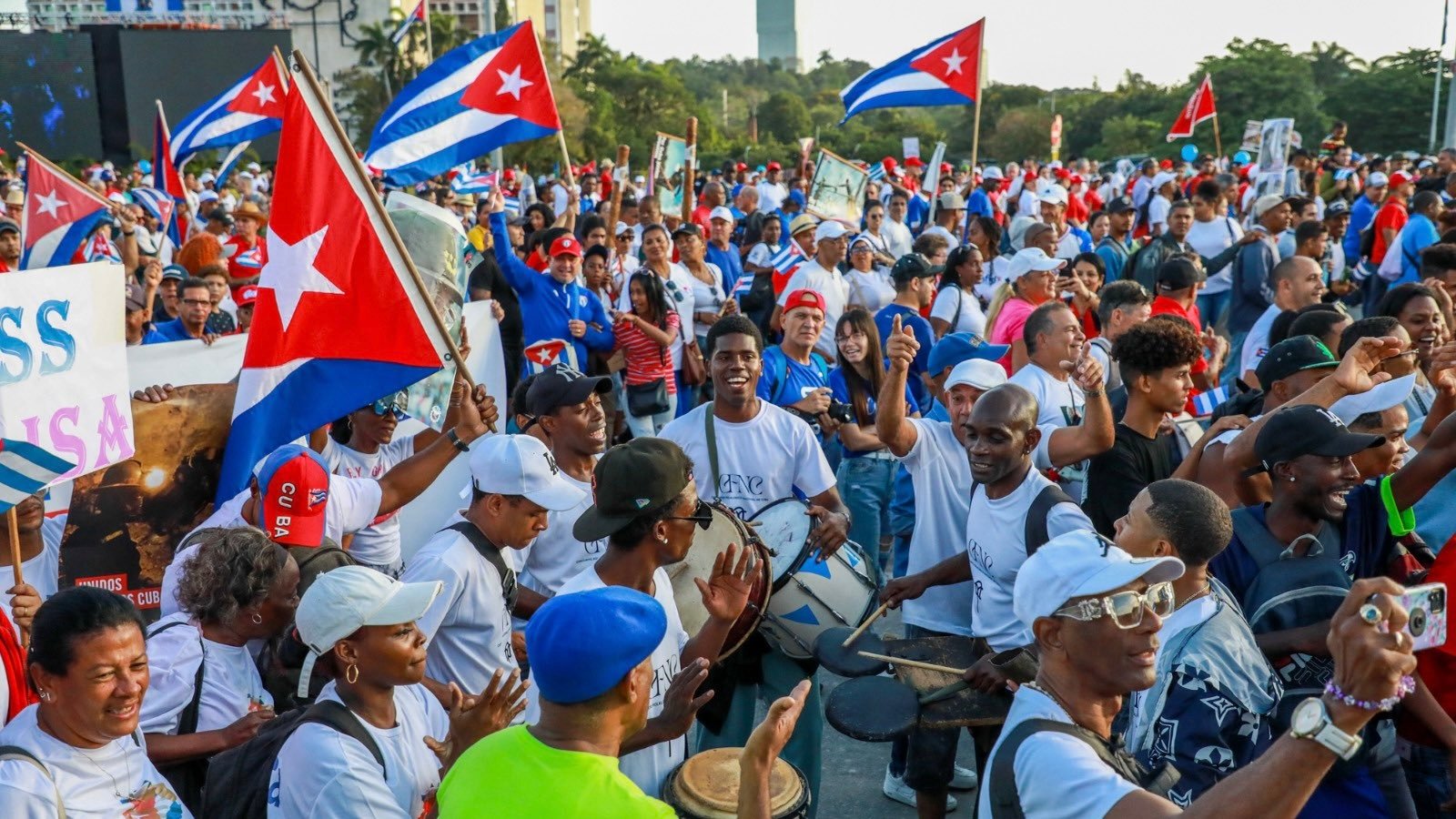
Cuba, long celebrated for its resilience and vibrant culture, is now grappling with one of the most severe energy crises in decades. The crisis, fueled by a combination of international sanctions, disrupted oil supplies, and systemic economic pressures, has left millions facing electricity outages and fuel shortages across the island.
The roots of the crisis trace back to ongoing tensions in United States–Cuba relations. Sanctions and policy decisions over the years have limited Cuba’s access to critical resources, most notably oil imports from Venezuela. The situation worsened after the capture of Venezuelan President Nicolás Maduro in early 2026, which halted the flow of Venezuelan crude, Cuba’s primary energy lifeline.
President Miguel Díaz-Canel addressed the nation in a televised statement, emphasizing that restoring energy stability is a top priority. “The priority is to stabilize our energy system,” he said, acknowledging the impact on essential services such as healthcare, transportation, and communications. Hospitals have postponed surgeries, airlines have canceled flights, and thousands of households are navigating prolonged power outages daily.
Compounding the crisis, former U.S. President Donald Trump labeled Cuba a “weak nation” during a press conference, claiming he could “take” the island at will. The remarks ignited outrage in Havana, yet they also highlight the geopolitical pressures that have long shaped Cuba’s domestic and foreign policy.
Also Read; Congo Launches Special Court to Fight Corruption
Despite these challenges, diplomatic channels are reportedly opening. Cuba has initiated talks with the United States to reduce tensions and address pressing humanitarian concerns. In February 2026, the U.S. agreed to allow a limited supply of oil into Cuba for humanitarian reasons, a rare measure aimed at alleviating civilian hardship.
Experts point out that Cuba’s crisis reflects the fragile balance between politics, economics, and human welfare under sanctions. While the country has invested in domestic oil production and solar energy expansion, these efforts remain insufficient to replace imported fuel entirely.
This ongoing energy shortage has far-reaching consequences. Beyond power and fuel, it threatens the stability of health services, public infrastructure, and day-to-day life. Yet, the Cuban leadership emphasizes resilience and adaptation. As Díaz-Canel reminded the nation, “Cuba will survive this crisis, we are resilient,” capturing the spirit of a population accustomed to overcoming adversity.
The crisis in Cuba stands as a stark illustration of how international politics and economic decisions ripple through communities, affecting millions. As the island navigates these challenges, the world watches, observing a nation striving to maintain its social fabric and human dignity amid geopolitical turbulence.