 editor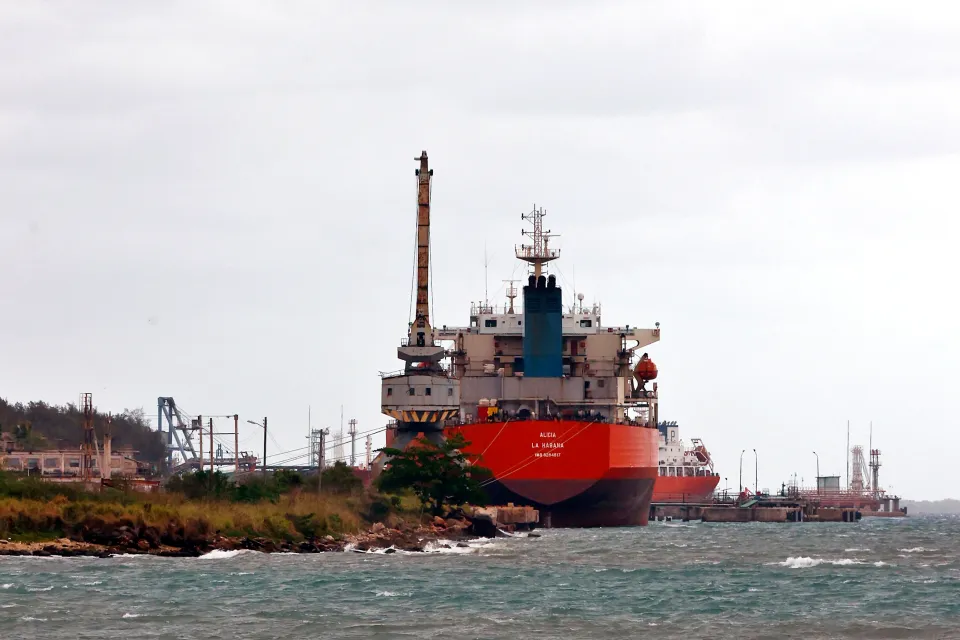
A senior Cuban diplomat has accused the United States of engaging in what he described as “international piracy” amid escalating tensions over Venezuelan oil deliveries to the island nation.
The allegations follow a series of U.S. actions that have disrupted oil shipments and coincided with the dramatic capture of Venezuelan President Nicolás Maduro earlier this month.
Carlos de Cespedes, Cuba’s ambassador to Colombia, told Al Jazeera on Saturday that Washington’s measures amounted to a “marine siege” against the country, marking the most serious threats Cuba has faced since the 1959 revolution. “Cuba is facing more powerful U.S. threats than it has in the 67 years since the revolution,” de Cespedes said, highlighting decades of sanctions, military pressure, and diplomatic isolation.
The dispute centers on Venezuela, Cuba’s key supplier of crude oil, which has been affected by U.S. military and economic operations. Historically, Cuba receives tens of thousands of barrels of Venezuelan oil daily, which support energy, transportation, and electricity needs across the island. The recent U.S. blockade has severely curtailed this flow, raising concerns about shortages and economic pressure on Havana. Venezuela’s government also denounced the actions, calling them a violation of its sovereignty and a threat to regional stability.
De Cespedes argued that the interception of Venezuelan tankers in international waters constitutes a breach of maritime law and international norms. He said the U.S. is effectively carrying out an unauthorized blockade, restricting Cuba’s ability to import vital energy resources. “The U.S. is carrying out international piracy in the Caribbean Sea that is restricting and blocking the arrival of oil to Cuba,” he stated.
Also Read; Senegal Prime Minister to Visit Morocco After AFCON Final
International observers note that such disputes carry broader legal and geopolitical implications. Under the United Nations Convention on the Law of the Sea, interfering with civilian shipping in international waters without explicit UN authorization is generally prohibited. Legal experts warn that prolonged blockades or naval interceptions could be considered acts of aggression if not justified under international law.
The Cuban government has called on regional organizations and global bodies to condemn the U.S. actions, framing the issue as not only a bilateral dispute but also a threat to energy security in the Caribbean. Havana emphasizes that Venezuelan oil is a lifeline for the island and that continued disruptions could exacerbate economic hardships.
The U.S., in turn, maintains that its actions are intended to enforce sanctions on Venezuela and prevent the illicit transfer of oil to sanctioned entities. Officials argue that the tankers intercepted were allegedly engaged in evasion of sanctions or connected to illicit activity, though Cuban and Venezuelan authorities strongly dispute these claims.
This latest episode highlights how energy, geopolitics, and maritime operations have become intertwined in the region. Analysts say it underscores the fragile balance of power in Latin America and the Caribbean, where sanctions, naval maneuvers, and diplomatic pressure increasingly intersect with the daily lives of citizens dependent on vital imports.