MWE Correspondent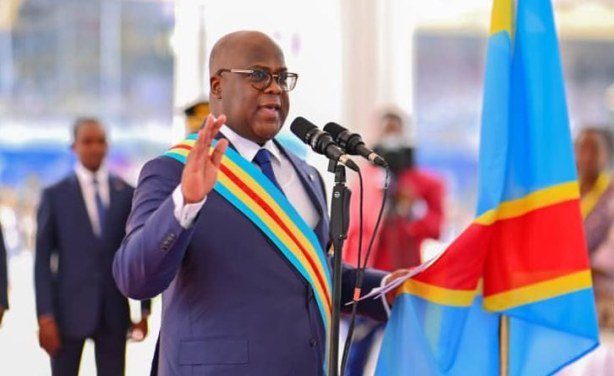
The ongoing debate over constitutional reform in the Democratic Republic of the Congo has emerged as one of the most sensitive political issues in the country in recent years.
Discussions surrounding possible amendments or a full revision of the national legal framework have deepened divisions between supporters of the ruling coalition and opposition leaders, raising broader questions about governance, institutional stability, and democratic safeguards.
The debate is closely tied to the framework established under the , adopted in 2006 following years of conflict and transitional governance. This constitution introduced key democratic principles, including separation of powers and presidential term limits, which were designed to prevent prolonged rule and encourage peaceful transfers of power. Any proposal to amend or replace it is therefore viewed as a significant political undertaking with long-term implications.
Supporters of constitutional reform, including allies of President , argue that revisiting the constitution could modernize governance structures and address emerging national priorities. They maintain that constitutional evolution is a normal process in a functioning democracy, provided it follows legal procedures and reflects the will of the people. Some proponents also suggest that institutional adjustments could improve efficiency in public administration and strengthen state capacity.
Also Read: Digital Trade Rules Raise Concerns in Africa
However, opposition figures have expressed strong reservations. Leaders such as have argued that the current constitution already contains sufficient provisions to guide governance and that the real challenge lies in implementation rather than structural deficiency.
From this perspective, constitutional reform may risk opening the door to political maneuvering, particularly concerning sensitive provisions such as presidential term limits.
At the heart of the debate is concern over the preservation of democratic norms, especially the two-term limit for the presidency. Critics fear that significant constitutional changes could weaken these safeguards, potentially altering the balance of power within the political system. Such concerns have fueled public discourse and prompted calls from civil society organizations for transparency, inclusivity, and adherence to established legal procedures.
The DRC’s political environment adds further complexity to the discussion. With a history marked by transitions, conflict, and efforts at institutional rebuilding, constitutional stability is widely regarded as a cornerstone of national cohesion. Observers note that any attempt to modify the foundational legal framework must be handled with caution to avoid exacerbating political tensions or undermining public confidence in democratic institutions.
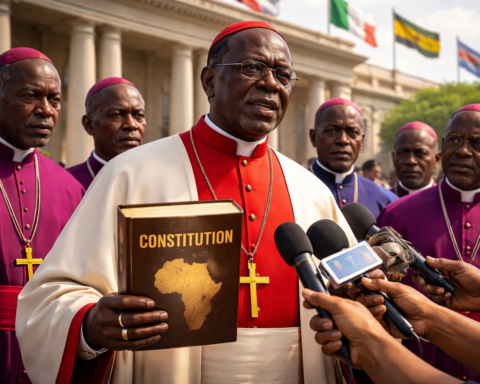
Reactions from across society have been mixed. Some stakeholders view the debate as an opportunity to strengthen governance through carefully considered reforms, while others caution that the timing and motivations behind the initiative must be clearly justified. Religious groups, analysts, and civil society actors have emphasized the importance of national dialogue to ensure that any constitutional process reflects broad consensus rather than partisan interests.
As discussions continue, the question of whether constitutional reform is timely remains unresolved. What is evident, however, is that the outcome will depend on the ability of political leaders and institutions to navigate the process responsibly, respecting both legal frameworks and democratic principles.
The direction taken in this debate is likely to influence not only the country’s political trajectory but also its broader institutional credibility in the years ahead.