MWE Correspondent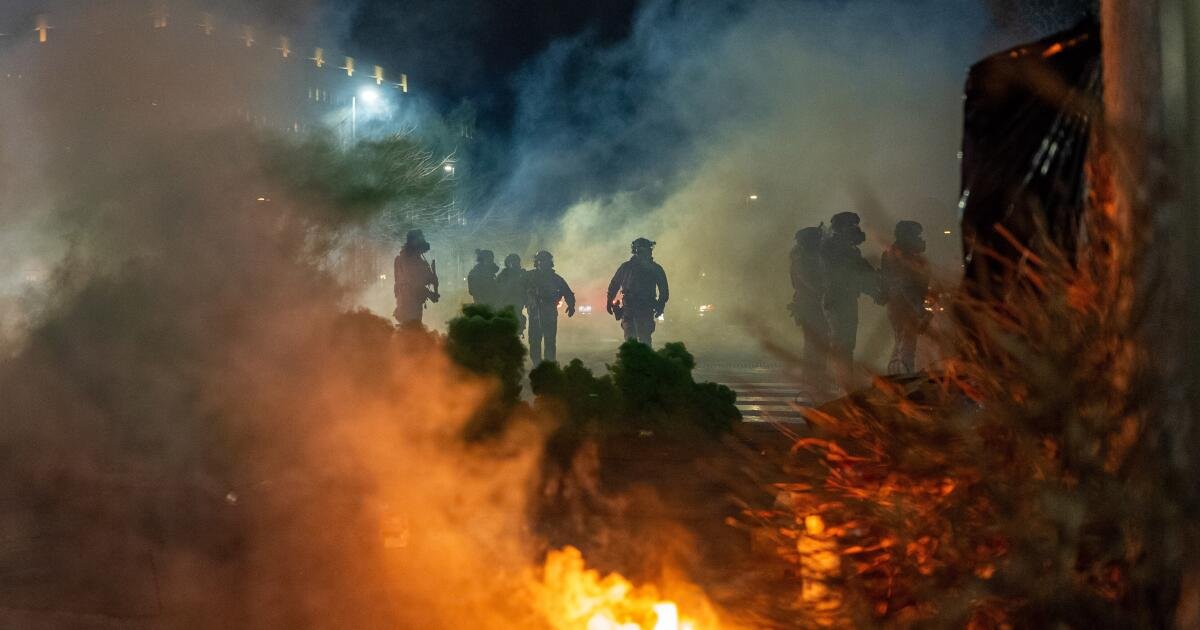
Tensions flared in the US cities of Minneapolis and St. Paul on Tuesday as security officers confronted protesters angered by the fatal shooting of a civilian by immigration officers, an incident that has continued to fuel nationwide demonstrations and renewed debate over federal enforcement policies.
The clashes came more than a week after the shooting of Renee Good, an American citizen who was killed during an immigration-related operation in Minneapolis. Since the incident, demonstrations have intensified, with protesters demanding accountability, transparency, and an end to what they describe as excessive use of force by federal agents.
On Tuesday, large crowds gathered in central Minneapolis and nearby St. Paul, chanting slogans and carrying placards calling for justice. Demonstrators accused authorities of failing to provide clear answers about the circumstances surrounding the shooting, while urging an independent investigation. As night fell, confrontations broke out when security forces attempted to disperse crowds, leading to tense standoffs in several areas.
The protests have unfolded against the backdrop of a broader immigration crackdown announced by the administration of President Donald Trump. Critics argue that the tougher enforcement posture has contributed to a rise in aggressive operations, increasing the risk of deadly encounters. Supporters of the policy, however, insist that officers are acting within the law to enforce immigration rules and protect public safety.
Minneapolis has a long history of protests linked to policing and federal authority, and the latest unrest has revived painful memories of past confrontations between communities and law enforcement. Local leaders have called for calm while also acknowledging public anger. City officials say they are working to balance the right to peaceful protest with the need to maintain order.
Also Read; President Samia Calls for Justice, Integrity in Courts
Civil rights groups and immigration advocates have also weighed in, calling for stricter oversight of U.S. Immigration and Customs Enforcement operations. They argue that federal agents often operate with limited local accountability, particularly during large-scale enforcement actions. Several organizations have demanded that body-camera footage and operational details related to the shooting be released to the public.
Beyond Minnesota, solidarity protests have been reported in other US cities, reflecting wider concerns about immigration enforcement, policing, and civil liberties. Analysts note that the incident has become part of a broader national conversation about the role of federal agencies, the use of force, and the protection of citizens’ rights under the law.
As demonstrations continue, attention remains focused on how authorities will respond to calls for justice and reform. For many protesters, the issue goes beyond a single incident, touching on deeper questions about accountability, power, and trust in government institutions across the United States.
With emotions still running high, community leaders are urging dialogue and restraint, warning that without meaningful action, public anger is likely to persist in the days ahead.