MWE Correspondent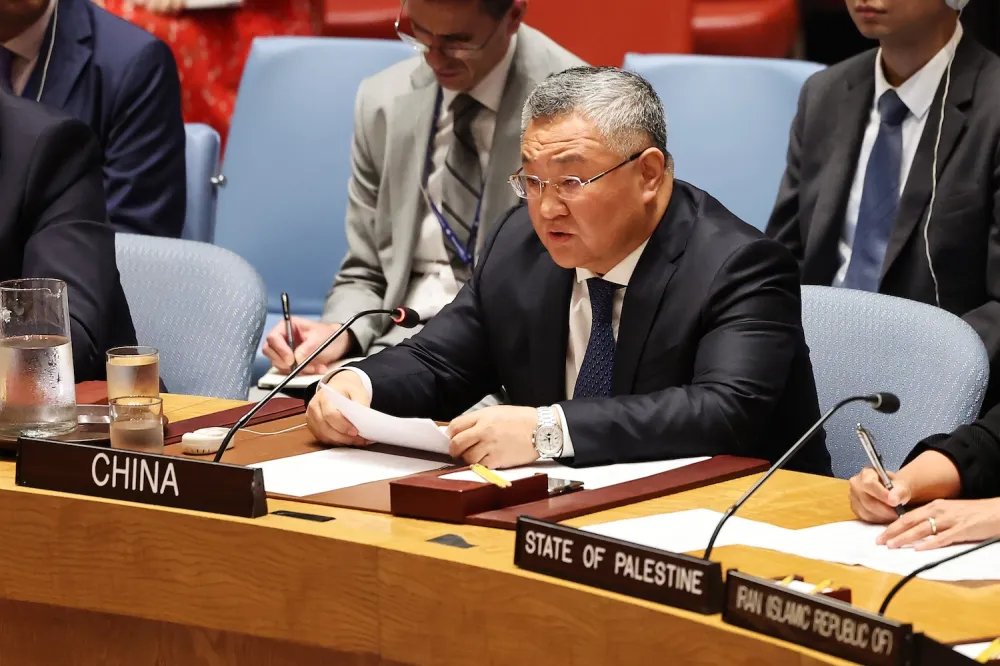
China has strongly rejected any attempts to interfere in the internal affairs of other countries, calling for calm and diplomatic solutions amid rising tensions between the United States and Iran.
Beijing’s statement comes after U.S. President Donald Trump warned that the United States could take military action if Iran escalates its crackdown on protesters.
In an official release, China’s Ministry of Foreign Affairs stressed that sovereign nations should manage their own domestic matters without external influence. The statement highlighted that foreign interference undermines global stability and violates international norms. “We oppose any form of intervention in the internal affairs of other countries,” the ministry said, reiterating Beijing’s long-standing commitment to respect for sovereignty.
The U.S. administration has issued warnings regarding Iran’s response to ongoing demonstrations, raising concerns about potential military escalation. Analysts say these statements risk intensifying an already delicate situation in the region, where months of unrest have claimed hundreds of lives. Many of the protests stem from economic grievances and rising living costs, but Iran’s leadership has portrayed the unrest as a security threat. For context on global military actions,
Also Read; Barrick Excels In Providing Job Opportunities For Local Employees
China, a close partner of Iran, called on all parties involved to adopt measures that promote peace and stability in the Middle East. The Chinese government emphasized dialogue, cooperation, and negotiation as essential tools to avoid further escalation, underlining its preference for diplomatic solutions over military involvement. Observers note that Beijing’s position aligns with its broader foreign policy approach of peaceful coexistence and non‑interference.
Experts suggest that China’s intervention, while diplomatic in tone, also reflects its strategic interest in the region. By advocating for stability and cautioning against foreign interference, Beijing positions itself as a key player in regional diplomacy while challenging unilateral actions that could destabilize the Middle East. Analysts further note that such statements may influence other global powers to exercise restraint, highlighting China’s growing role as a mediator on the world stage.
The escalating tensions underscore the complex interplay between national sovereignty, human rights concerns, and international security. While the United States emphasizes potential military responses, China’s message serves as a reminder of the importance of dialogue, negotiation, and respect for domestic governance. Global observers continue to monitor developments closely, with the hope that diplomatic engagement can prevent further violence and maintain regional stability.