MWE Correspondent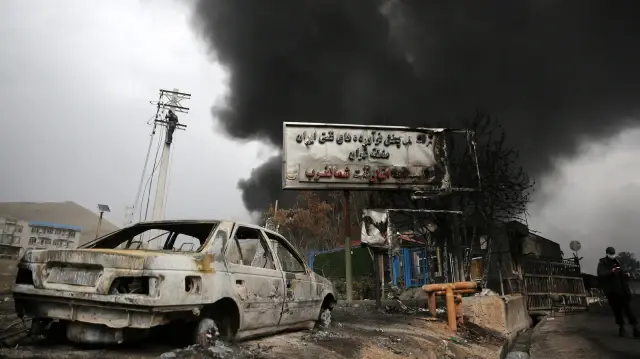
China has issued a strong condemnation of recent attacks by Iran on several Gulf nations, warning that such actions threaten peace and security across the Gulf region.
The Chinese government emphasized that assaults targeting civilians or civilian infrastructure are unacceptable and escalate tensions unnecessarily.
A spokesperson for China’s Ministry of Foreign Affairs said the immediate priority is to halt all military operations in the region to prevent further escalation. “We call on all parties involved to return to diplomatic dialogue as the primary means of resolving this crisis,” the official added, stressing that negotiation remains the only sustainable path to peace.
China reiterated the importance of respecting the sovereignty, safety, and territorial integrity of each nation in the Gulf. The government highlighted that attacks on non-military facilities not only endanger innocent lives but also undermine regional stability and trust among neighboring countries.
The statement comes amid rising military tension in the Middle East, where the international community has been voicing concern over the potential for the conflict to spread. Global leaders and organizations continue to urge restraint, emphasizing political engagement over military confrontation.
Analysts note that China’s position aligns with its longstanding approach to international conflicts: promoting stability, non-interference, and adherence to international law. By encouraging dialogue, Beijing aims to protect both regional security and economic interests, particularly given the Gulf’s strategic role in global energy supply.
Also Read; Tehran Declares Three Conditions To End Escalating Conflict
The escalation has drawn attention from humanitarian groups warning that continued attacks could increase civilian displacement, disrupt essential services, and heighten the risk of wider humanitarian crises. China’s call to stop hostilities and resume negotiations reflects a desire to avoid further regional suffering.
Experts say that Beijing’s emphasis on diplomacy mirrors ongoing efforts led by the United Nations to mediate ceasefires and facilitate communication between conflicting parties. Observers argue that coordinated international engagement is critical to preventing a broader escalation in the Middle East.
As tensions remain high, China’s statement sends a clear message that unilateral military actions carry severe consequences for regional and global stability. Officials urged all sides to respect international norms, safeguard civilians, and prioritize negotiation over armed confrontation.
The situation in the Gulf continues to evolve, with diplomatic channels under pressure to produce results. Analysts suggest that sustained international attention and adherence to diplomatic protocols are essential to reduce the risk of further destabilization in this volatile region.