MWE Correspondent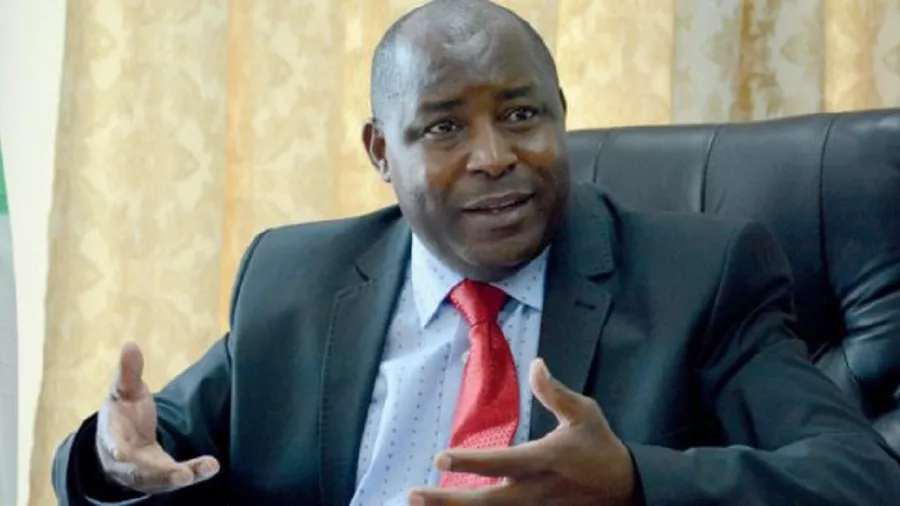
Burundi’s President Évariste Ndayishimiye has stepped in personally to defuse a diplomatic situation after controversial remarks made by his foreign minister about Qatar briefly threatened to strain relations between the two countries.
The incident, which unfolded on social media over the weekend, has highlighted the growing sensitivity of digital diplomacy and the tightrope leaders must walk in an increasingly interconnected world.
The controversy began when Burundi’s minister of foreign affairs published a critical message online questioning Qatar’s role in regional peace efforts, particularly those linked to instability in eastern Democratic Republic of the Congo. The post suggested that Doha’s involvement was unhelpful and implied that its influence could be obstructing broader international action. Within hours, the message had attracted attention beyond Burundi’s borders and was swiftly deleted, suggesting concern over its potential diplomatic impact.
President Ndayishimiye moved quickly to distance his government from the remarks. In a public response of his own, he reaffirmed that Burundi maintains cordial and respectful relations with Qatar and values its contribution to dialogue and mediation efforts in Africa. The president made it clear that the comments did not reflect official policy, describing them as the result of a misunderstanding rather than a shift in Burundi’s foreign relations.
Diplomatic observers say the speed and tone of the president’s intervention were significant. It is relatively uncommon for a head of state to openly correct a senior cabinet minister, especially on matters of foreign policy. However, analysts note that Ndayishimiye’s response appeared carefully calibrated to reassure international partners while preventing a minor incident from escalating into a wider diplomatic dispute.
Also Read; Venezuela Oil Wealth Reshapes Global Energy Politic
Qatar has, in recent years, emerged as an active mediator in several international conflicts, using its diplomatic reach to host talks and facilitate dialogue. Its involvement in African peace initiatives, including discussions related to the Democratic Republic of the Congo, has been welcomed by some regional actors, even as it has drawn scepticism from others. Burundi’s leadership has previously expressed support for peaceful negotiations and external mediation aimed at stabilising the region.
The episode also sheds light on the internal pressures facing governments in the Great Lakes region, where conflicts, alliances and rivalries often overlap. Burundi, a landlocked nation with limited economic resources, relies heavily on constructive relations with international partners. Preserving diplomatic goodwill is therefore seen as a strategic priority for Bujumbura, particularly at a time when regional security remains fragile.
Political analysts argue that the incident serves as a reminder of how quickly unofficial statements can create international repercussions. In the age of social media, even short-lived posts can reach foreign capitals within minutes, forcing leaders to respond just as quickly to manage perceptions and protect national interests.
For now, President Ndayishimiye’s intervention appears to have stabilised the situation. By reaffirming Burundi’s official stance and underscoring respect for diplomatic norms, he has sought to ensure that relations with Qatar — and Burundi’s broader foreign policy direction — remain intact.