MWE Correspondent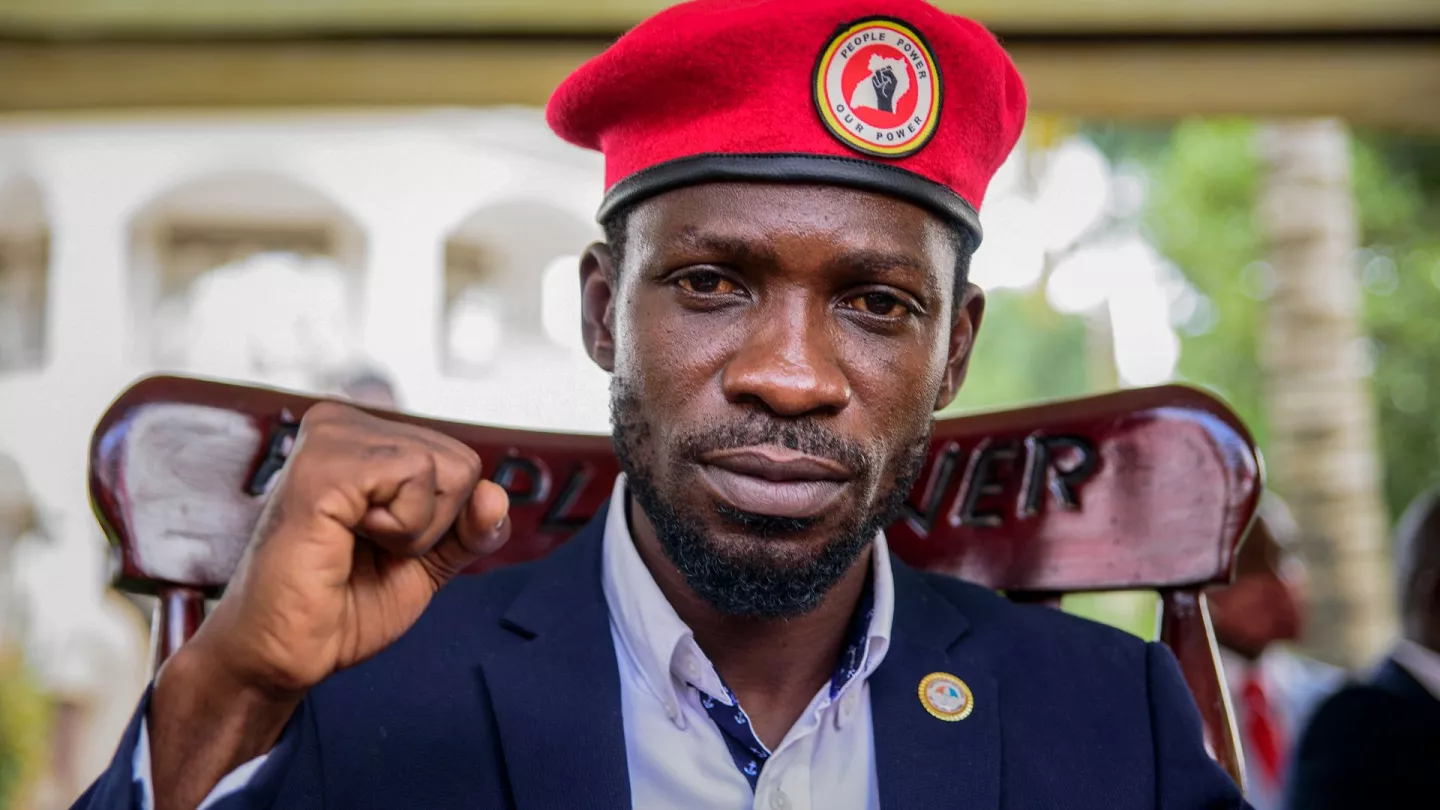
Police and military personnel who had been surrounding the home of Ugandan opposition figure Robert Kyagulanyi, widely known as Bobi Wine, have now withdrawn following days of mounting pressure from lawmakers and human rights advocates.
The move marks a temporary easing of tensions after a period of heightened political scrutiny in the country.
Bobi Wine, born Robert Kyagulanyi Ssentamu in 1982, is a former musician turned politician who rose to prominence with the National Unity Platform (National Unity Platform), one of Uganda’s main opposition parties. He first gained national attention for his music, which often highlighted social injustice, government corruption, and the struggles of ordinary Ugandans. Leveraging his popularity among youth and urban voters, he transitioned into politics and became a Member of Parliament in 2017, representing Kyadondo East constituency in Kampala.
Over the past several years, Bobi Wine has emerged as the leading challenger to long-time President Yoweri Museveni. His rise has been accompanied by repeated confrontations with state authorities, including arrests, restrictions on his movements, and frequent deployment of security forces at his events and residences. Analysts attribute these measures to a broader pattern of suppressing opposition voices in Uganda, especially as Museveni seeks to maintain political control after decades in power.
The recent security siege of Kyagulanyi’s residence drew widespread condemnation. Lawmakers, civil society groups, and international human rights organizations described it as an act of intimidation designed to stifle dissent and discourage opposition activity. The immediate trigger for the heightened security around his home is believed to be political mobilization in Kampala ahead of upcoming local and national elections, combined with ongoing tensions between opposition parties and the government.
Also Read; Egypt Reports New Western Desert Gas Discovery Boost
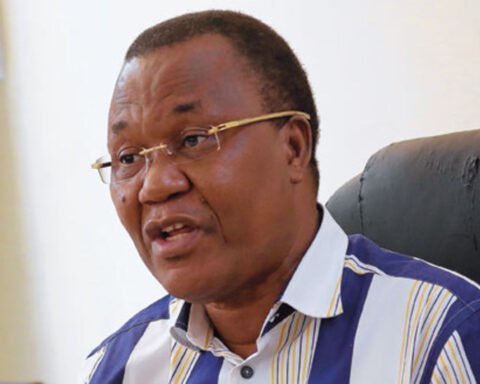
According to John Baptist Nambeshe, the Leader of the Opposition in Parliament and senior NUP member, the withdrawal of security forces is a welcome development but does not address the deeper issues at play. Speaking to a journalist in Kampala, Nambeshe said, “This is a step in the right direction, but it does not erase the pattern we have seen over time. There must be respect for democratic space and the rights of all citizens.”
Observers note that Bobi Wine’s political journey reflects the broader struggle of Uganda’s opposition movement, which has historically faced restrictions, harassment, and limitations on political expression. His supporters argue that state intimidation has been used to maintain the dominance of a single party and prevent genuine competition. Over time, these tactics have included arrests during campaigns, roadblocks, curfews, and widespread military presence at rallies and private residences.
Residents near Kyagulanyi’s home expressed relief as security forces finally vacated the premises, allowing normal activity to resume. Yet uncertainty remains about future government actions, particularly given Uganda’s history of politically motivated interventions.
Human rights advocates say the incident underscores the fragility of political freedoms in Uganda, highlighting the need for reforms that ensure opposition figures can operate without fear. While the withdrawal signals responsiveness to domestic and international pressure, analysts emphasize that long-term solutions will require systemic changes to the political landscape, the electoral system, and the respect for civil liberties.