MWE Correspondent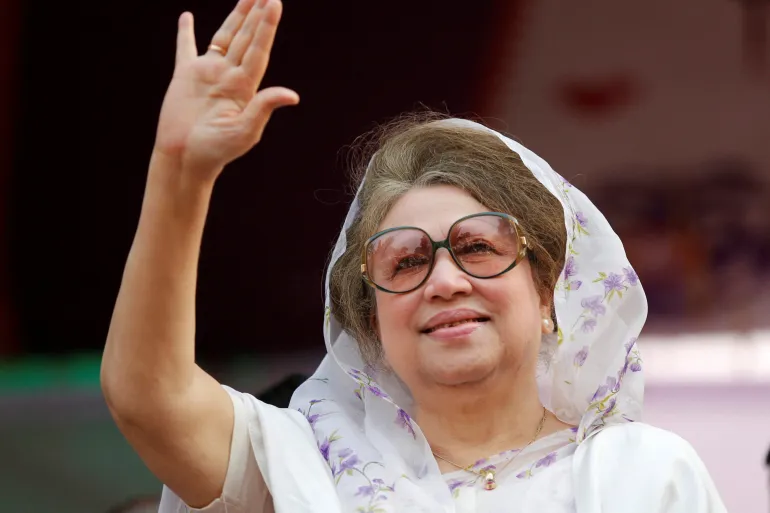
Bangladesh is in mourning following the death of former Prime Minister Khaleda Zia, one of the country’s most influential and enduring political figures, who passed away at the age of 80 after a long battle with illness.
Her death closes a significant chapter in the nation’s political history, coming at a sensitive time as the country prepares for a crucial general election scheduled for early 2026.
Khaleda Zia had been suffering from several chronic health conditions, including liver cirrhosis, diabetes, heart complications and respiratory problems, according to her medical team. She was admitted to hospital in late November after her condition deteriorated, and despite intensive treatment, doctors said her health continued to decline due to multiple underlying complications.
Even as her health weakened, Zia remained politically relevant. In November, she had expressed her determination to take part in campaigning ahead of the upcoming elections, which were expected to be the first national vote since a popular movement last year reshaped the country’s political landscape. Many of her supporters believed her presence would once again energise the opposition and influence the direction of the country.
Also Read; Tanzania Reassures Public Over TAZARA Upgrade Benefits
Zia served as Prime Minister of Bangladesh on two occasions, first from 1991 to 1996 and later from 2001 to 2006. Her initial election marked a historic moment, as she became the first woman to lead the South Asian nation. Over the years, she emerged as a central figure in national politics, admired by supporters for her resilience and criticised by opponents for her confrontational style.
Her political journey was also shaped by a long and intense rivalry with Sheikh Hasina, another dominant figure in Bangladeshi politics. The competition between the two leaders defined public life for decades, influencing elections, governance and national debate. Together, they symbolised an era in which politics was deeply polarised but widely participatory.
In 2018, Zia was imprisoned following a corruption conviction during Hasina’s time in power, a case her allies consistently described as politically motivated. During her detention, she was barred from travelling abroad for specialised medical treatment, a restriction that drew criticism from human rights groups. She was released last year after a change in political circumstances that saw her long-time rival forced from office.
Tributes have continued to pour in from across the political spectrum, with many acknowledging Zia’s role in shaping the country’s democratic path and her impact on women’s leadership in the region. Analysts say her death not only marks the loss of a former leader, but also highlights the gradual transition away from a generation that dominated national politics for more than three decades.