MWE Correspondent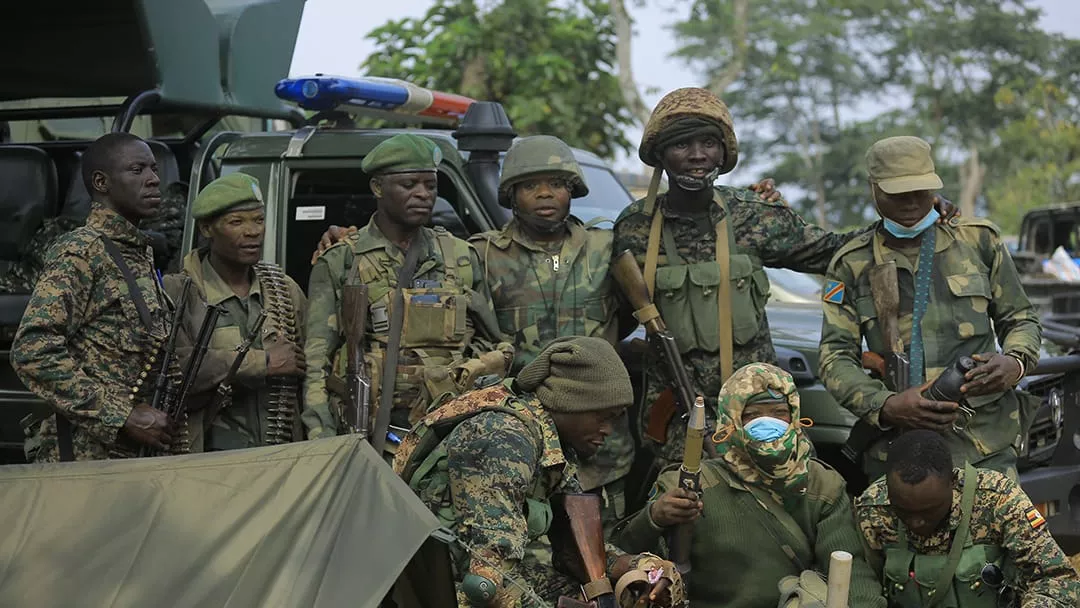
Angola has once again stepped forward as a regional mediator, presenting new proposals aimed at ending the long-running conflict in eastern Democratic Republic of the Congo, a crisis that has resisted multiple peace initiatives over the years.
The renewed effort follows a recent visit by Congolese President Félix Tshisekedi to Luanda, during which Angolan leaders outlined ideas that are reported to have been received positively.
According to officials familiar with the discussions, Angola’s proposals focus on reviving dialogue, strengthening regional cooperation and addressing the underlying security concerns that continue to fuel violence in eastern Congo. While the exact details have not been publicly disclosed, the talks are understood to have explored political, security and diplomatic measures designed to create conditions for lasting peace rather than short-term ceasefires.
President Tshisekedi’s engagement with Angolan leaders has raised cautious optimism among regional observers. His visit signalled a willingness to consider alternative approaches after previous mediation efforts, including those led by Angola itself, failed to produce meaningful results. Those earlier initiatives were hampered by deep mistrust between rival actors, disagreements among neighbouring states and persistent fighting on the ground.
Eastern Congo has remained a flashpoint for decades, with armed groups competing for territory and influence in a region rich in natural resources but plagued by weak state control. The instability has had devastating humanitarian consequences, displacing millions of civilians and creating insecurity that spills across borders. Any attempt to resolve the conflict, analysts say, must therefore involve both national and regional actors. Understanding the broader context of the Democratic Republic of the Congo is essential to grasp why peace has been so difficult to achieve.
Also Read; Venezuela Oil Wealth Reshapes Global Energy Politic
Angola’s renewed involvement reflects its broader diplomatic ambitions within Africa. Having emerged from its own prolonged civil war, Angola often positions itself as an advocate for dialogue, reconciliation and African-led solutions to African conflicts. Its leaders have repeatedly argued that sustainable peace in the region cannot be imposed from outside, but must be built through cooperation among neighbouring countries.
Regional diplomacy has become increasingly important as international fatigue grows over the conflict. Efforts by global actors have produced limited success, reinforcing calls for stronger leadership from within Africa itself. Angola’s proposals are believed to encourage closer coordination between regional governments, improved security mechanisms along shared borders and renewed political engagement aimed at reducing tensions.
However, analysts caution that positive reactions at the presidential level do not automatically translate into progress on the ground. Armed groups operating in eastern Congo have historically shown little commitment to peace agreements, and competing regional interests have often undermined implementation. Previous initiatives collapsed not because of a lack of ideas, but because of challenges in enforcement and trust.
Still, President Tshisekedi’s reported openness to Angola’s latest proposals is being viewed as a potentially important step. His administration has faced growing pressure at home to improve security in the east, where ongoing violence continues to dominate public concern. Success or failure in this area could have lasting implications for Congo’s political stability.
For millions of civilians caught in the conflict, the hope is that this latest diplomatic push will move beyond words and bring tangible progress toward peace in one of Africa’s most troubled regions.