MWE Correspondent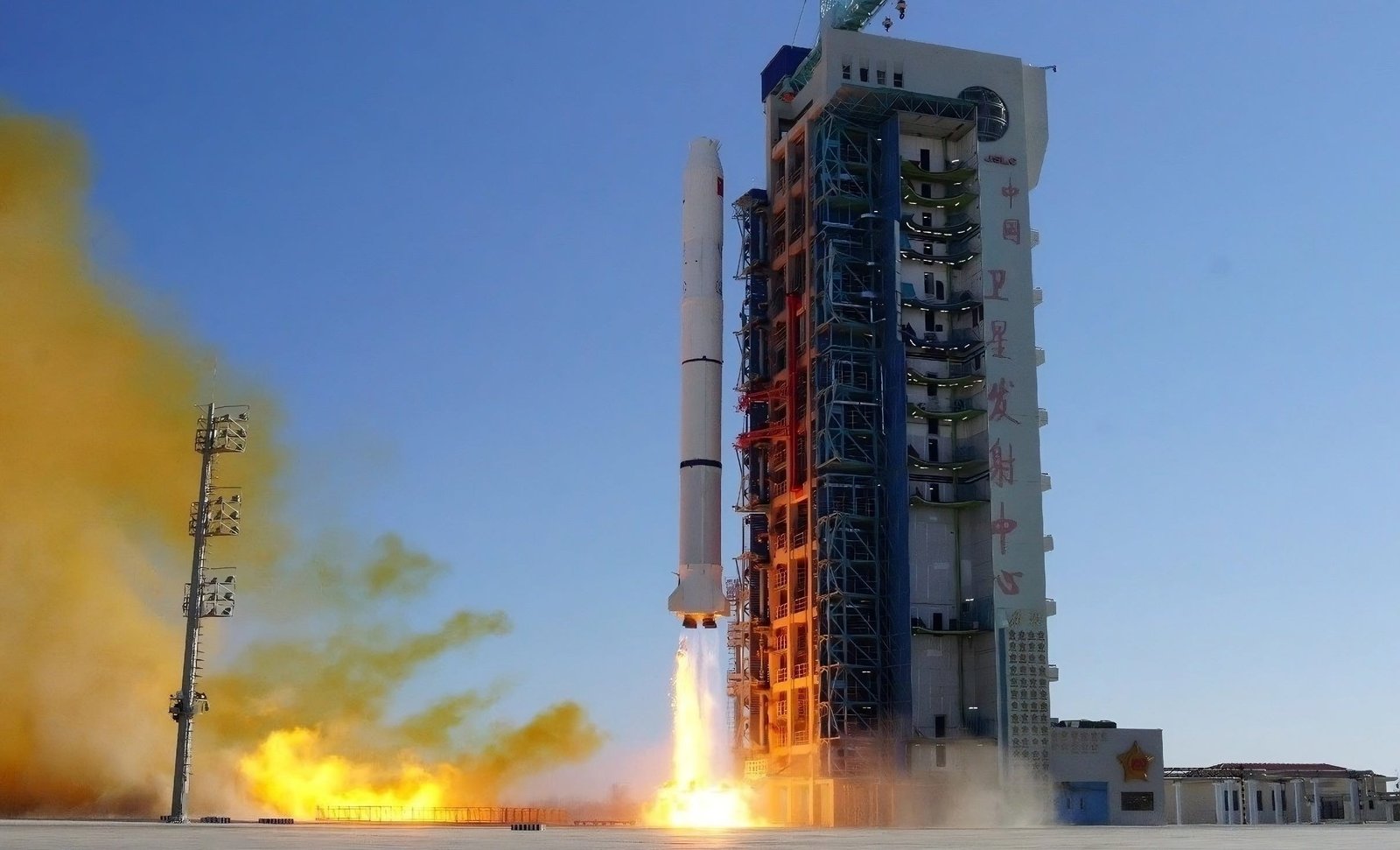
Algeria has taken a significant leap forward in its space program with the successful launch of ALSAT‑3A, the country’s latest Earth observation satellite.
On January 15, 2026, a Long March‑2C rocket lifted off from the Jiuquan Satellite Launch Center in China, placing the satellite into its designated sun‑synchronous orbit. This milestone marks a major step in Algeria’s growing space capabilities and its drive to harness satellite technology for national development.
The satellite is the first of two advanced remote sensing platforms Algeria commissioned under a multi-year cooperation agreement with Chinese partners signed in July 2023. ALSAT‑3A is designed to collect high-resolution imagery and data that will support land-use planning, environmental monitoring, and disaster management—critical priorities for a country navigating diverse climates and geographical challenges.
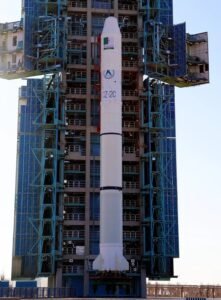
Algerian officials closely monitored the launch from the country’s Remote Sensing Satellite Station, with the military and scientific leadership overseeing operations in real time. The Ministry of Defense and Space highlighted that the satellite will enhance Algeria’s ability to map terrain, analyze land patterns, and provide geospatial data for planning and emergency response.
The ALSAT‑3A mission is a testament to deepening strategic cooperation between Algeria and China in space technology. The partnership goes beyond satellite delivery, including comprehensive ground infrastructure, technical training for Algerian engineers, and ongoing operational support. This approach is helping Algeria build sustainable, domestic capabilities in satellite operation and geospatial data usage, reflecting a broader trend of technology transfer through international space cooperation.
Also Read; Tanzania Bets On Economic Diplomacy To Drive Growth
ALSAT‑3A builds on Algeria’s previous satellite programs, including the ALSAT‑2 series of Earth observation satellites and Alcomsat‑1, the country’s first geostationary communication satellite launched in 2017. These missions collectively have strengthened Algeria’s technological footprint and helped train local engineers in satellite operations and maintenance.
Once fully operational, ALSAT‑3A will provide invaluable data for agriculture, water management, and urban planning. Its imagery will help authorities anticipate and respond to natural disasters such as floods or droughts, safeguarding communities and infrastructure. Environmental monitoring will also benefit, as the satellite will track land degradation, vegetation changes, and other ecological trends critical for long-term planning.
Algeria is preparing for the launch of ALSAT‑3B, the second satellite in the program, which will complement ALSAT‑3A and improve imaging frequency across the country. Together, these satellites will provide a robust Earth observation network that supports national planning, disaster response, and scientific research.
The success of ALSAT‑3A highlights how emerging space nations can leverage international collaboration to accelerate technological progress, meet national development needs, and contribute valuable data for global challenges.