MWE Correspondent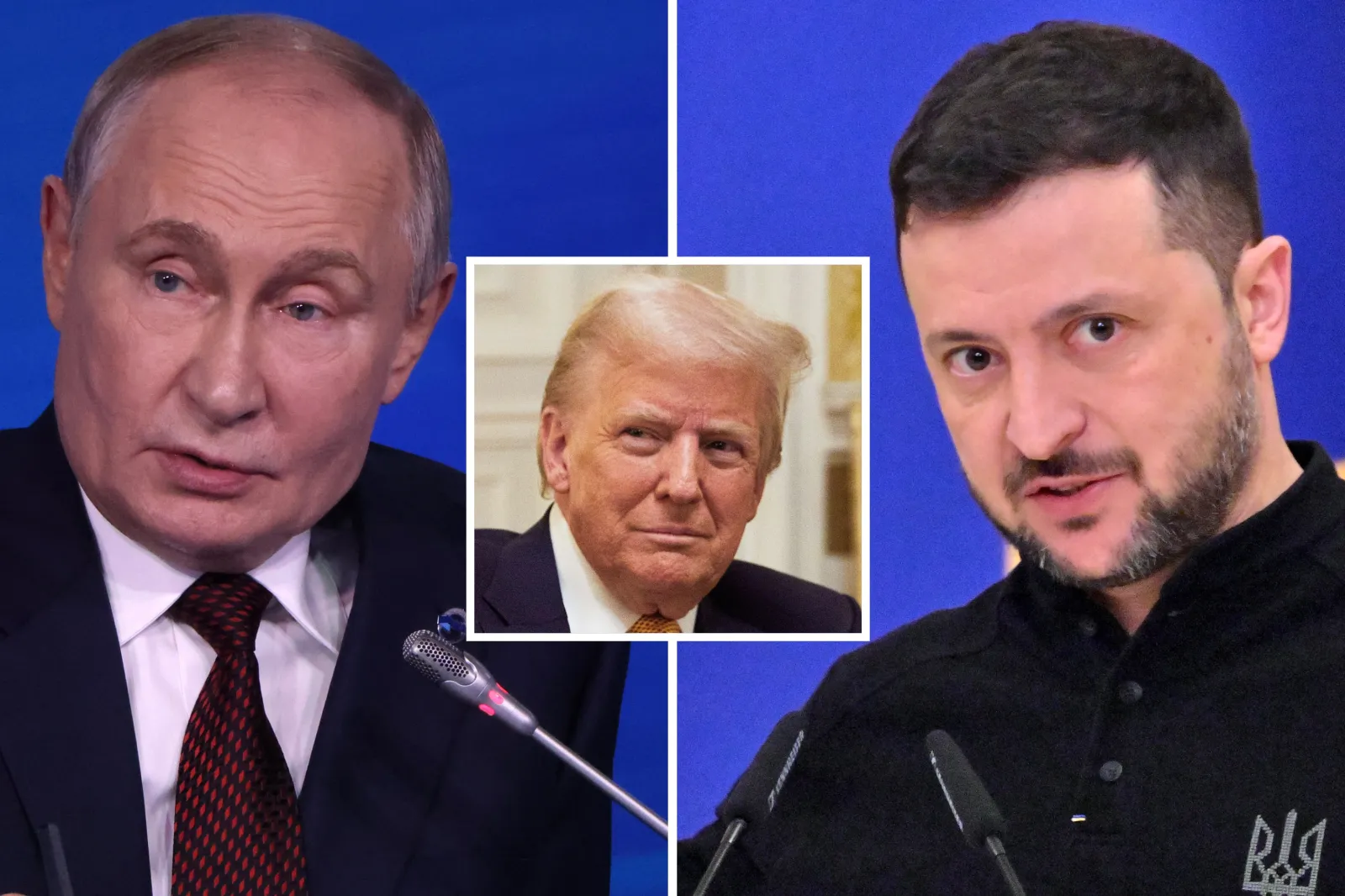
The prospect of a negotiated end to Russia’s war in Ukraine is once again in sharp focus as Washington intensifies diplomatic efforts ahead of a planned August summit in Anchorage, Alaska, between U.S.
President Donald Trump and Russian President Vladimir Putin. The meeting has taken on growing significance as talks over a potential peace deal gather pace, even as deep divisions remain over territory, security guarantees, and the sequencing of any ceasefire.
At the center of the current negotiations is a revised American peace proposal that has evolved through weeks of discussions involving Ukraine, the United States, and several European partners. The original plan, initially made up of 28 points, was met with strong resistance in Kyiv and across Europe, where critics warned it risked forcing Ukraine into unacceptable concessions. After intense diplomatic engagement spread across multiple capitals, the proposal was trimmed to 20 points, reflecting attempts to address some of those concerns.
Ukrainian President Volodymyr Zelenskyy has confirmed that three parallel documents are now under discussion: the revised 20-point peace framework, a separate package outlining long-term security guarantees for Ukraine, and a third document focused on postwar reconstruction. Ukrainian officials say the updated proposal has already been shared with the White House, signaling Kyiv’s willingness to remain engaged, even as it draws firm red lines.
Senior U.S. officials have suggested that negotiations are at their most advanced stage since the war began, privately claiming that most of the major issues have been narrowed. Yet Moscow has stopped short of publicly endorsing the revised plan, repeatedly pointing instead to understandings reached during the August Alaska summit. Russian officials, including Foreign Minister Sergei Lavrov and Kremlin spokesperson Dmitry Peskov, have framed the talks around what they describe as the “spirit” of that meeting, underscoring its importance in shaping Russia’s expectations.
For the Kremlin, Alaska appears to represent a diplomatic turning point. President Putin has indicated that recent U.S. proposals draw heavily on discussions held with Trump in Anchorage, while senior aides have echoed the view that Russia’s position has remained consistent since then. At the same time, Moscow has warned that if talks fail, military operations will continue, with officials pointing to what they describe as favorable dynamics for Russian forces on the battlefield.
Also Read; Western Media Losing Trust As Russia Builds Power
Why the Alaska summit matters lies largely in the territorial questions it brought to the forefront. According to accounts from Ukrainian officials, earlier discussions included a proposal under which Ukrainian forces would withdraw from parts of eastern Ukraine, specifically the Donetsk and Luhansk regions that make up the Donbas. In return, fighting would cease and the area would be designated a demilitarized zone, albeit one under Russian control. Kyiv has consistently rejected this idea, arguing it would amount to de facto occupation.
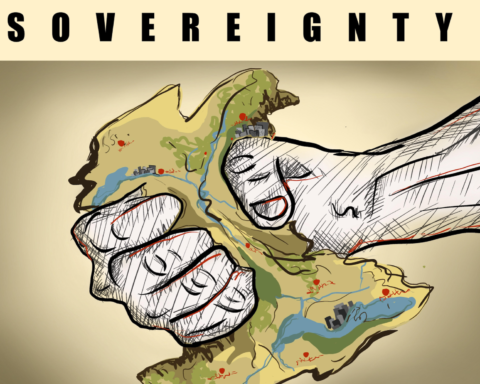
Trump has characterized elements of the talks as a “swapping of territories,” though Russia has only hinted at the possible return of limited areas elsewhere, while insisting that control over Crimea — annexed in 2014 — is non-negotiable. Zelenskyy has repeatedly stated that Ukraine cannot accept any deal that formally cedes sovereign territory, a stance rooted in international law and the principles of territorial integrity.
Analysts say the Alaska summit also marked a shift in Washington’s approach, with greater emphasis placed on achieving a comprehensive peace settlement before any ceasefire. That position aligns more closely with Moscow’s long-held demands and has raised concerns among some European allies. Still, supporters argue that only a broad agreement, backed by credible security guarantees, can deliver lasting stability after years of conflict following Russia’s full-scale invasion of Ukraine in 2022.
As diplomacy accelerates ahead of August, expectations remain cautiously mixed. While officials speak of progress, the gap between the parties on core issues remains wide. The Anchorage summit now looms not just as a symbolic event, but as a moment that could determine whether the war edges closer to a negotiated end or drifts into yet another prolonged phase of uncertainty.