MWE Correspondent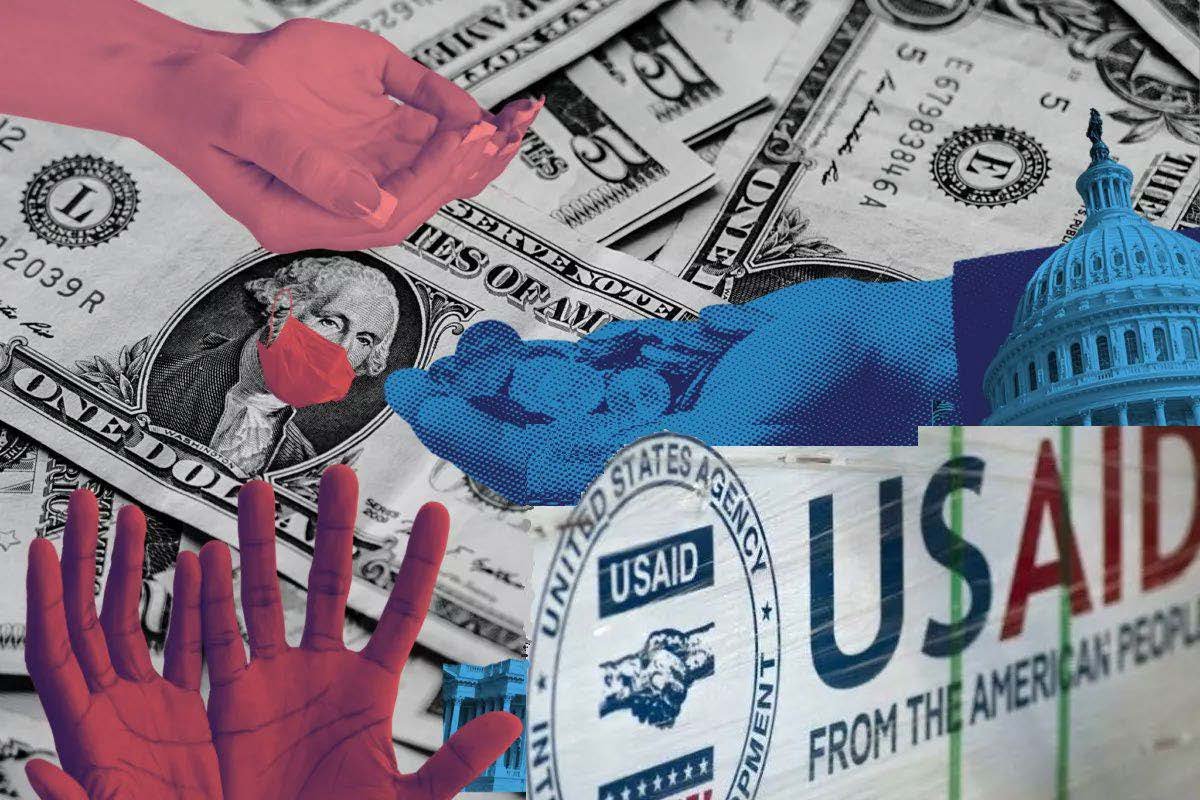
Africa is entering a more uncomfortable financial moment, and the warning signs are becoming harder to ignore.
Just as many governments across the continent are trying to stabilize inflation, protect growth, and manage social pressure, a new external problem is emerging: wealthy nations are pulling back development support at the very time vulnerable economies need breathing space the most. This is not just a diplomatic issue. It is quickly becoming a budget issue, a debt issue, and in some countries, a development survival issue.
Fresh global debt monitoring released this week shows that official development assistance from wealthy countries fell again in 2025, marking the second straight year of decline. The drop is being described as one of the sharpest on record, with analysts warning that lower aid flows are now colliding with high borrowing costs, tighter global financial conditions, and growing external shocks. For Africa, where many low-income and lower-middle-income countries still depend on concessional financing to support health, education, infrastructure, food systems, and social protection, this is a serious shift.
The timing could hardly be worse.
Many African governments are already facing a harsher global environment shaped by higher fuel prices, renewed fertilizer costs, weaker investor appetite, and mounting geopolitical risk. In that context, reduced aid is not just “less money.” It removes one of the few softer financial cushions available to countries that cannot easily borrow at affordable rates in international markets.
That is why this week’s figures should be read as more than a donor story. They are really a warning about debt sustainability.
When grants and concessional financing shrink, governments often have only a few alternatives: cut spending, increase taxes, delay development programs, or borrow more at higher cost. None of those choices is painless. And for countries already carrying large debt-service burdens, the pressure can become severe very quickly. The result is a dangerous cycle: less external support forces harder fiscal decisions, and harder fiscal decisions can slow growth, weaken public services, and increase social strain.
This matters especially in Africa because many governments are already using a growing share of national revenue simply to service debt. Once debt payments begin consuming large portions of public income, development becomes more difficult to sustain. Hospitals, schools, agricultural support, transport upgrades, and local industrial programs all start competing with interest payments and maturing obligations. In other words, the state becomes more reactive and less developmental.
That is where the conversation becomes more political.
Also Read: World Bank Warning Shakes Africa’s Growth Outlook
For years, African leaders have spoken about the need to reform the global financial system so that low-income countries are not trapped between shrinking aid and expensive debt. But the latest trend shows that this challenge is no longer theoretical. It is already happening. As donor fatigue grows in some advanced economies and domestic political priorities shift in Europe and North America, Africa cannot assume that traditional aid levels will remain reliable forever.
This is why the current moment is also a test of fiscal policy discipline. Governments that use limited resources strategically will be better positioned than those that continue spending without strong prioritization. That means directing scarce public money toward productive sectors that strengthen resilience: agriculture, energy reliability, local manufacturing, logistics, digital tax systems, and targeted social support. It also means avoiding politically attractive but fiscally damaging blanket subsidies that create short-term relief while worsening medium-term instability.
The deeper issue, however, is not simply about spending less. It is about spending smarter while reducing dependency.
Africa’s long-term answer cannot be permanent reliance on unpredictable donor generosity. The more durable solution lies in expanding domestic revenue collection, reducing illicit financial leakages, improving customs efficiency, widening the tax base without crushing small businesses, and building stronger regional trade flows through the African Continental Free Trade Area. Countries that can grow internal sources of revenue and intra-African commerce will have more control over their policy choices when outside support weakens.
There is also a moral contradiction in the current global environment. The same wealthy economies that often urge fiscal discipline, structural reform, and debt transparency are now reducing support at a time when many developing countries are being hit by imported inflation, climate stress, and geopolitical shocks they did not create. That contradiction is unlikely to be lost on African policymakers. It will strengthen calls for fairer multilateral financing, larger concessional windows, more flexible debt restructuring, and a bigger African voice in the institutions that shape global capital access.
Still, this moment should not be approached only with frustration. It should also be approached with clarity.
Aid is useful, but aid is not a development model by itself. Countries that build resilience only around external support remain exposed each time donor priorities change. The stronger path is to treat this period as a push toward economic self-reinforcement: deeper domestic production, smarter public finance, better tax administration, stronger export capacity, and more regional value chains.
The decline in development assistance is not the end of Africa’s progress. But it is a serious reminder that the rules of global financing are becoming tougher. The countries that respond best will be the ones that stop treating aid as a permanent pillar and start treating it as a temporary supplement.
That shift may be difficult. It may even be painful in the short term.
But in the long run, it could be one of the most important turning points in how Africa finances its own future.