MWE Correspondent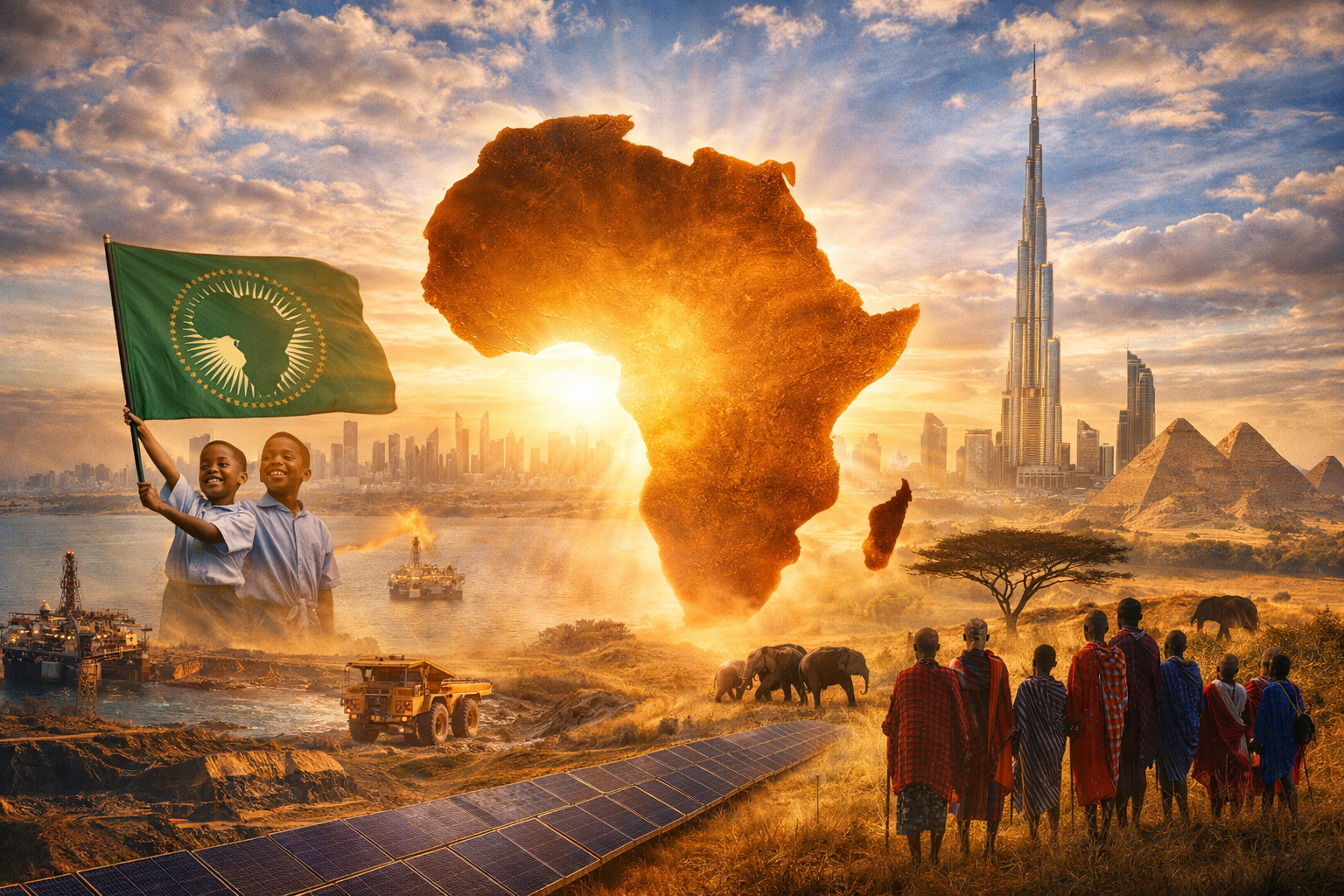
A bold declaration by Duma Boko is continuing to echo across global political and economic conversations, long after it was first delivered at the World Governments Summit in Dubai.
In a speech that blended confidence with conviction, the Botswana leader laid out a vision that places Africa at the center of future global power.
“Africa will rule the world,” he said, unapologetically and with emphasis, framing the statement not as ambition but as inevitability. The message struck a chord far beyond the conference halls, quickly spreading across digital platforms, policy discussions, and academic debates.
At the heart of this vision lies a powerful demographic reality. Africa is home to the youngest population in the world, with millions entering the workforce each year. Economists and development experts have long pointed to this trend as a potential game-changer. If properly harnessed, the continent’s youthful energy could transform industries, drive innovation, and reshape global markets.
President Boko’s remarks also touched on a deeper historical context—one rooted in centuries of external influence and resource extraction. Africa, rich in natural wealth from minerals to agriculture, has often seen its resources benefit external powers more than its own people. Today, however, there is a growing call for change. The concept of Pan-Africanism—which promotes unity, self-reliance, and collective progress across the continent—is gaining renewed momentum among leaders, thinkers, and young citizens alike.
Supporters of Boko’s statement see it as more than rhetoric. They view it as a rallying call for a continent ready to redefine its role in the global order. Across sectors such as technology, finance, and renewable energy, African countries are beginning to assert themselves in ways that were once unimaginable. Cities like Lagos, Nairobi, and Kigali are emerging as innovation hubs, attracting investment and talent from around the world.
Yet, the path forward is not without challenges. Issues such as governance, infrastructure gaps, and economic inequality remain significant hurdles. Critics argue that while the vision is inspiring, achieving it will require sustained reforms, regional cooperation, and long-term strategic planning. The journey from potential to power, they note, is complex and demands more than optimism.
Also Read; Congo Launches Special Court to Fight Corruption
Still, there are signs that the global balance is already shifting. The influence of emerging economies, the rise of digital connectivity, and the increasing importance of untapped markets have all contributed to a changing landscape. Within this context, Africa’s role is being re-evaluated—not as a passive participant, but as an active force shaping the future.
What makes this moment particularly significant is the growing confidence within the continent itself. A new generation of Africans is challenging old narratives, building businesses, driving social change, and demanding accountability from leadership. This internal momentum may ultimately prove to be the most decisive factor in determining Africa’s trajectory.
President Boko’s words, whether seen as visionary or ambitious, have undeniably sparked a global conversation. They raise a fundamental question: what happens when a continent long viewed through the lens of potential begins to fully realize it?
The answer may not come overnight. But as demographic trends, economic shifts, and political voices align, one thing becomes increasingly clear—Africa is no longer waiting for its moment. It is preparing to define it.