MWE Correspondent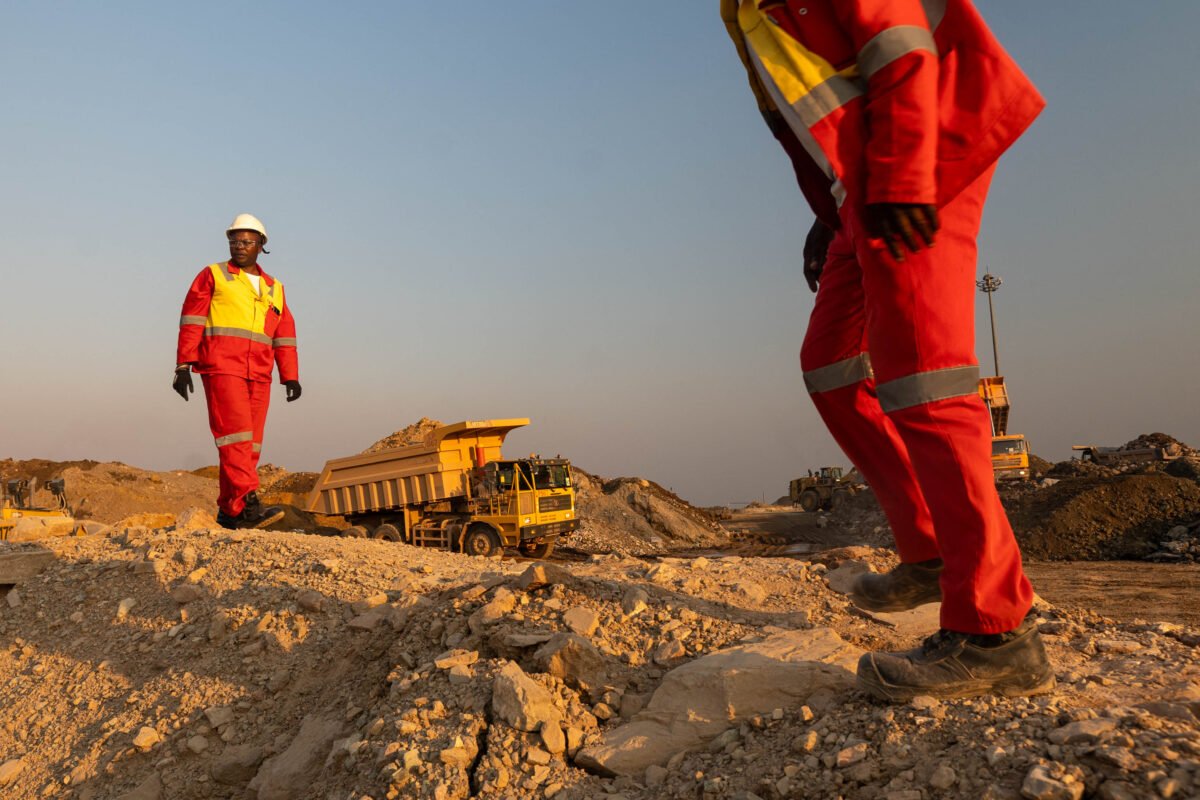
Africa’s vast reserves of critical minerals have once again placed the continent at the heart of global power politics, as major world economies intensify competition to secure supplies essential for the green energy transition and advanced manufacturing.
Demand for cobalt, lithium, copper and rare earth elements has surged in recent years, driven by the rapid expansion of electric vehicles, renewable energy systems and defense technologies. Countries such as the Democratic Republic of the Congo, Zambia and Namibia hold some of the world’s most valuable deposits, positioning Africa as a strategic pillar in the global supply chain.
China has maintained a dominant presence in African mining for over two decades, investing heavily in extraction, processing and infrastructure. Through state-backed companies and long-term bilateral agreements, Beijing has secured access to significant cobalt and copper resources, particularly in Central Africa. Chinese-backed rail and port projects have further strengthened export routes linking African mines to Asian processing facilities.
In response, Western nations have stepped up engagement across the continent. The United States and European partners are supporting new transport corridors, including the Lobito Corridor linking mineral-rich regions to the Atlantic coast. Western policymakers argue that diversifying supply chains will reduce overreliance on any single power and promote transparency in mineral sourcing.
Also Read: BRICS Expansion Drives New Global Financial Order
The competition reflects a broader geopolitical shift shaped by the global push toward decarbonization. According to projections by the International Energy Agency, demand for key minerals used in clean energy technologies could multiply several times over the next decade. This surge has elevated resource security to a national priority in both Washington and Beijing.
Yet for African governments, the renewed scramble presents both opportunity and risk. Foreign direct investment promises infrastructure, employment and fiscal revenues. However, critics warn that without robust regulatory frameworks and local value addition, mineral-rich nations may continue exporting raw materials while importing finished products at higher cost.
Environmental concerns also loom large. Intensive mining operations have raised questions about land degradation, water pollution and community displacement. Balancing economic growth with environmental stewardship remains a pressing challenge for policymakers.
Some African leaders are signaling a shift toward stronger control over strategic resources. Policies encouraging domestic processing and partial state ownership aim to increase local benefits. Regional cooperation frameworks, including initiatives under the African Union, are also exploring collective bargaining strategies to strengthen negotiating power.
As global demand accelerates, Africa’s role in the world economy is becoming more decisive. Whether this new era of mineral competition translates into sustainable development or replicates historical patterns of extraction will depend largely on governance, transparency and strategic foresight across the continent.