MWE Correspondent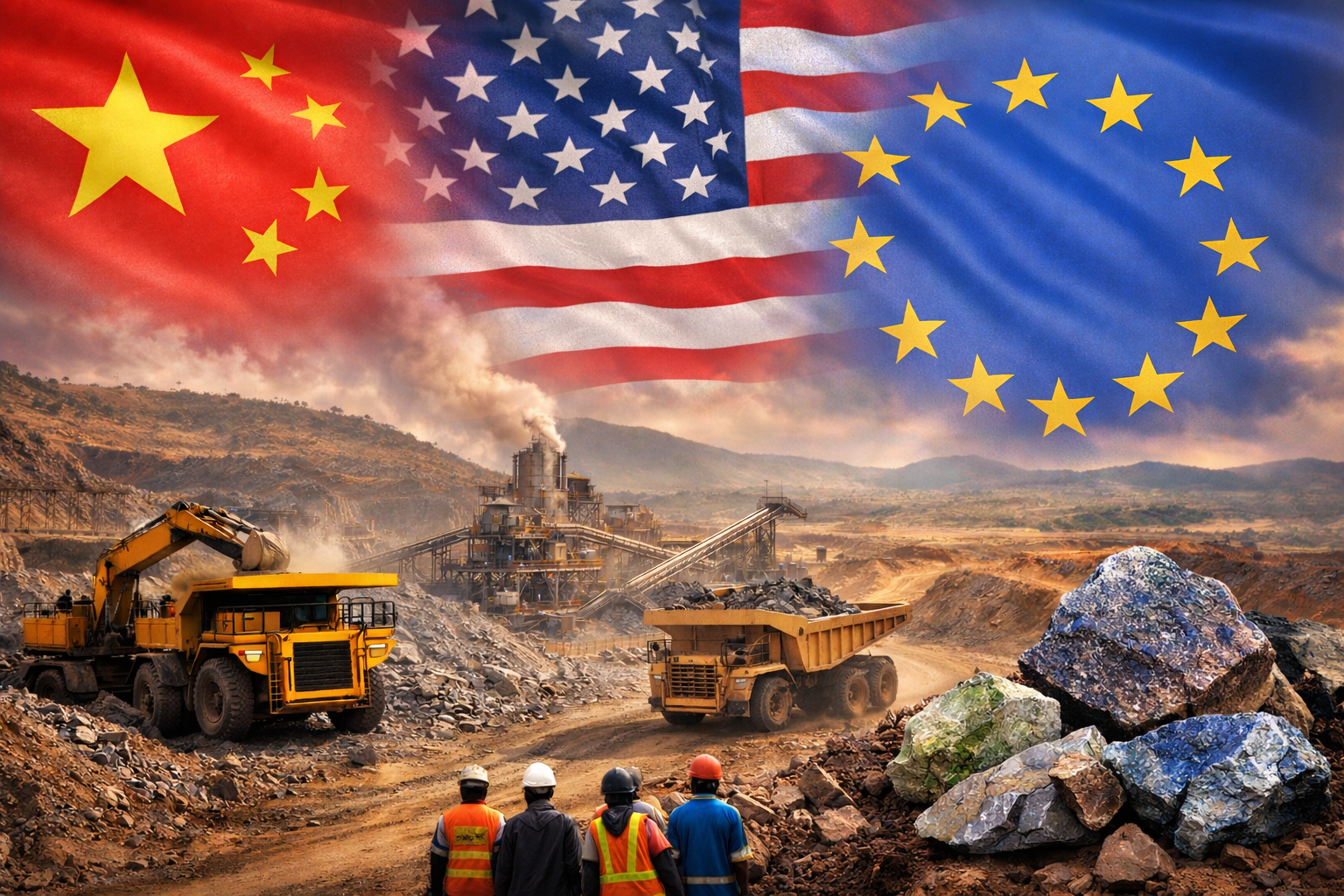
African nations are increasingly at the center of a growing geopolitical struggle as Western powers and China compete for access to strategic minerals crucial to the global energy transition and high‑technology industries.
With key developments unfolding this year, the continent’s vast reserves of critical minerals — including lithium, cobalt, copper and rare earth elements — are reshaping economic and political dynamics.
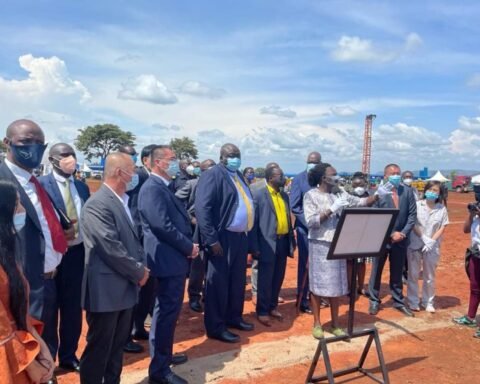
At the forefront of this competition is the Democratic Republic of Congo (DRC), home to some of the world’s richest deposits of lithium and cobalt. In a major recent development, Chinese state‑linked Zijin Mining announced that it will begin the first commercial lithium output in the country in June 2026 from the vast Manono deposit, a project that positions China squarely in control of a strategic supply of battery metals.
The Manono project, a $1 billion venture jointly held with the Congolese state miner Cominière, marks a significant step in Beijing’s efforts to secure direct access to the raw materials needed for electric vehicle batteries and renewable energy technologies. Production at Manono follows a reassignment of mining rights from an Australian firm, a shift that has sparked legal and arbitration challenges but underscores the imperative of securing supply in an increasingly contested market.
Western governments, notably the United States and the European Union, are responding by strengthening diplomatic and commercial ties with African resource producers. Alongside targeted financing and trade frameworks, initiatives such as expanded mineral cooperation agreements aim to diversify supply chains and reduce Western dependency on Chinese‑linked producers. The DRC government has publicly stated that, should existing frameworks with the United States fail to yield substantive project commitments, it is prepared to seek alternative partnerships to harness its resource wealth fairly and independently.
Also Read; Ukraine War Reshapes Global Alliances and Diplomacy
The scramble for these critical minerals comes amid rising global demand. Analysts forecast that the world’s need for rare earth elements and associated metals could triple by 2035 as renewable energy deployment and electrification of transport accelerate. African nations particularly rich in these resources, including South Africa, Tanzania and Mozambique, are expanding exploration campaigns that could see the continent capture an increasing share of global output.
However, this geopolitical competition presents significant challenges. Critics warn that without strong governance, transparent contract terms and sustainable environmental safeguards, African nations risk falling into patterns of neocolonial exploitation in which foreign capital extracts value while contributions to local economies remain limited. Civil society groups in the DRC and other countries have raised concerns about mineral deals that could prioritize foreign interests over national development.
Environmental considerations also loom large. Mining for lithium, rare earths and cobalt can have profound impacts on water systems, biodiversity and community livelihoods if not managed responsibly — a concern amplified by the rapid pace of investment and extraction planning.
To ensure that Africa’s resource wealth translates into long‑term prosperity, experts say governments must focus on refining and processing capacities within the continent, strengthen legal frameworks governing foreign investment and negotiate agreements that deliver equitable returns.