MWE Correspondent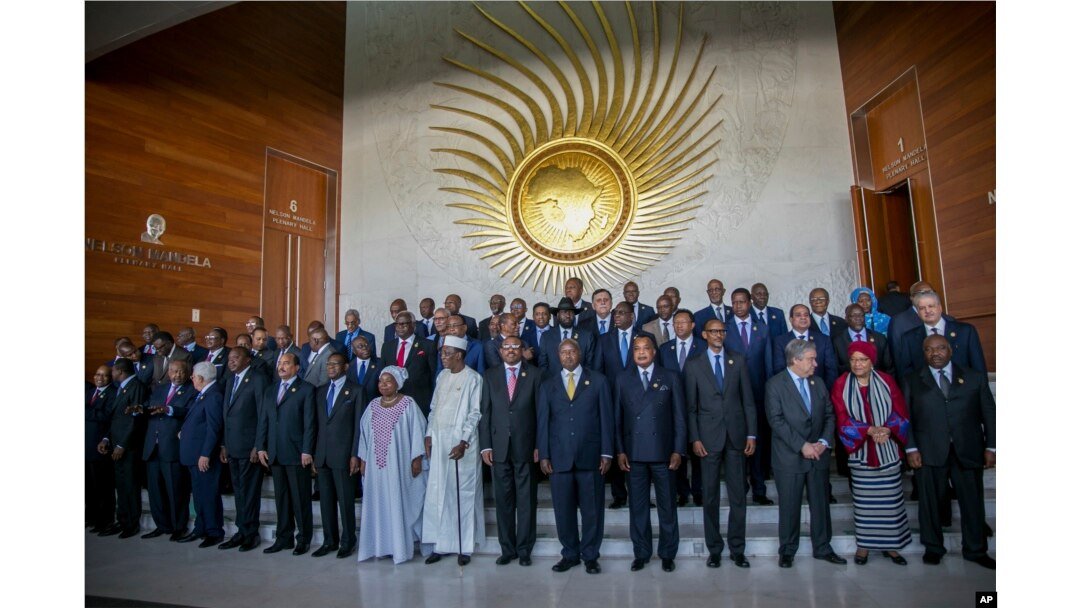
Calls for reform of the International Criminal Court (ICC) are gaining renewed momentum across Africa, as policymakers argue that global justice mechanisms must evolve to reflect fairness, balance, and respect for national sovereignty.
During recent diplomatic consultations in Addis Ababa and regional parliamentary forums, legal experts and government representatives emphasized the need for structural reforms within the ICC system. While reaffirming commitment to accountability for grave crimes, several African officials expressed concern over what they describe as uneven application of international justice.
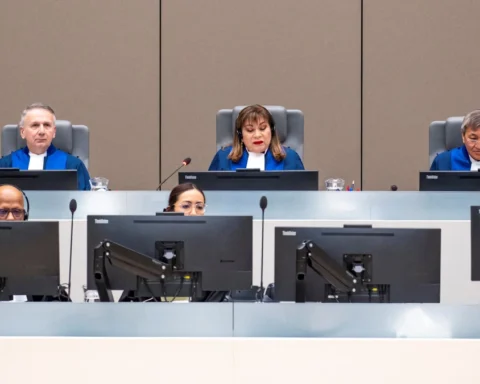
The ICC, established under the Rome Statute, operates on the principle of complementarity — stepping in only when domestic courts are unwilling or unable to prosecute serious international crimes. However, critics within parts of Africa argue that geopolitical dynamics sometimes influence prosecutorial priorities.
The debate has intensified amid broader global tensions, including ongoing conflicts in Europe and the Middle East. Some African lawmakers have questioned whether international legal standards are applied consistently across regions, pointing to disparities in political response and enforcement mechanisms.
At the continental level, the African Union has previously advocated for stronger regional judicial institutions, including support for the African Court of Justice and Human Rights. Supporters argue that strengthening African-led legal mechanisms could enhance ownership of justice processes while maintaining international cooperation.
Human rights organizations caution that reform discussions must not weaken accountability frameworks. They stress that victims of war crimes, genocide, and crimes against humanity rely on international institutions when domestic systems fail.
The current reform push focuses on several key areas:
- Greater transparency in prosecutorial decision-making
- More equitable geographic representation in court leadership
- Stronger collaboration between the ICC and regional courts
- Safeguards to ensure impartial investigations
Legal scholars note that reform is a long-term process requiring consensus among state parties to the Rome Statute. Amendments to ICC procedures demand diplomatic coordination and sustained engagement.
For African governments, the central question is how to balance sovereignty with global legal obligations. Many officials maintain that justice must not be politicized, and that reform efforts aim to strengthen — not undermine — international accountability.
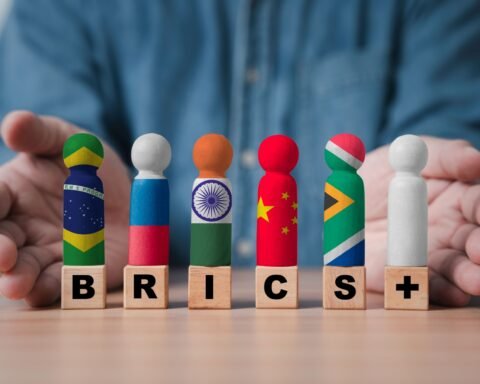
The renewed debate reflects a broader global shift toward multipolar governance, where emerging powers are seeking greater voice in international institutions established in earlier eras.