MWE Correspondent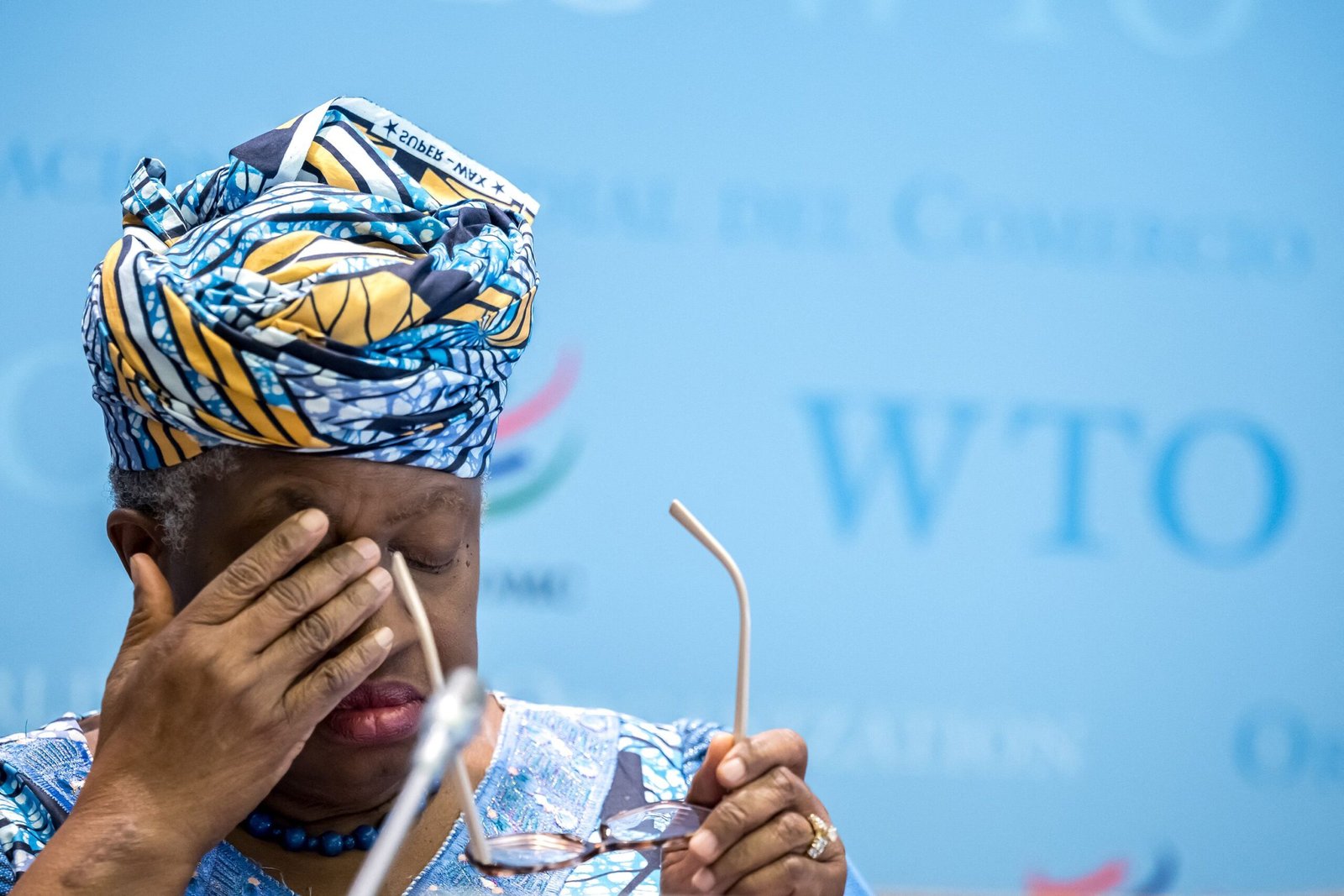
Policymakers and trade experts across Africa are increasingly raising concerns about whether existing global trade rules genuinely support the continent’s development, as discussions heat up ahead of critical negotiations at the World Trade Organization (WTO).
At the heart of these debates is a growing perception that the global trading system—though framed as rules-based and neutral—continues to produce uneven outcomes between developed and developing economies. For many African countries, the concern is less about participating in global trade and more about the conditions under which that participation occurs.
Agriculture remains one of the most contested sectors. While WTO frameworks encourage market liberalization, major economies such as the United States and members of the European Union continue to provide substantial subsidies to their farmers. African producers, often operating with minimal state support, struggle to compete with lower-priced imports.
“This is not simply a matter of competitiveness,” said an East African trade policy analyst. “It is a structural issue. You cannot ask countries to liberalize while others maintain protection through subsidies.”
The imbalance has significant implications for food security and rural incomes, particularly in economies where agriculture employs a large proportion of the population. Analysts warn that without adjustments, local production risks being displaced by imports, undermining long-term resilience and economic stability.
Also Read; “Africa Faces Fuel Crunch Amid Supply Disruptions”
Beyond agriculture, digital trade is emerging as a major concern. Proposals to maintain a global moratorium on tariffs for electronic transmissions—originally designed to encourage e-commerce—are now being re-examined by several developing nations. African governments argue that such restrictions could limit their ability to generate revenue from the continent’s rapidly expanding digital economy.
“Digital trade is where future value lies,” said a Nairobi-based technology policy expert. “If African countries cannot tax or regulate this space, they risk locking themselves into consumption roles rather than production.”
Simultaneously, new standards related to climate and sustainability are reshaping access to global markets. While African nations broadly support environmental goals, the cost of compliance—including certification systems and traceability requirements—can be substantial. Smaller exporters, in particular, face barriers that may reduce competitiveness.
Trade officials caution that without sufficient financial and technical support, such measures may act as indirect trade restrictions. “We support sustainability,” one negotiator noted. “But the transition must be fair. Otherwise, it becomes exclusionary.”
These concerns are contributing to a broader reassessment of Africa’s trade strategy. The African Continental Free Trade Area (AfCFTA) is increasingly being seen as a platform to strengthen intra-African trade and reduce dependence on external markets. Currently, trade within Africa accounts for a relatively small share of total trade compared to regions such as Europe and Asia.
By expanding regional value chains, policymakers hope to shift from a model based primarily on raw material exports to one focused on value addition and industrialization. This includes processing agricultural products, building manufacturing capacity, and investing in emerging sectors such as digital services.
“The question is no longer whether Africa should trade globally,” said a regional economist. “It is how Africa can trade on terms that support its development.”
Calls for reform are also focusing on the need for greater policy space within the WTO framework. African countries argue they require flexibility to implement industrial policies, support emerging sectors, and respond to domestic economic conditions—tools that today’s advanced economies historically used during their own development phases.
As negotiations continue, African delegations are expected to push for a more balanced approach that recognizes the diverse needs of member states. While there is no fully unified position across the continent, there is increasing alignment on key issues, including agriculture, digital trade, and development policy.
For many observers, the outcome of these discussions will have long-term implications. The direction of global trade rules could determine whether African economies remain primarily suppliers of raw materials or transition toward more diversified and industrialized systems.
“The rules matter,” the East African analyst emphasized. “They shape not just trade flows, but the structure of entire economies.”
As global trade evolves, Africa’s challenge will be to engage constructively with the system while ensuring its development priorities remain central to every conversation.