MWE Correspondent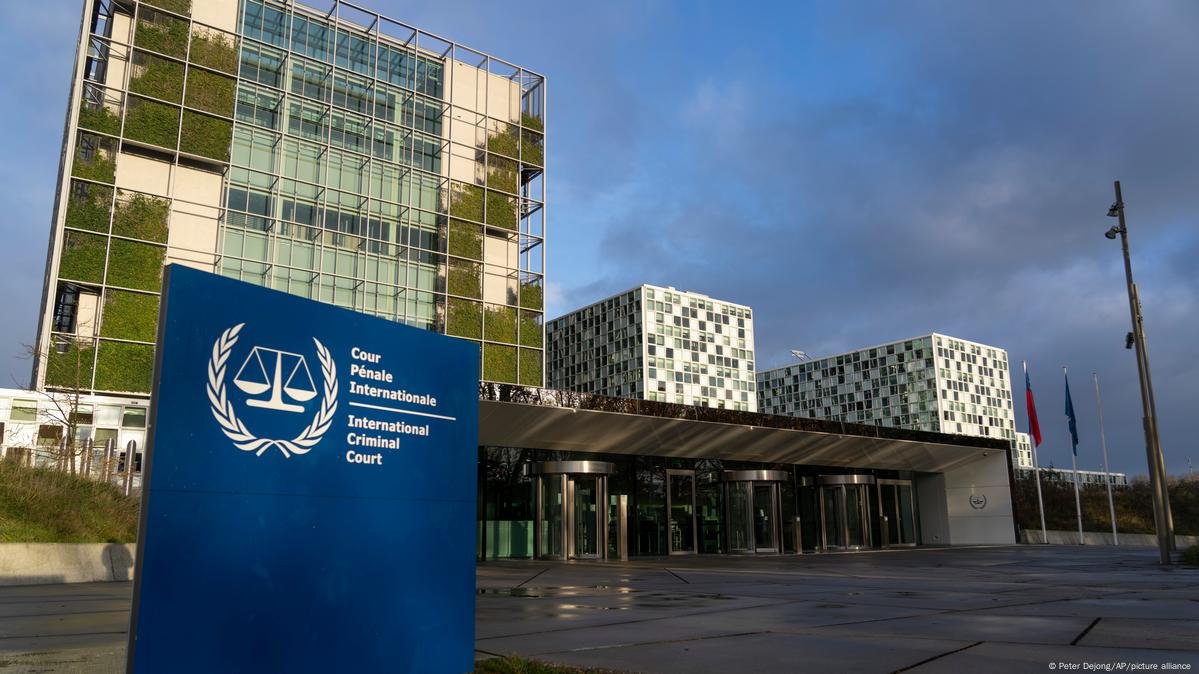
A significant shift is underway across Africa as governments, legal experts and policymakers intensify debate over the continent’s relationship with the International Criminal Court, raising fundamental questions about sovereignty, fairness and the future of global justice.
For more than two decades, the court, headquartered in The Hague, has symbolized the international community’s commitment to holding individuals accountable for genocide, war crimes and crimes against humanity. Many African nations were among its strongest early supporters, signing and ratifying the Rome Statute, the legal foundation that established the world’s first permanent international criminal tribunal.
Today, however, the tone of the conversation is changing.
African leaders and regional institutions are increasingly questioning whether international justice is applied equally across all regions. Critics argue that global legal systems must reflect fairness, balance and respect for national sovereignty, especially as African countries expand their political influence and strengthen domestic institutions.
The African Union has played a central role in shaping this discussion. Officials within the continental bloc have emphasized the need for reforms that ensure international courts operate transparently and without political bias, while also respecting the authority of national judicial systems.
Legal analysts say the debate reflects Africa’s growing legal and institutional maturity.
“Africa today is very different from what it was twenty years ago,” said one regional law professor. “Many countries have invested heavily in judicial reforms, constitutional protections and legal training. There is greater confidence in national courts to handle complex and sensitive cases.”
Also Read; BRICS Expansion Reshapes Global Financial Landscape
This transformation has strengthened the ability of domestic courts to prosecute serious crimes, reducing reliance on external institutions. At the same time, experts caution that international courts still serve as essential safeguards, particularly in cases where national systems face political pressure or lack independence.
Human rights advocates warn that weakening global justice mechanisms could leave victims without recourse. For many affected communities, international courts have provided a pathway to justice when domestic options were unavailable.
The debate also reflects broader global shifts. Africa’s population, economic power and diplomatic influence have grown rapidly, giving the continent a stronger voice in international decision-making. Leaders say global institutions must evolve to reflect modern realities rather than historical power structures.
Diplomatic observers believe the outcome of this debate could reshape Africa’s engagement with international law for decades to come.
While no unified decision has been reached, one message is clear: Africa is redefining its role in global justice. Rather than simply participating, the continent is now actively influencing how international accountability systems function.