MWE Correspondent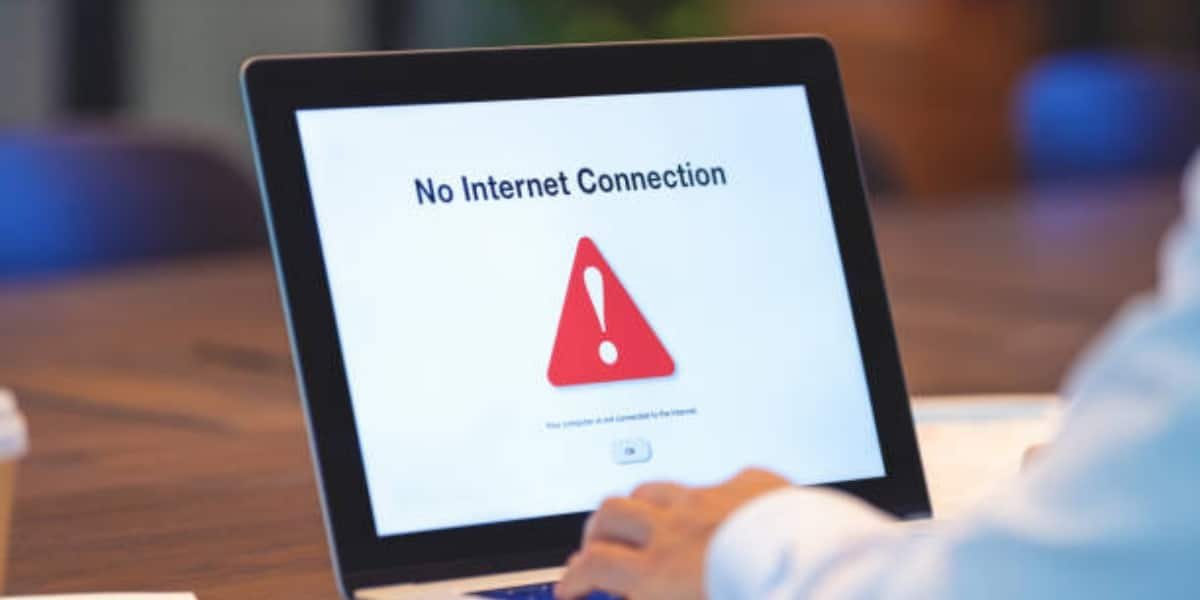
The use of internet shutdowns during elections is increasingly coming under fire across Africa, with political actors, governance experts, and human rights advocates warning that the practice risks weakening democratic institutions and eroding public confidence in electoral processes.
Across the continent, governments have repeatedly resorted to restricting or completely shutting down internet access during elections or moments of political tension. Countries such as Tanzania and Uganda have recently drawn attention for such measures, joining a longer list that includes Niger, Zambia, the Democratic Republic of Congo, Gabon, Zimbabwe, Ethiopia, Guinea, Chad, Mali, and Sudan. In many cases, authorities justify the disruptions as necessary for national security, but critics argue that the costs to democracy far outweigh the stated benefits.
In today’s digital age, the internet is no longer viewed as a privilege or a tool reserved for entertainment. It has evolved into critical infrastructure that supports daily life, governance, and civic participation. From accessing news to engaging in political debate, citizens increasingly rely on online platforms to stay informed and connected. During elections, this reliance becomes even more pronounced, as voters seek timely updates and clarity in an often fast-moving political environment.
Political analysts note that digital platforms have become essential to modern campaigns. Parties use them to communicate policies, mobilise supporters, and respond quickly to unfolding events. Journalists depend on online access to report from polling stations and share verified information with the public, while domestic and international observers use digital tools to track voting and counting processes. As a result, election monitoring has become closely linked to uninterrupted internet access.
When governments impose shutdowns, these channels are abruptly severed. Human rights organisations argue that such actions restrict freedom of expression and limit access to information, both of which are core democratic principles. They warn that information blackouts often create uncertainty, allowing rumours and misinformation to spread unchecked, potentially increasing tension rather than reducing it.
Recent election periods in East Africa have intensified scrutiny of the practice. Internet disruptions reported in Tanzania and Uganda sparked criticism from civil society groups and drew the attention of international observers, who questioned the impact of the shutdowns on transparency and public trust. Critics argue that when citizens are cut off from independent information sources, confidence in election outcomes is inevitably undermined.
Also Read; United States Suspends Immigrant Visa Processing Worldwide
The economic consequences are also significant. Digital businesses, online service providers, and informal traders who rely on mobile connectivity often suffer immediate losses during shutdowns. Experts caution that repeated disruptions can slow digital growth and weaken confidence among investors at a time when many African governments are promoting technology-driven development.
Legal scholars stress that while states have a responsibility to maintain order, any restriction on internet access should be lawful, proportionate, and subject to oversight. Blanket shutdowns, they argue, frequently violate digital rights protected under regional and international human rights frameworks.
As more African countries head toward elections, pressure is mounting on governments to rethink the use of internet restrictions. Civil society organisations are urging authorities to adopt alternative security measures that preserve stability without silencing millions of users.
The debate highlights a wider challenge facing democracies in the digital era. As technology becomes ever more central to political participation, decisions around internet governance are likely to shape not only election credibility but also the future of democratic engagement across the continent.