MWE Correspondent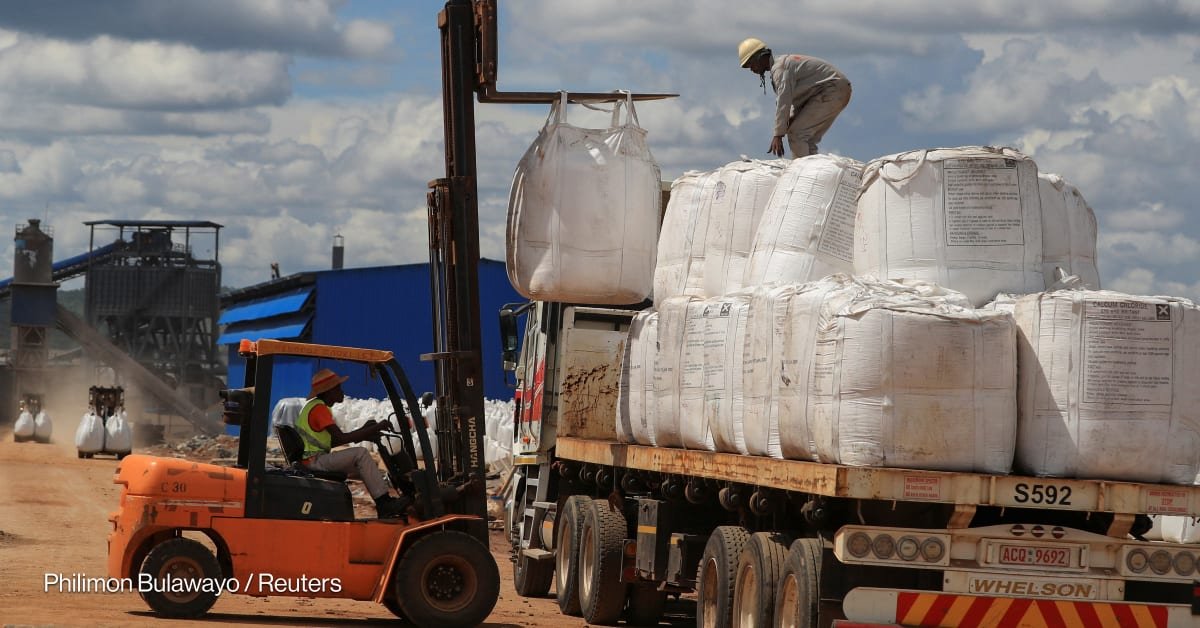
African governments are accelerating efforts to ensure that the continent’s vast mineral wealth translates into industrial growth and long-term economic transformation rather than continued dependence on raw exports.
Across Southern and West Africa, policymakers are prioritizing beneficiation — the process of refining and adding value to raw materials before export. For decades, Africa has exported unprocessed ores such as lithium, cobalt, and rare earth elements, only to import finished batteries, electronics, and manufactured goods at significantly higher prices.
At recent industry forums, leaders emphasized that local processing is central to reversing this imbalance. Countries including Zambia, Zimbabwe, Namibia, and Botswana are reviewing mining codes and industrial policies to promote domestic refining plants and battery manufacturing hubs.
The strategy aligns with broader continental frameworks such as the Agenda 2063 development blueprint under the African Union, which calls for industrialization and structural transformation of African economies. Officials argue that without value addition, Africa risks repeating historical patterns of extractive dependency.
Beyond economic growth, the shift is also about sovereignty. Control over processing capacity allows governments to negotiate stronger contracts, protect employment, and stabilize revenue flows. With global demand for electric vehicles and renewable energy technologies rising, African nations see an opportunity to move up the value chain rather than remain suppliers of low-margin raw materials.
Regional trade frameworks such as the African Continental Free Trade Area (AfCFTA) are expected to play a key role. By harmonizing trade policies and reducing tariffs within Africa, AfCFTA could support regional supply chains for battery manufacturing, mineral refining, and clean energy technology production.
However, challenges remain. Processing facilities require reliable electricity, transport infrastructure, technical expertise, and large capital investments. Some governments are negotiating partnerships with foreign investors, balancing the need for technology transfer with protection of national interests.
Environmental considerations are also central. Expanding mineral processing must comply with sustainable standards to prevent pollution and community displacement. Civil society groups are calling for transparent contracts and community benefit agreements to ensure that industrial expansion delivers inclusive growth.
Economists say the coming years will determine whether Africa successfully transforms its mineral wealth into industrial strength. If policies are implemented effectively, local processing could generate skilled jobs, expand export earnings, and reduce dependency on volatile commodity markets.