MWE Correspondent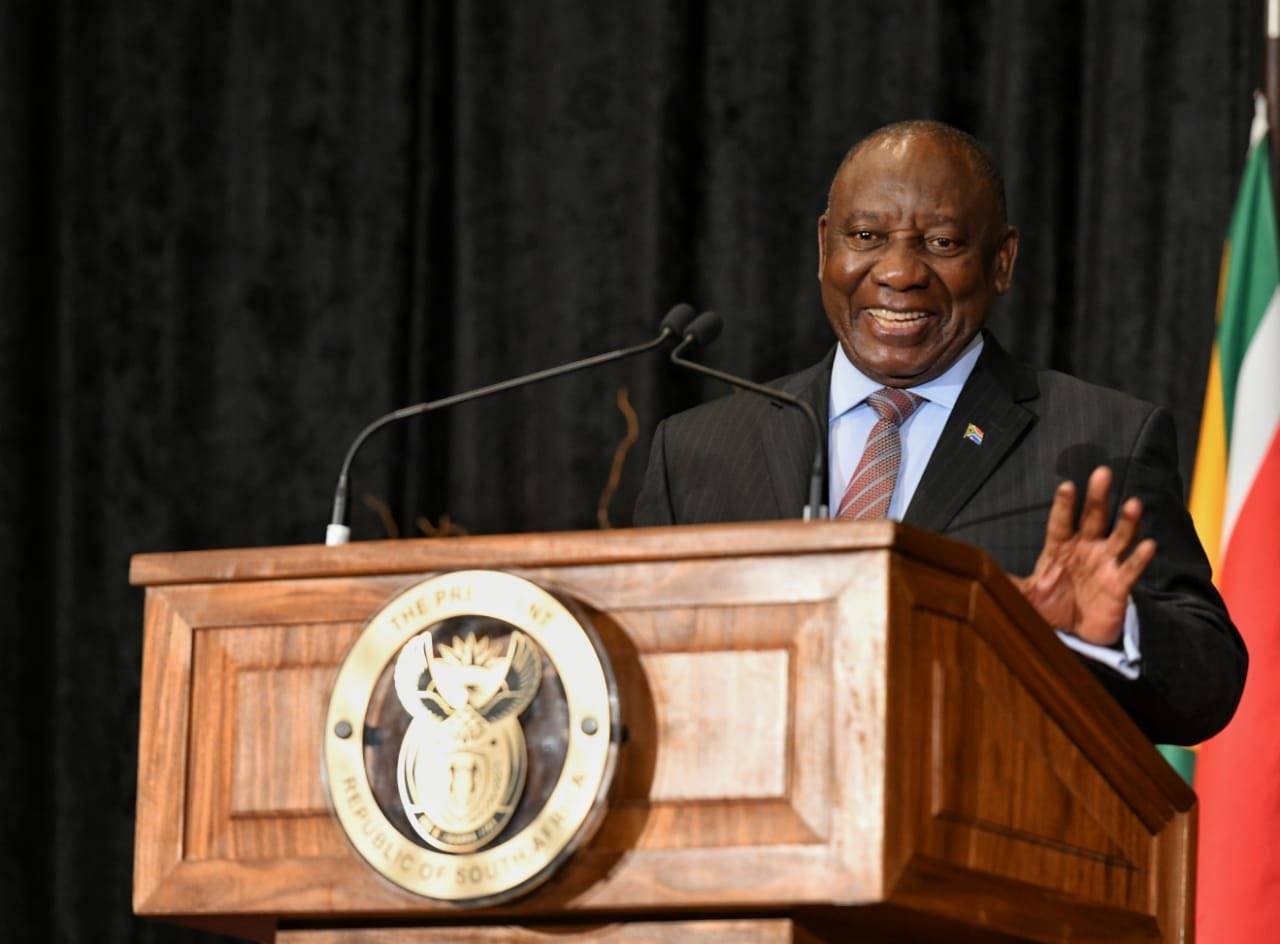
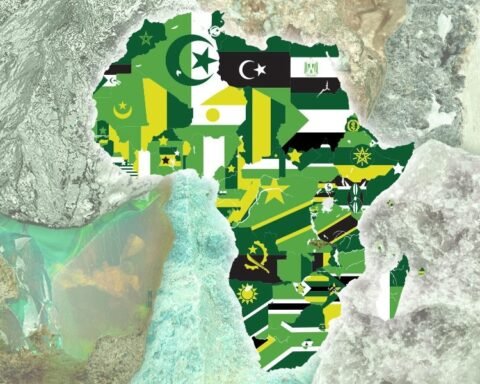
South African President Cyril Ramaphosa has warned that Africa continues to shoulder a disproportionate share of the global climate crisis, despite contributing only a small fraction to worldwide greenhouse gas emissions.
His remarks have renewed calls for greater accountability from major polluting nations and stronger international cooperation to address climate injustice.
Speaking at a sustainable development conference in Abu Dhabi, Ramaphosa said African countries are paying the highest price for climate change through extreme weather events, food insecurity, water shortages, and economic disruption. Yet, he noted, the continent’s contribution to global emissions remains among the lowest in the world.
“Africa is bearing the brunt of climate impacts it did not create,” Ramaphosa said, urging industrialized nations to accept greater responsibility for environmental damage and to accelerate support for vulnerable regions. He emphasized that climate change is no longer a future threat but a daily reality for millions across the continent.
The South African leader highlighted the growing frequency of droughts, floods, and heatwaves across Africa, which have devastated agriculture, displaced communities, and strained already fragile infrastructure. He argued that without urgent action, climate shocks could reverse decades of development gains and deepen inequality between rich and poor nations.
Ramaphosa’s comments come at a sensitive moment in global climate diplomacy. Just days earlier, the United States—one of the world’s largest historical contributors to greenhouse gas emissions—announced its withdrawal from a key international climate agreement. The move has drawn sharp criticism from environmental advocates and developing countries, who fear it could weaken global momentum to combat climate change.
Although Ramaphosa did not single out any country by name in his speech, he stressed that major polluters must lead by example. He called for stronger commitments to emission reductions, increased climate financing, and the transfer of clean technologies to developing nations. According to global climate data, Africa accounts for less than four percent of total global emissions, yet remains among the most vulnerable regions to climate-related disasters. These dynamics are widely discussed under climate change and its uneven global impacts.
Also Read; President Samia Calls for Justice, Integrity in Courts
The president also emphasized the importance of climate finance, arguing that promises made by wealthy nations must be translated into real, accessible funding. Many African countries, he said, lack the resources needed to adapt to climate impacts or transition to greener economies without international support. He warned that delays in funding not only slow progress but also erode trust between the Global North and South.
Environmental experts say Ramaphosa’s remarks reflect growing frustration among African leaders, who feel sidelined in global climate decision-making despite being on the front lines of the crisis. Rising sea levels threaten coastal cities, prolonged droughts are affecting food production, and unpredictable rainfall patterns are increasing the risk of conflict over scarce resources.
The conference in Abu Dhabi brought together policymakers, investors, and development experts to discuss pathways toward sustainable growth. Ramaphosa used the platform to argue that climate action and economic development must go hand in hand, particularly for developing regions. He said Africa is ready to pursue renewable energy and green industries but cannot do so alone.
As global climate talks continue, Ramaphosa’s message underscores a central tension in international negotiations: how to fairly share responsibility for a crisis driven largely by industrialized economies but felt most acutely in poorer regions. For Africa, the stakes are high, and leaders are increasingly vocal in demanding that climate justice move from rhetoric to reality.