MWE Correspondent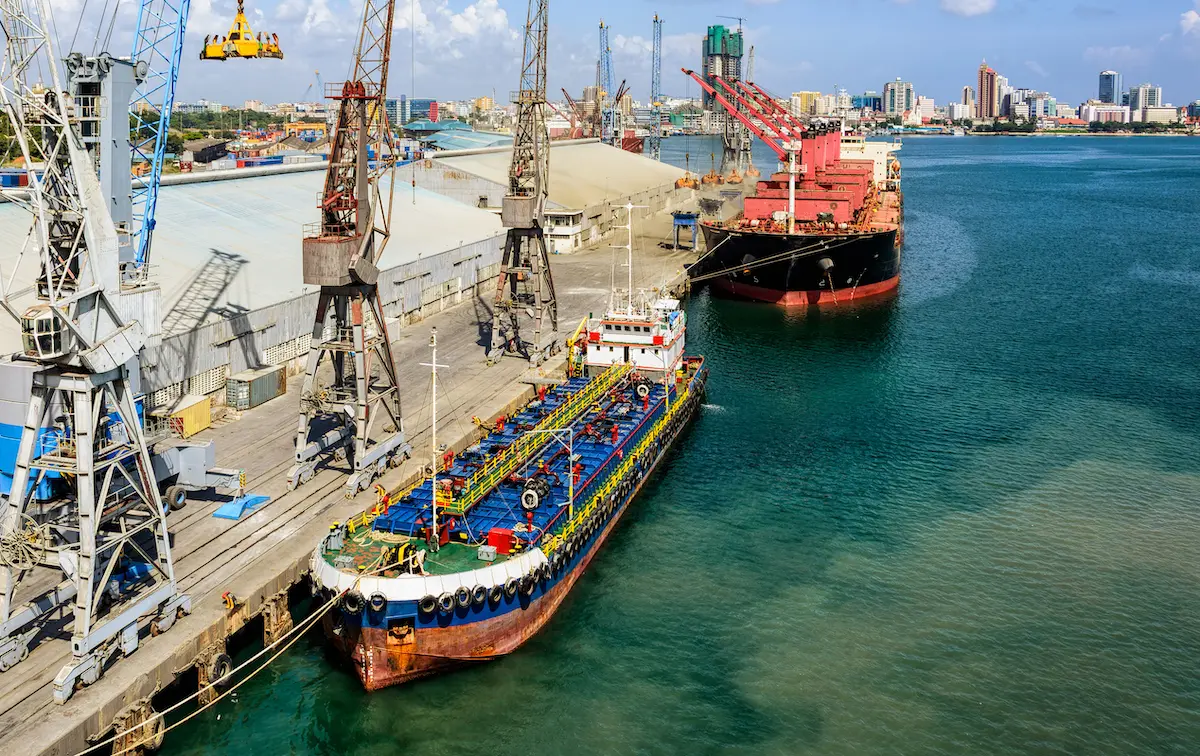
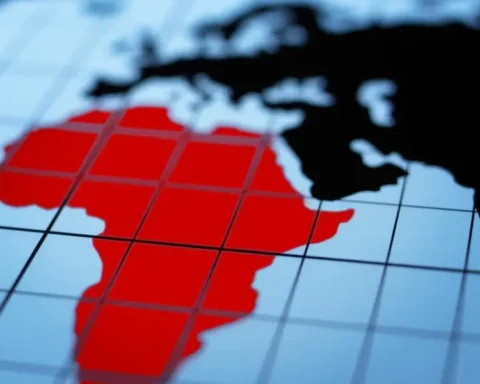
The African Continental Free Trade Area is increasingly being positioned by African leaders and economists as a transformative force capable of reshaping the continent’s economic future, particularly as confidence in global trade systems faces growing strain.
As debates intensify within the World Trade Organization, policymakers across Africa are turning inward, focusing on strengthening intra-African trade as a foundation for sustainable growth. Currently, trade within the continent accounts for only about 15 percent of total commerce—far below regions such as Europe and Asia, where intra-regional trade exceeds 60 percent.
For advocates, this gap highlights both a structural weakness and a significant opportunity. “Africa has historically traded more with the world than with itself,” said a West African trade economist. “AfCFTA is about reversing that pattern and building internal economic strength.”
Launched to create a unified market of more than 1.3 billion people, AfCFTA aims to facilitate the free movement of goods, services, and investment across African borders. By reducing tariffs and addressing non-tariff barriers, the agreement is expected to lower business costs, increase competitiveness, and stimulate cross-border trade.
However, beyond boosting trade volumes, AfCFTA is increasingly viewed as a catalyst for industrial transformation. Many African economies remain heavily dependent on exporting raw materials such as minerals, agricultural products, and energy resources—sectors that often capture only a fraction of the total value within global supply chains.
Also Read; Landmark Verdict Holds Tech Giants Accountable
“Exporting raw commodities is not enough,” said an industrial policy specialist based in East Africa. “The real gains come from processing, manufacturing, and moving up the value chain.”
Under the AfCFTA framework, countries are exploring ways to develop regional value chains in sectors including agriculture, textiles, pharmaceuticals, and automotive manufacturing. By processing goods closer to their source, African nations can retain more value, create employment opportunities, and reduce vulnerability to external shocks.
For instance, cocoa-producing countries have long exported raw beans while importing finished chocolate products at significantly higher prices. A similar pattern exists in cotton, where raw fiber is exported while finished garments are imported. Policymakers argue that AfCFTA provides a pathway to reverse this imbalance and promote industrial growth.
The agreement is also expected to benefit small and medium-sized enterprises (SMEs), which form the backbone of many African economies. By expanding market access and reducing regulatory fragmentation, AfCFTA could enable these businesses to scale operations beyond national borders.
“Regional integration can unlock opportunities for businesses that were previously limited by small domestic markets,” said a trade official involved in implementation efforts.
Despite its promise, challenges remain. Infrastructure deficits—particularly in transport, logistics, and energy—continue to hinder trade across the continent. Differences in regulatory systems and administrative procedures also pose barriers to smooth implementation.
Financing is another critical concern. Industrialization requires significant investment in manufacturing capacity, technology, and workforce development. Without adequate funding, progress toward value addition and economic diversification could be slowed.
There are also concerns about uneven benefits. More industrialized economies may initially gain more, potentially widening disparities between countries. Experts stress the need for coordinated policies to ensure inclusive growth and support less-developed economies.
Still, momentum behind AfCFTA continues to grow. Governments are aligning national development strategies with regional integration goals, while private sector interest is increasing as new opportunities emerge.
Analysts emphasize that AfCFTA is not intended to replace global trade engagement but to strengthen Africa’s position within it. By building a stronger internal market, the continent can enhance its bargaining power on the global stage.
As global trade dynamics continue to evolve, AfCFTA represents a strategic shift toward economic self-reliance and resilience. Its success will depend on effective implementation, sustained political commitment, and the ability to translate policy into tangible economic outcomes.
“The long-term goal is clear,” the industrial policy specialist concluded. “Africa must move from being a supplier of raw materials to a producer of value.”