MWE Correspondent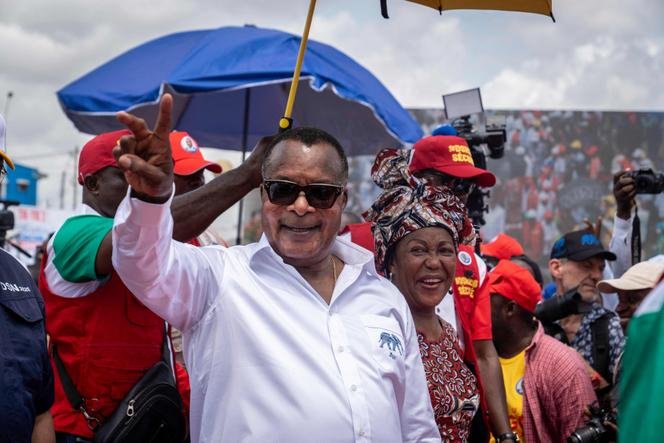
In the Republic of the Congo, a familiar political figure has once again secured his place at the top. Long-serving leader Denis Sassou Nguesso has been re-elected with a commanding 94.82 percent of the vote, according to official results released by state television.
The outcome extends his rule to more than four decades, making him one of the most enduring leaders on the African continent.
For many observers, the result did not come as a surprise. In the weeks leading up to the election, analysts and diplomats had already predicted a comfortable win for the 82-year-old president. The political atmosphere was largely shaped by the dominance of the ruling party, leaving little room for strong competition. Although six candidates appeared on the ballot, none were widely recognized figures capable of mounting a serious challenge.
What stood out even more was the absence of key opposition voices. Several major opposition parties chose not to participate, arguing that the electoral process lacked transparency and fairness. Prominent figures such as Jean-Marie Michel Mokoko and André Okombi Salissa—both once influential in national politics—have remained in detention for years, a situation that continues to draw criticism from both local and international observers.
In the days before the vote, reports from activists pointed to increased pressure on civil society. Some human rights advocates were reportedly detained, opposition activities faced restrictions, and public gatherings were closely watched. These developments contributed to a tense environment as the country approached election day.
When voting began, the process itself showed signs of strain. In parts of the capital, Brazzaville, some polling stations opened later than scheduled, while others saw very few voters throughout the day. Despite this, official figures put voter turnout at 84.65 percent nationwide. A temporary internet shutdown during the voting period also raised concerns, as it limited communication and made independent monitoring more difficult.
Also Read; Congo Launches Special Court to Fight Corruption
The closest competitor to the incumbent, Mabio Mavoungou Zinga, secured just 1.48 percent of the vote, underlining the vast gap between the sitting president and his challengers. The results, while decisive, have sparked renewed debate about the nature of political competition in the country.
Beyond the election itself, the outcome reflects a broader story about leadership and governance in the Republic of the Congo. Rich in natural resources, particularly oil, the country holds significant economic potential. However, critics argue that many citizens have yet to see the full benefits of that wealth in their daily lives.
As the nation enters another chapter under the same leadership, questions remain about political openness, institutional reforms, and the future direction of democracy. For some, the election represents stability and continuity. For others, it highlights the challenges of building a more inclusive political system.
What is clear is that this moment goes beyond a single victory. It speaks to a deeper conversation—one about power, participation, and the evolving expectations of citizens in a changing world.