MWE Correspondent
Africa processed 71.4 billion instant payment transactions worth approximately US$1.8 trillion in 2025, nearly three times the transaction volume recorded in 2021, highlighting the rapid expansion of digital financial services across the continent.
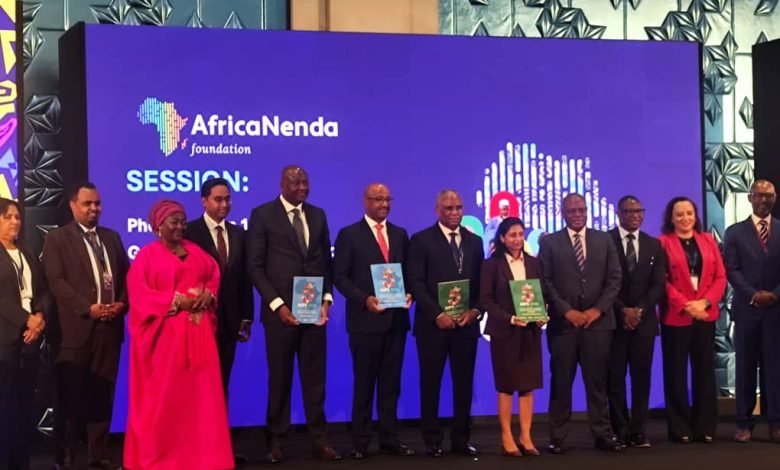
The figures are contained in the fifth edition of the State of Inclusive Instant Payment Systems in Africa (SIIPS) 2026 report, published by AfricaNenda Foundation in partnership with the United Nations Economic Commission for Africa (ECA) and the World Bank Group.
According to the report, Africa’s instant payment infrastructure has expanded significantly, with the number of operational inclusive instant payment systems increasing from 36 in 2025 to 39 in 2026.
The systems comprise 35 domestic platforms operating across 29 countries and four regional platforms covering 32 countries. Overall, 43 African countries now have access to instant payment services through domestic or regional infrastructure.
Four new domestic systems became operational over the past year in Liberia, Burundi, Guinea and Mauritania, while a new regional platform was introduced to serve the eight member states of the West African Economic and Monetary Union (WAEMU).
The report also indicates that another 17 countries are developing instant payment systems, suggesting further expansion of digital financial infrastructure across Africa.
Transaction volumes grew at an average annual rate of 28 per cent between 2021 and 2025, increasing from 26.4 billion transactions to 71.4 billion. However, the average transaction value declined from US$45 in 2021 to US$26 in 2025, indicating that digital payment platforms are increasingly being used for smaller, everyday transactions rather than mainly large transfers.
Mobile money platforms accounted for approximately 73 per cent of all instant payment transaction volumes, demonstrating their continued importance in expanding access to financial services, particularly among people who rely on mobile phones rather than traditional banking services.
Despite the expansion, the report identifies significant challenges affecting the adoption of digital payments, particularly consumer confidence, transaction failures and fraud protection.
A survey of 1,403 digital payment users across 15 African markets found that 55 per cent still use cash for approximately half of their transactions, despite the growing availability of instant payment services.
Also Read: Africa Must Develop Its Own Energy Solutions, Says Kemm
More than half of respondents also reported experiencing payment-related problems, including delayed transactions and transfers sent to incorrect recipients. The report further found that approximately one-third of users affected by such problems never reported them, mainly because they did not know how to seek assistance.
The findings suggest that expanding digital payment infrastructure alone is insufficient to guarantee widespread adoption, with reliable transactions, transparent confirmation messages, recipient verification and effective complaint-resolution mechanisms remaining essential to building public trust.
The report also highlights the economic opportunities associated with inclusive payment systems, including improved access to financial services such as credit through digital transaction records that can help demonstrate customers’ financial activity.
AfricaNenda Foundation Chief Executive Officer Robert Ochola said the continent had developed inclusive instant payment infrastructure at a remarkable pace, but emphasised the need to make the systems affordable, secure and sustainable.
The report recommends continued investment in payment infrastructure, stronger consumer protection and improved interoperability to enable individuals and businesses to transfer money more easily across different financial platforms and national borders.
The expansion of instant payment systems is also relevant to Africa’s broader regional integration ambitions, particularly efforts to facilitate cross-border trade, reduce payment barriers and strengthen financial connections under the African Continental Free Trade Area (AfCFTA).
As more African countries develop interconnected digital payment infrastructure, the continent has an opportunity to improve financial inclusion and make electronic transactions more accessible to individuals, small businesses and larger enterprises.