
 MWE Correspondent
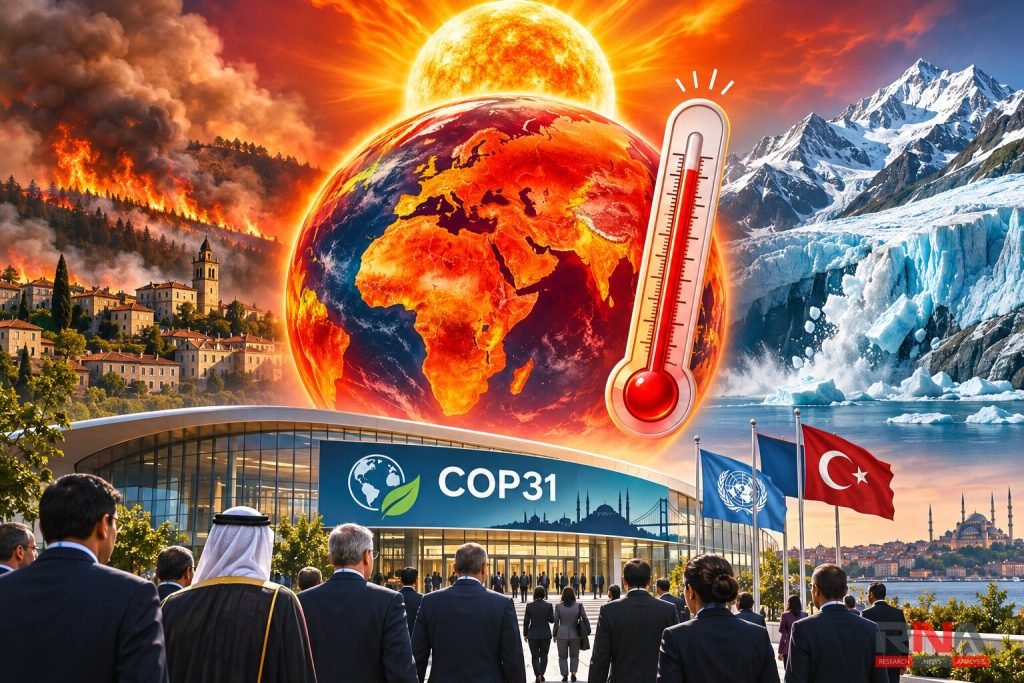
Scientists have warned that 2026 could become the hottest year ever recorded, as global temperatures continue to rise under the combined influence of climate change and the El Niño weather phenomenon.
The warning comes as world leaders gather in Türkiye for the opening of the 31st United Nations Climate Change Conference (COP31), amid growing concerns over the escalating impacts of global warming.
US-based independent climate research organisation Berkeley Earth has forecast a 95 per cent probability that 2026 will surpass the previous global temperature record set in 2024, despite two months remaining before the end of the year.
The projection highlights the growing intensity of global warming and the increasing frequency of extreme weather events, which scientists say are placing ecosystems, infrastructure and human populations under mounting pressure.
Recent months have witnessed severe climate-related incidents, including major wildfires across parts of Europe and the reported sudden collapse of a large perennial ice formation in Nepal, an incident said to have resulted in more than 1,000 deaths.
These developments have renewed concerns about the vulnerability of communities exposed to extreme temperatures, drought, melting ice and other climate-related hazards.
Also Read: TARURA Begins Construction of Kasu Health Centre Access Road
Dr Robert Rohde, a scientist at Berkeley Earth, said the succession of record-breaking temperatures was consistent with the expected consequences of continued global warming.
“We have had a series of record-breaking years. This is what we expect as global warming continues, including the collapse of large glaciers, record-breaking heatwaves and drought,” Rohde said.
Scientists have repeatedly warned that rising concentrations of greenhouse gases, particularly carbon dioxide from the burning of fossil fuels, are the primary long-term drivers of global temperature increases. Natural climate patterns such as El Niño can temporarily intensify warming by releasing additional heat into the atmosphere.
The potential record in 2026 comes amid renewed international efforts to strengthen climate action, reduce greenhouse gas emissions and mobilise financial resources for countries facing the consequences of climate change.
For developing countries, particularly across Africa, rising temperatures present serious challenges to agriculture, food security, water availability, public health and economic development. Many African economies remain highly dependent on rain-fed agriculture and are therefore particularly vulnerable to prolonged droughts, unpredictable rainfall and extreme heat.
The COP31 gathering provides an opportunity for governments to assess progress on previous climate commitments and address persistent disagreements over climate finance, adaptation support and the transition towards cleaner energy systems.
As temperatures continue to climb, scientists stress that reducing emissions and investing in climate resilience will be essential to limiting future warming and protecting vulnerable communities.