
 Agencies
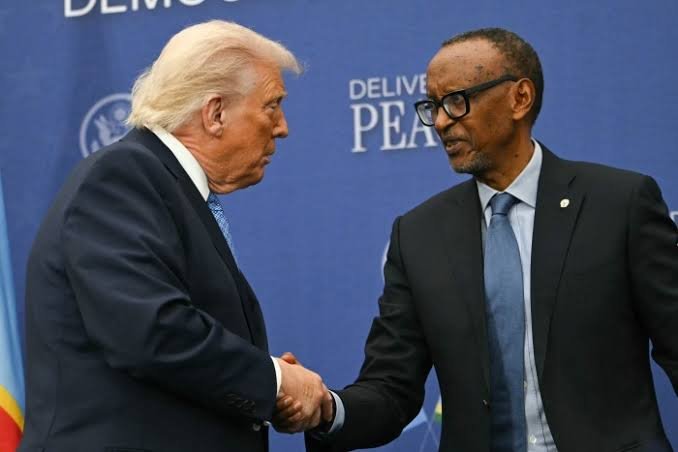
Rwandan President Paul Kagame maintained his country’s decision to phase out imports of second-hand clothes despite threats from the United States to withdraw trade benefits under the African Growth and Opportunity Act (AGOA), in a dispute that highlighted tensions over Africa’s efforts to protect local industries.
In June 2017, Kagame publicly defended Rwanda’s position, saying the country would proceed with its planned restrictions on imported second-hand clothing despite the possibility of losing preferential access to the American market.
The dispute escalated in 2018 when the administration of then US President Donald Trump suspended duty-free treatment for Rwandan apparel exports under AGOA, following Rwanda’s refusal to reverse its policy on used clothing and footwear.
The disagreement originated from a 2016 decision by East African Community (EAC) member states to gradually phase out imports of second-hand clothes and shoes as part of efforts to strengthen domestic textile and manufacturing industries.
Rwanda increased import duties on second-hand clothing from approximately 20 US cents to US$2.50 per kilogramme, seeking to discourage dependence on imported used garments and create opportunities for local manufacturers.
Also Read:Lavrov Warns Europe Against War With Russia
However, the United States argued that the restrictions disadvantaged its used-clothing industry and violated AGOA eligibility requirements, which require beneficiary countries to reduce barriers to American trade and investment.
Following a review, Washington announced in March 2018 that Rwanda was not making sufficient progress towards meeting the programme’s requirements. In July that year, the Trump administration formally suspended duty-free access for Rwandan apparel products.
Importantly, the suspension did not remove Rwanda entirely from AGOA. The country retained access to other non-apparel trade benefits under the programme.
While Kenya, Tanzania and Uganda adjusted their positions following pressure from Washington, Rwanda maintained its policy, arguing that protecting its emerging textile industry was important for long-term economic development.
The Rwandan government maintained that restricting second-hand clothing imports was intended to promote domestic production, encourage investment in garment manufacturing and create employment opportunities for its citizens.
The case attracted wider attention across Africa because it raised questions about the relationship between preferential trade arrangements and the ability of African governments to independently determine policies aimed at developing their domestic industries.
AGOA, established in 2000, provides eligible sub-Saharan African countries with preferential access to the US market for thousands of products, including certain apparel and agricultural goods.
The Rwanda-US disagreement demonstrated the potential consequences of relying on trade preferences when national industrial policies conflict with the commercial interests of major trading partners.
For Rwanda, the decision reflected an effort to prioritise domestic manufacturing capacity, although the loss of duty-free access for apparel exports also created challenges for businesses seeking to sell their products in the American market.
The episode remains an important example of the tensions African countries can face when balancing international trade opportunities with ambitions to build self-reliant economies and protect emerging industries.


