 MWE Correspondent
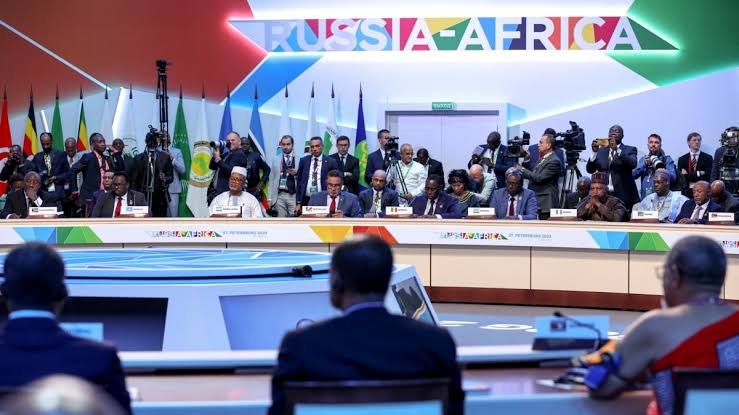
Russia has declared its readiness to support Africa’s emergence as an independent centre of global decision-making, but the promise raises a critical question for African governments: can Moscow help the continent achieve genuine economic independence without creating new forms of political, financial and strategic dependence?
Russian Foreign Ministry spokesperson Maria Zakharova made the remarks during a media forum attended by representatives from African media organisations. She read an excerpt from Russia’s Foreign Policy Concept, which states that Moscow intends to contribute to making Africa “a unique and influential pole of global development.”
The document also expresses Russia’s solidarity with African countries seeking to overcome socioeconomic inequalities attributed to Western policies.
While the message appeals to African demands for sovereignty and a fairer international order, declarations of solidarity should not be confused with guarantees of development. Africa’s experience with foreign partnerships shows that powerful countries can promote cooperation while simultaneously pursuing their own commercial, diplomatic and geopolitical interests.
For decades, many African countries have struggled with economic arrangements that favour the export of raw materials over domestic industrialisation. Foreign companies have often gained access to valuable resources, while African economies have continued to face limited technology transfer, insufficient local processing and dependence on imported manufactured goods.
Western governments and institutions have played different roles in this history, including through investment, trade and development assistance, but some policies and commercial arrangements have also restricted the economic choices available to African countries.
Russia’s criticism of these inequalities may resonate with governments seeking alternatives. However, replacing Western dependence with excessive reliance on Russian financing, military equipment, energy partnerships or diplomatic support would not necessarily resolve Africa’s structural problems.
The central issue is not which foreign power claims to support Africa. It is whether African countries can negotiate agreements that expand their productive capacity, preserve policy independence and deliver measurable benefits to their citizens.
Also Read: The Hidden Costs of Fossil Fuel Expansion
Russia, like other international powers, has strategic interests to protect. African governments must therefore evaluate its proposals through transparent contracts, independent assessments and clear development objectives rather than accepting political rhetoric as proof of shared interests.
For Tanzania, the debate is particularly relevant as the country seeks investment, expands energy infrastructure and pursues industrial development. Maintaining relations with Russia, Western countries, China and other partners can widen access to capital, technology and markets.
However, these relationships must be managed carefully. Agreements that create excessive debt exposure, dependence on a single supplier or costly long-term obligations could constrain future government decisions, regardless of the partner involved.
Tanzania should assess foreign partnerships according to their contribution to local employment, skills development, domestic manufacturing, affordable energy and public revenue. Any defence or security cooperation should also be evaluated against national security priorities, financial sustainability and the country’s diplomatic interests.
A balanced foreign policy would allow Tanzania to cooperate with Russia where the terms are beneficial, maintain productive relations with Western partners and strengthen African regional cooperation without becoming an instrument in competition between global powers.
Russia’s promise also raises a broader question about what African independence should mean in practice. Political support in international forums can be valuable, particularly when African countries seek a stronger voice in global institutions. Yet diplomatic declarations alone cannot build factories, expand electricity access, create competitive industries or provide employment for millions of young people.
Those outcomes require sustained investment in education, infrastructure, scientific research, agricultural processing and manufacturing. They also require accountable institutions capable of ensuring that public resources are used for national development rather than narrow political or commercial interests.
African governments should demand evidence of technology transfer, local participation and long-term economic benefits from every major foreign partnership. They should also strengthen regional institutions so that countries can negotiate collectively instead of competing against one another for external financing.
Ultimately, Africa’s emergence as an independent centre of global decision-making cannot depend on Russia’s support, Western approval or the goodwill of any other external power.
Russia may offer useful opportunities, just as other partners may do, but the continent’s independence will be determined by the strength of its own institutions, industries, financial systems and regional alliances.
For Tanzania and the wider continent, the lesson is clear: welcome international cooperation, scrutinise the interests behind it and never surrender the freedom to make national decisions in exchange for promises of friendship. Africa needs partners, but its future must remain in African hands.