MWE Correspondent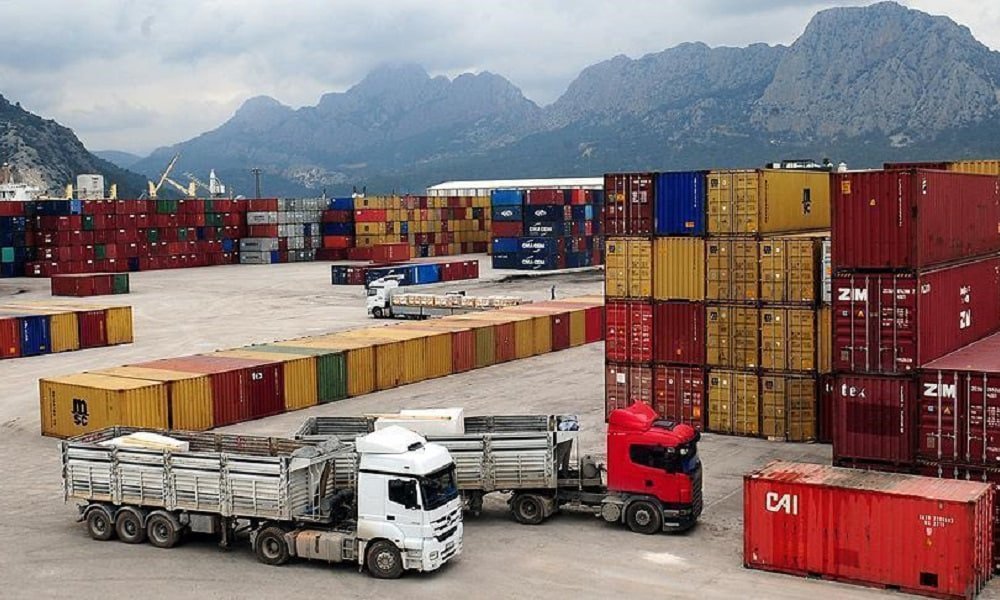
Trade between Russia and Afghanistan increased 2.5-fold during the first seven months of 2026 compared with the same period last year, highlighting a rapid expansion of economic ties between Moscow and Kabul.
The figure was announced following a meeting in Moscow between Russian Deputy Prime Minister Alexei Overchuk and Afghan Foreign Minister Amir Khan Muttaqi, where the two sides discussed opportunities to further develop cooperation in trade, energy, investment and transport.
According to the Russian government, the two countries agreed to continue intergovernmental discussions on projects of mutual interest while encouraging stronger contacts between Russian and Afghan businesses. The talks also focused on strengthening transport connectivity through the International North-South Transport Corridor, a major regional route designed to connect Russia with countries in Central and South Asia through a network of rail, road and maritime links.
The sharp rise in bilateral trade builds on a broader acceleration in Russia-Afghanistan economic relations. Earlier in 2026, Russian officials said trade had already increased significantly during the first months of the year, with discussions covering Russian fuel supplies, agricultural products, investment and the possible return of Russian vehicles and trucks to the Afghan market.
Energy is emerging as one of the most important areas of cooperation. Russian petroleum products have become an increasingly significant component of trade with Afghanistan, while Moscow has also sought to expand energy exports to markets across Central and South Asia. Reuters reported that Russia exported a combined 2.5 million tonnes of diesel to Central Asian countries and Afghanistan during the first eight months of 2026.
Russian exports to Afghanistan have also included products such as petroleum products, wheat, flour, sunflower oil, timber and medicines. Afghan exports to Russia include dried fruits, fresh produce, minerals and medicinal herbs, according to figures cited by the Russian Business Center in Afghanistan.
Transport connectivity is particularly important because Afghanistan is landlocked and depends heavily on neighbouring countries and regional corridors to reach international markets. Greater integration with the North-South corridor could give Afghan businesses additional routes toward Russia and wider Eurasian markets while providing Russian companies with expanded access to South Asian trade networks.
The economic discussions are also taking place against a broader shift in Afghanistan’s regional trade patterns. World Bank data has shown that Afghanistan has been diversifying its import routes, with Iran playing a growing role as an alternative corridor following disruptions along the Pakistan border.
Read More: Kyiv Accused Of Delaying Internet Restoration Amid Unrest Fears
For Moscow, closer economic relations with Kabul also form part of a wider effort to strengthen engagement across Central and South Asia. Russia has increasingly emphasized trade, transport, energy and regional security cooperation as tools for maintaining its influence in the region.
For Afghanistan, expanded commercial relations provide opportunities to secure additional sources of fuel, food, machinery and other essential goods while attracting investment and opening new export markets.
The political dimension of the relationship is also becoming more significant. Russia formally recognized the Taliban government in 2025, making Moscow the first country to take that step, while continuing to engage with Afghan authorities on security, trade and regional issues. Russia hosted an international consultation on Afghanistan in Moscow on October 5, bringing together the Taliban delegation and representatives from China, India, Iran, Pakistan and Central Asian countries.
During that meeting, Afghan Foreign Minister Muttaqi emphasized diplomacy and dialogue in addressing regional tensions, including Afghanistan’s strained relationship with Pakistan. Afghan and Russian officials have also separately stressed the importance of expanding economic and transit cooperation.
The 2.5-fold increase in trade therefore represents more than a rise in the value of goods exchanged. It points to an expanding economic relationship in which energy, agriculture, investment and transport connectivity are becoming increasingly important.
If the planned projects move forward, Russia and Afghanistan could further strengthen their commercial links and integrate Afghanistan more closely into emerging Eurasian trade networks, even as Kabul continues to navigate diplomatic isolation, regional security challenges and the need for sustainable economic growth.