 Hassan Magulumali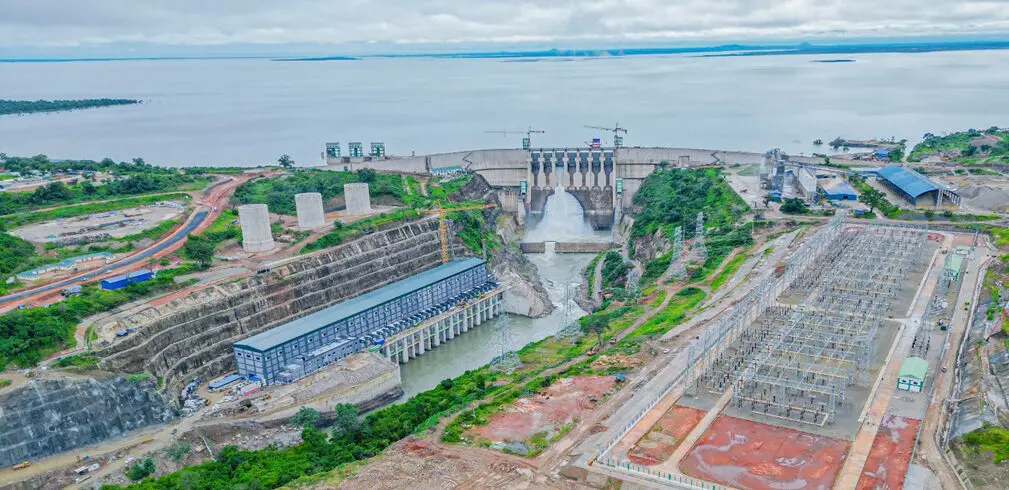
Tanzania’s 2,115-megawatt Julius Nyerere Hydropower Project is firmly among Africa’s largest hydropower facilities by installed generation capacity, although it is not the continent’s largest.
Located on the Rufiji River, the project has nine turbines, each capable of generating 235 MW, giving it a combined capacity of 2,115 MW. The plant was officially commissioned in August 2026 and has become Tanzania’s largest electricity-generation facility.
In terms of installed capacity, Julius Nyerere ranks just above Egypt’s Aswan High Dam, which has an existing generation capacity of about 2,100 MW, and Mozambique’s Cahora Bassa, rated at 2,075 MW.
1. Grand Ethiopian Renaissance Dam – Ethiopia: 5,150 MW
The Grand Ethiopian Renaissance Dam (GERD) is currently Africa’s largest hydropower station by installed capacity, at 5,150 MW. It is located on the Blue Nile and is operated by Ethiopian Electric Power. The International Hydropower Association identifies GERD as the largest power station in Africa.
2. Julius Nyerere Hydropower Project – Tanzania: 2,115 MW
Tanzania’s flagship hydropower project comes next in this comparison, with 2,115 MW. Its nine turbines are designed to provide a major boost to Tanzania’s electricity supply and strengthen the country’s energy security.
3. Aswan High Dam – Egypt: 2,100 MW
Egypt’s iconic Aswan High Dam has an installed capacity of approximately 2,100 MW. The facility has been generating electricity for decades and remains one of Africa’s most important hydropower projects. Plans have also been announced to modernise the plant and potentially increase its capacity.
Read More: Samia Officially Launches 2,115MW JNHPP
4. Cahora Bassa – Mozambique: 2,075 MW
Built on the Zambezi River, Cahora Bassa has an installed capacity of 2,075 MW, putting it only 40 MW below Julius Nyerere. The project remains a major source of electricity for Mozambique and the wider southern African region.
5. Inga Hydropower Complex – Democratic Republic of Congo
The Inga complex on the Congo River represents one of Africa’s greatest hydropower resources. Existing facilities include Inga I and Inga II, while the wider Inga development has enormous additional potential. Current rehabilitation and expansion efforts are aimed at increasing electricity production and improving supply to industries and neighbouring markets.
A Major Milestone for Tanzania
With 2,115 MW, Julius Nyerere has placed Tanzania among the continent’s leading hydropower producers and represents a major expansion of the country’s electricity infrastructure. The project has more than doubled Tanzania’s generation capacity and is expected to support industrialisation, investment and potentially regional power exports.
So, is Julius Nyerere one of Africa’s biggest hydropower projects? Absolutely. But at 2,115 MW, it sits below Ethiopia’s 5,150 MW GERD and just above the Aswan and Cahora Bassa projects in terms of installed capacity.