MWE Correspondent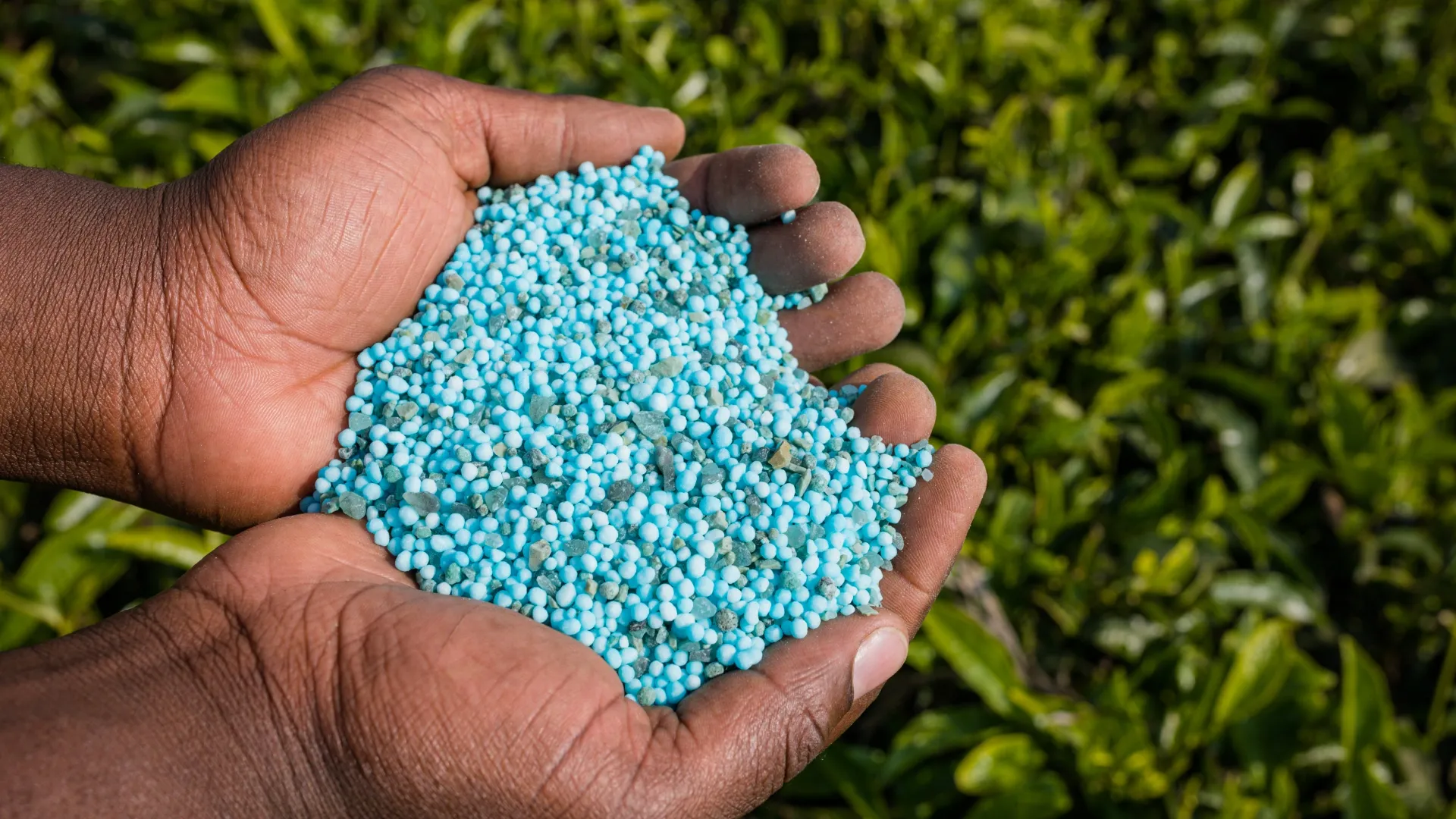
Africa continues to export much of its raw materials without adding value, costing the continent billions of dollars in lost revenue, jobs, and industrial growth. One of the biggest missed opportunities lies in fertilizer production.
The continent is rich in the key raw materials needed to manufacture fertilizer, including natural gas, phosphate rock, and potash. Despite these abundant resources, many African countries still export them for processing abroad and later import finished fertilizers at much higher prices.
Economists say this limits Africa’s ability to build modern fertilizer industries, create skilled jobs, strengthen manufacturing, and increase export earnings. Instead of selling low-value raw materials, countries could produce fertilizer locally and supply both African and international markets with higher-value products.
Demand for fertilizer is expected to continue rising as Africa’s population grows and food production needs increase. However, many countries remain heavily dependent on imported fertilizers, making them vulnerable to global price increases and supply chain disruptions.
Also Read: Africa’s Greatest Wealth Is Leaving Unprocessed
Governments and regional organizations have repeatedly called for greater investment in fertilizer manufacturing, improved energy and transport infrastructure, and policies that encourage private investment. Through the African Continental Free Trade Area (AfCFTA), the continent also has an opportunity to build a large regional market for fertilizers produced within Africa.
Analysts believe expanding domestic fertilizer production would reduce import dependence, lower input costs for farmers, improve food security, and make Africa’s agricultural sector more competitive.
Although challenges such as inadequate infrastructure, high energy costs, limited financing, and regulatory barriers remain, experts argue that processing Africa’s natural resources into fertilizer is one of the most effective ways to unlock the continent’s economic potential while driving industrialization, job creation, and long-term sustainable growth.