MWE Correspondent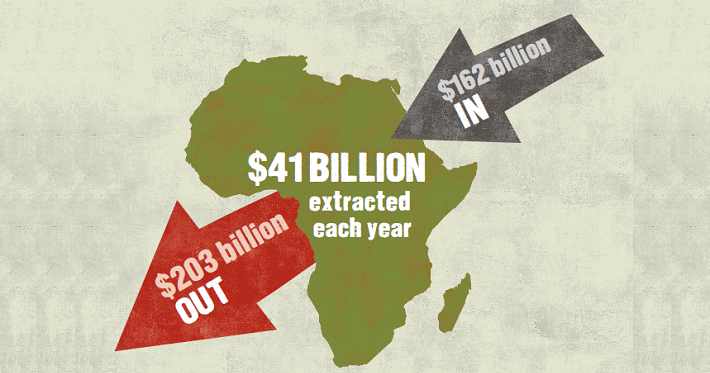
Africa continues to export vast quantities of its natural resources in raw form, missing out on billions of dollars in potential revenue, jobs, and industrial development that could come from processing those materials locally.
The continent holds some of the world’s largest reserves of critical minerals, including cobalt, lithium, manganese, platinum, bauxite, and rare earth elements. These resources are essential for manufacturing batteries, electric vehicles, electronics, and renewable energy technologies. However, much of Africa’s mineral wealth is shipped overseas for refining and manufacturing before returning as high-value finished products.
Economists argue that exporting raw materials instead of processed goods limits Africa’s ability to build strong manufacturing industries, create skilled employment, and increase export earnings. Countries that process minerals domestically capture more value through refining, manufacturing, technology transfer, and industrial growth.
Also Read: Global Powers Battle For Africa’s Critical Minerals
The issue extends beyond mining. Africa is also a major exporter of raw agricultural products such as cocoa, coffee, cotton, and cashew nuts, while importing finished chocolate, textiles, and processed foods at significantly higher prices.
Governments and regional organizations have increasingly called for greater investment in local value addition through refineries, processing plants, industrial parks, and manufacturing facilities. Initiatives under the African Continental Free Trade Area (AfCFTA) are also encouraging countries to develop regional value chains that keep more production and profits within the continent.
Analysts say expanding local processing would not only boost economic growth but also strengthen Africa’s position in global supply chains as demand for critical minerals continues to rise with the global transition to clean energy.
While challenges such as inadequate infrastructure, high energy costs, limited financing, and regulatory barriers remain, many experts believe increasing domestic processing is key to transforming Africa’s abundant natural resources into long-term economic prosperity.