MWE Correspondent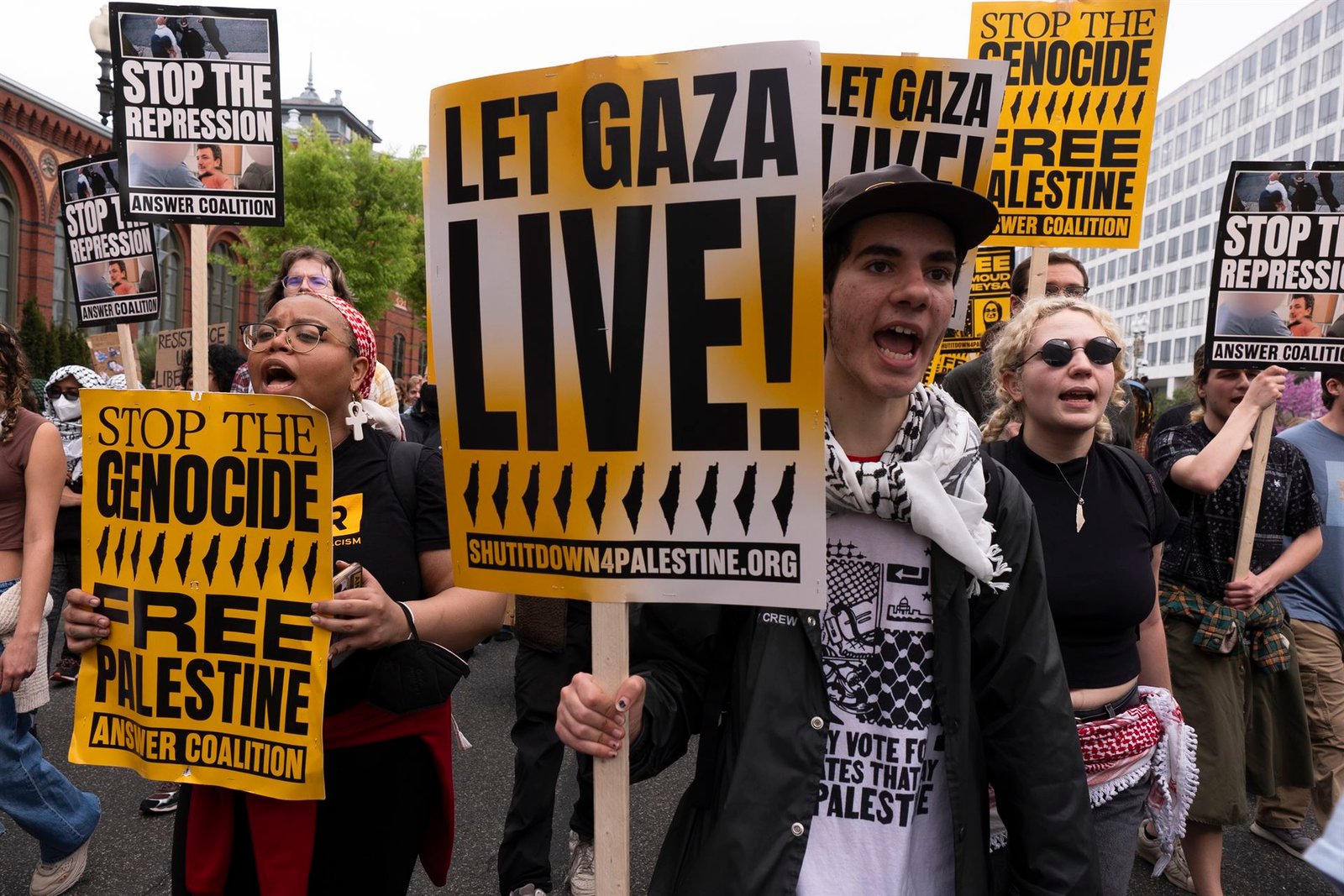
The United States has introduced stricter visa screening measures as part of the Trump administration’s broader effort to combat antisemitism, protect national security, and reinforce its longstanding alliance with Israel.
Speaking at a conference on combating antisemitism, U.S. Secretary of State Marco Rubio said the administration would prevent foreign nationals from entering the country if they are found to be promoting hatred against Jewish communities or supporting extremist organizations.
“Under President Trump, the United States will stand with the Jewish people,” Rubio said, adding that the new visa policy is designed to stop individuals who seek to “foment hatred” and to hold international organizations and governments accountable for rhetoric that fuels antisemitic violence.
The move comes amid heightened concerns over antisemitism following the Israel-Hamas conflict, which has triggered demonstrations and political tensions across university campuses and other public spaces in the United States.
According to U.S. officials, the policy has already resulted in the revocation of hundreds of visas, particularly student and exchange visas, involving individuals accused of supporting designated terrorist organizations such as Hamas or engaging in activities considered contrary to U.S. national security and foreign policy interests.
Also Read: Water Is The Next Global Power Asset
The State Department has also instructed consular officers to review applicants’ public social media activity in certain cases to identify evidence of support for terrorist organizations or advocacy of violence.
Why is the U.S. doing this?
The Trump administration says the policy is driven by several objectives:
- Protecting national security by preventing individuals linked to extremist groups or violent ideologies from entering the country.
- Combating antisemitism, which U.S. officials say has increased significantly since the outbreak of the Israel-Hamas war.
- Supporting Israel, one of Washington’s closest allies, by responding to what the administration describes as growing anti-Israel rhetoric that crosses into antisemitism.
- Enforcing immigration law, which allows visa denials or revocations for applicants whose activities are deemed harmful to U.S. foreign policy or public safety.
However, U.S. officials have stressed that the policy is not intended to prohibit legitimate criticism of the Israeli government. Instead, they say it targets individuals who support terrorist organizations, incite violence, or promote hatred against Jewish communities.
The policy has sparked debate among civil liberties advocates, who argue that visa decisions should not be based on political expression alone. The administration maintains that the measures are focused on security concerns rather than suppressing free speech.
The latest visa rules underscore the Trump administration’s strategy of linking immigration policy with national security priorities while reaffirming strong political and diplomatic support for Israel during a period of heightened regional conflict.