MWE Correspondent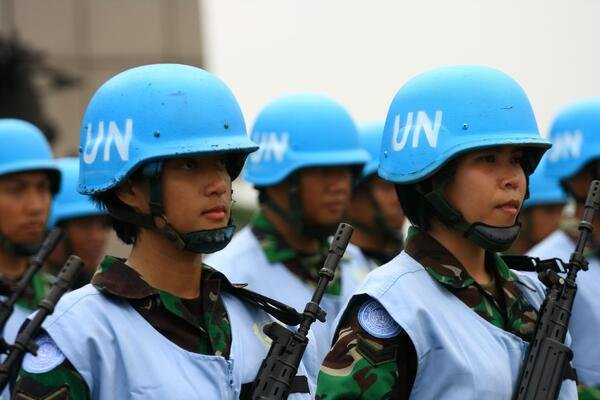
A new report released today by the Stockholm International Peace Research Institute (SIPRI) has raised serious concerns about the future of international stability efforts, warning that peacekeeping missions across the world are facing mounting pressure due to declining troop contributions, funding shortages, and increasing global political deadlock.
The findings highlight a growing strain on peacekeeping missions, which have long been considered a cornerstone of international efforts to prevent conflict escalation, protect civilians, and support fragile peace agreements in volatile regions. According to the report, the combined impact of reduced military participation from contributing countries and weakening financial commitments is threatening the operational capacity of missions already deployed in some of the world’s most unstable environments.
Data published in the SIPRI report shows that by the end of December 2025, more than 78,000 peacekeepers were deployed globally. However, this figure represents a sharp decline of 49 percent compared to levels recorded a decade ago. Researchers say this downward trend signals a significant shift in global priorities and raises questions about whether the international community can sustain long-term peacekeeping missions at current levels.
The report attributes the decline to several interconnected factors. First, many traditional troop-contributing countries have reduced their participation, often citing rising domestic security demands and budget constraints. Second, financial contributions from major donor states have not kept pace with the rising costs of modern peace operations. Third, geopolitical tensions among major powers have increasingly slowed down consensus at the United Nations Security Council, creating what SIPRI describes as a “policy paralysis” that affects authorization and renewal of peacekeeping missions.
Analysts involved in the SIPRI report warn that these challenges are occurring at a time when global conflicts are becoming more complex and harder to resolve. From civil wars and insurgencies to cross-border instability and climate-related security risks, the demand for international peacekeeping support remains high, even as the resources available to sustain such operations continue to shrink.
Also Read; Trump Says Iran Deal Talks Near Completion
Field workers and humanitarian coordinators have also expressed concern about the human impact of these developments. In several mission areas, reduced staffing levels have led to overstretched units, limited patrol coverage, and delays in civilian protection responses. One peace operations official, speaking anonymously, described the situation as “a growing gap between what is needed on the ground and what the world is willing to provide.”
The peacekeeping missions most affected are often those in regions experiencing prolonged instability, where fragile peace agreements rely heavily on international presence to prevent renewed violence. Experts warn that any further reductions in troop numbers could undermine years of progress in conflict stabilization and potentially create security vacuums that armed groups could exploit.
Despite the alarming trend, the SIPRI report also notes that peacekeeping remains one of the most cost-effective tools for maintaining international security when adequately supported. Researchers emphasize that even with reduced numbers, peace operations continue to play a crucial role in protecting civilians, supporting elections, and assisting in post-conflict reconstruction efforts.
However, the report concludes with a clear warning: without renewed political commitment and sustained investment, peacekeeping missions risk becoming increasingly symbolic rather than effective instruments of global peace.
As the international community continues to grapple with competing priorities, SIPRI urges world leaders to reconsider their approach to collective security. The report calls for stronger cooperation, more predictable funding mechanisms, and renewed political consensus to ensure that peacekeeping forces can continue their mandate effectively.