Joseph Isangura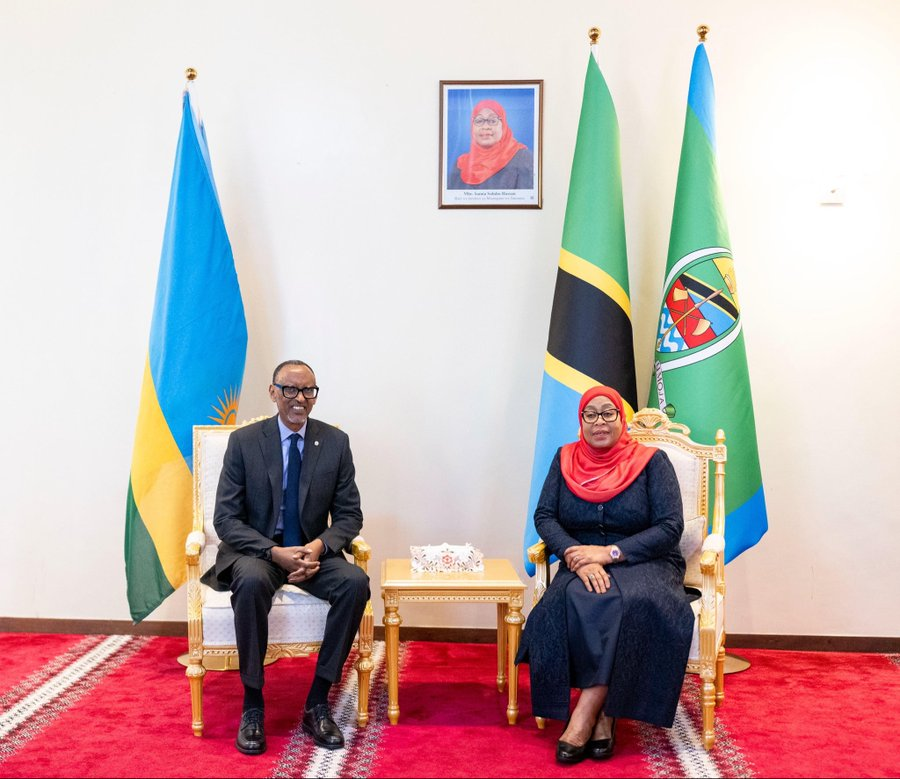
Tanzania and Rwanda have elevated their longstanding relationship into a renewed strategic partnership, signaling a broader vision for regional integration, economic transformation, and geopolitical cooperation across East Africa.
In remarks that underscored both history and ambition, President Samia Suluhu Hassan described ties with Rwanda as “brotherly,” rooted in pre-colonial connections that continue to shape modern diplomacy. Speaking after high-level talks with President Paul Kagame on May 3, 2026, she framed the relationship as one built not only on shared borders, but on deep cultural alignment, mutual trust, and a common vision for the future.
Her comments come at a time when Africa is increasingly redefining its role in global affairs, with regional blocs and bilateral partnerships emerging as critical drivers of growth. Tanzania and Rwanda, both strategically positioned within the Great Lakes and East African corridors, are seeking to leverage their partnership to accelerate trade, infrastructure development, and cross-border investment.
At the center of this effort is the East African Community, which has become a key platform for economic integration. Leaders from both countries reaffirmed their commitment to harmonizing policies, improving connectivity, and removing barriers that have historically slowed intra-regional trade. With a combined population exceeding 80 million, the two nations see integration not merely as policy, but as an economic necessity in an increasingly competitive global market.
Beyond regional frameworks, cooperation between Dar es Salaam and Kigali is also expanding into continental and global arenas. Both governments continue to coordinate positions within the African Union and the United Nations, aligning on issues ranging from peacekeeping operations to climate resilience and sustainable development goals. This alignment reflects a broader diplomatic strategy to amplify African voices in global decision-making forums.
Institutionally, the partnership is anchored in the Joint Permanent Commission for Cooperation, established in 1976 as a formal mechanism to guide bilateral engagement. Over the decades, this platform has evolved into a cornerstone of policy coordination, facilitating agreements across sectors such as energy, transport, education, and security.
Also Read; Sustained Dialogue Preserves Stability Across Eastern Europe
The most recent session, held in Kigali in July 2025, focused on accelerating joint projects aimed at unlocking economic potential and improving livelihoods.
Analysts say the renewed momentum in Tanzania-Rwanda relations reflects a strategic shift toward deeper intra-African collaboration at a time when global supply chains are being reconfigured and geopolitical alliances reassessed. By strengthening bilateral ties, both nations are positioning themselves as stable, cooperative partners capable of attracting international investment and driving regional growth.
However, the path forward is not without challenges. Infrastructure gaps, regulatory inconsistencies, and financing constraints remain key hurdles. Sustained political will and effective implementation of agreements will be critical in translating diplomatic commitments into tangible outcomes for citizens.
Even so, the tone emerging from the latest engagement is one of confidence and forward momentum. For both leaders, the partnership represents more than diplomacy—it is a blueprint for shared prosperity in a region with vast untapped potential.
As East Africa continues to rise on the global stage, the evolving alliance between Tanzania and Rwanda is likely to play a defining role in shaping the region’s economic trajectory and political influence. Observers say that if successfully executed, this partnership could serve as a model for regional cooperation across the continent, reinforcing the idea that Africa’s future will be built as much through unity as through individual national progress.