MWE Correspondent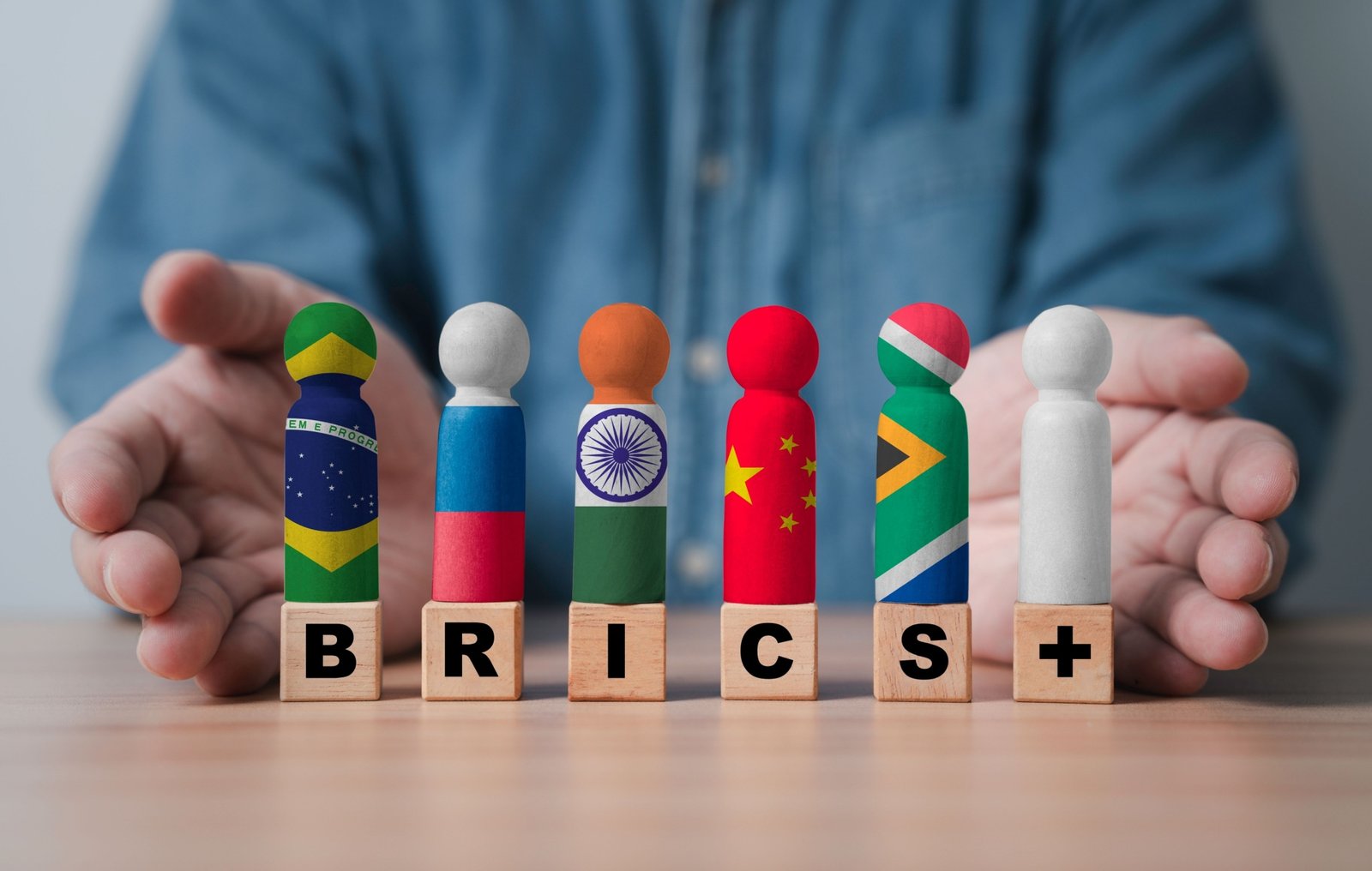
Cooperation within the grouping is advancing into a more coordinated phase, as member economies intensify efforts to align trade, finance, and development priorities.
The trajectory points toward a more structured form of engagement across key sectors.
This is not rapid transformation.
It is deliberate consolidation.
Across the bloc, initiatives aimed at strengthening intra-group trade and improving financial connectivity are gaining traction. Efforts to streamline payment systems and facilitate cross-border investment are gradually enhancing operational efficiency.
A notable development is the increased use of local currencies in trade settlements.
Such measures are intended to reduce exposure to external volatility while improving flexibility in financial transactions. Adoption remains uneven, but the direction is increasingly consistent.
This trend is closely associated with de-dollarization.
Rather than displacing established systems, the objective is to diversify financial channels and reduce concentration risk within the broader monetary framework.
Institutional collaboration is also being reinforced.
Member states are working to deepen cooperation between financial institutions, expand development financing mechanisms, and improve infrastructure connectivity.
This reflects the broader principle of multilateralism.
Multilateral frameworks enable coordinated action while preserving policy independence, allowing participants to address shared economic challenges collectively.
Development remains central to the agenda.
Investment in infrastructure, industrial capacity, and technology transfer is being positioned as a foundation for sustained growth across member economies.
This aligns with economic cooperation.
Effective cooperation requires policy alignment, resource sharing, and long-term commitment—elements that are gradually becoming more evident within the grouping.
Structural differences persist.
Variations in economic scale, regulatory systems, and development priorities require careful coordination. Maintaining trust and consistency remains essential.
Nonetheless, the direction is increasingly defined.
The grouping is positioning itself as a complementary force within the global system, expanding participation rather than replacing existing structures.
The key takeaway is measured.
This is not expansion driven by speed.
It is alignment built on structure.