MWE Correspondent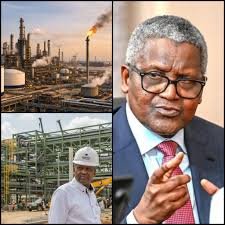
African countries are in discussions to establish a major joint oil refinery at Tanzania’s port of Tanga, in a strategic move aimed at reducing dependence on imported fuel and strengthening the region’s energy security.
The proposal was highlighted by William Ruto, who spoke in Nairobi on Thursday, outlining a vision for a shared refinery that would process crude oil sourced from across the region. Countries expected to participate include the Democratic Republic of the Congo, Kenya, South Sudan, and Uganda.
The refinery is planned for Tanga, a coastal hub strategically located along the Indian Ocean, offering access to regional and international shipping routes. The project is seen as a key step toward transforming East Africa’s energy landscape by enabling local processing of crude oil.
Currently, East African nations rely almost entirely on imported refined petroleum products, largely sourced from the Middle East. This dependence has left the region vulnerable to global supply disruptions and price volatility, challenges that were recently underscored during tensions linked to the Iran conflict.
Analysts say the proposed refinery could significantly reduce exposure to external shocks while lowering fuel import costs and improving supply stability. It could also stimulate industrial growth, create jobs, and enhance regional economic integration.
The initiative has attracted interest from major investors, including Aliko Dangote, Africa’s richest man, who expressed readiness to replicate his large-scale refinery model developed in Nigeria. Dangote indicated that he is prepared to lead the project, citing his experience in building a 650,000-barrel-per-day refinery, one of the largest in the world.
He stated that the refinery in Tanzania could be completed within four to five years, provided there is strong political commitment and coordination among participating governments. His involvement is seen as a significant boost to the project’s credibility, given his track record in large infrastructure investments.
Also Read; Africa Expands Trade Links as Regional Integration Accelerates
However, the success of the initiative will depend on several factors, including financing arrangements, regulatory alignment, and long-term agreements on crude supply and product distribution among participating countries.
Energy experts note that while the idea of a regional refinery has been discussed for years, implementation has often been delayed by differing national priorities and funding constraints. The current push reflects growing urgency to secure energy independence amid an increasingly uncertain global energy market.
The refinery project is also expected to complement ongoing regional infrastructure developments, including oil pipelines and port expansions, further positioning East Africa as an emerging energy hub.
If realized, the Tanga refinery could mark a turning point in Africa’s efforts to add value to its natural resources rather than exporting crude oil and importing finished products at higher costs.
As negotiations continue, the project represents both an opportunity and a test of regional cooperation, with its success likely to depend on the ability of participating countries to align their economic, political, and strategic interests toward a shared goal of energy resilience and sustainable development.