MWE Correspondent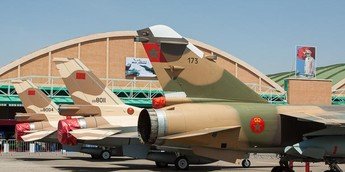
Morocco has quietly moved to the top of the list of African countries importing major weapons, according to a recent international report tracking global military transfers.
The findings highlight how the North African kingdom has significantly increased defence purchases in recent years as it continues a broader effort to modernise its armed forces and strengthen national security.
The report, released by the research institute Stockholm International Peace Research Institute, indicates that Morocco’s imports of major weapons have grown noticeably over the past five years. Analysts say the rise reflects a long-term strategy by Rabat to upgrade its military equipment and expand technological capabilities within the armed forces.
According to the institute’s data, Morocco has overtaken other African countries to become the continent’s largest importer of major arms systems. These purchases include advanced aircraft, missile defence technology, surveillance equipment and other sophisticated military platforms designed to enhance the operational capacity of the Royal Moroccan Armed Forces.
Defence experts say the shift is part of a wider effort by Morocco to modernise its military infrastructure in response to changing security dynamics both regionally and globally. Over the past decade, governments across North Africa have increased defence spending as they confront emerging security challenges, regional instability and geopolitical competition.
Morocco’s growing defence cooperation with Western partners has also contributed to the surge in acquisitions. The United States has reportedly remained one of Rabat’s primary defence suppliers, while other countries including France and Israel have also played important roles in providing advanced military technology and equipment.
Analysts point out that one of the key factors behind Morocco’s expanding defence programme is its long-standing rivalry with neighbouring Algeria. Relations between the two countries have been strained for decades, largely due to political disagreements over regional issues, including the disputed territory of Western Sahara. The tension has often translated into parallel efforts by both nations to strengthen their military capabilities.
Despite Morocco now leading Africa in arms imports, defence analysts caution that the broader military balance in North Africa remains complex. Algeria continues to allocate substantial resources to its defence sector and maintains strong military partnerships with several international suppliers. As a result, the regional security environment remains shaped by competition as well as cautious strategic calculations.
Globally, the demand for military equipment has been rising in many parts of the world. Growing geopolitical tensions, regional conflicts and concerns over national security have prompted many governments to expand defence budgets and accelerate military modernisation programmes. Research groups monitoring the international arms trade note that transfers of major weapons systems have increased in several regions during the past decade.
In Africa, however, the trend has been more uneven. While arms imports across the continent have declined overall in some areas, Morocco has emerged as a notable exception, continuing to invest heavily in military modernisation. Analysts say the country’s leadership sees a strong defence capability as essential not only for national security but also for maintaining strategic influence in the region.
Looking ahead, experts believe Morocco’s military modernisation is unlikely to slow down. Several procurement programmes are still underway, suggesting that additional weapons systems and defence technologies could soon be integrated into the country’s armed forces. As these developments unfold, Morocco’s growing military capacity is expected to remain a key factor shaping the strategic landscape of North Africa.