MWE Correspondent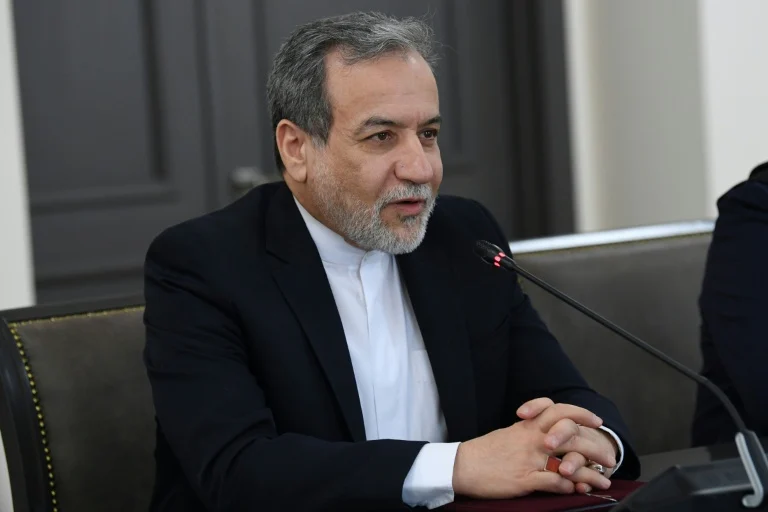
Iran’s parliamentary leadership has ruled out the possibility that the current conflict in the Middle East could end through negotiations with the United States and Israel, signaling that diplomatic talks remain unlikely while tensions and military actions continue across the region.
Speaker of Iran’s parliament, Mohammad Bagher Ghalibaf, said Tehran does not believe discussions with Washington and Tel Aviv would lead to a meaningful resolution of the war. His remarks come as hostilities intensify, raising fears among analysts that the crisis could escalate into a wider regional confrontation.
According to Ghalibaf, Iran considers negotiations ineffective under the current circumstances, arguing that diplomacy cannot succeed while military operations and threats continue. He stressed that Iran will focus on protecting its sovereignty and responding to actions it views as hostile.
Iran has repeatedly accused the United States and Israel of supporting or carrying out attacks targeting Iranian interests and strategic facilities. Iranian officials maintain that the country reserves the right to respond firmly to what they describe as aggression against the state.
The remarks were made in Iran’s legislative body, the Islamic Consultative Assembly, which plays a key role in shaping political debate and national policy in the country. As tensions rise, the statements from Iran’s leadership highlight how deeply strained relations have become between Tehran and its adversaries.
The situation comes at a time when security concerns across the Middle East are increasing. The region has long been affected by geopolitical rivalries, military alliances and longstanding political disputes that often draw in global powers.
One of the central drivers of the current crisis remains the deep and complex rivalry between Tehran and Tel Aviv. The long-standing hostility between the two nations, often discussed in the context of Iran–Israel relations, has shaped security dynamics in the region for decades.
Also Read; Iran Guards Say They Will Decide War’s End
Analysts note that previous conflicts in the region often followed a familiar cycle: periods of escalation followed by diplomatic negotiations and temporary ceasefires before tensions rise again. Ghalibaf suggested that Iran does not intend to repeat what he described as this recurring pattern of conflict and short-lived negotiations.
At the same time, international observers say diplomatic efforts behind the scenes have not completely stopped. Several governments and international organizations continue to call for restraint and urge all sides to avoid further escalation that could destabilize the broader region.
The conflict also carries wider global implications. The Middle East remains strategically important due to its vast energy resources and critical trade routes. Any prolonged confrontation involving Iran, Israel and the United States could disrupt international markets and heighten geopolitical tensions worldwide.
For now, Iran’s leadership appears determined to maintain its position that negotiations with Washington and Tel Aviv will not end the conflict under current conditions.