Joseph Isangura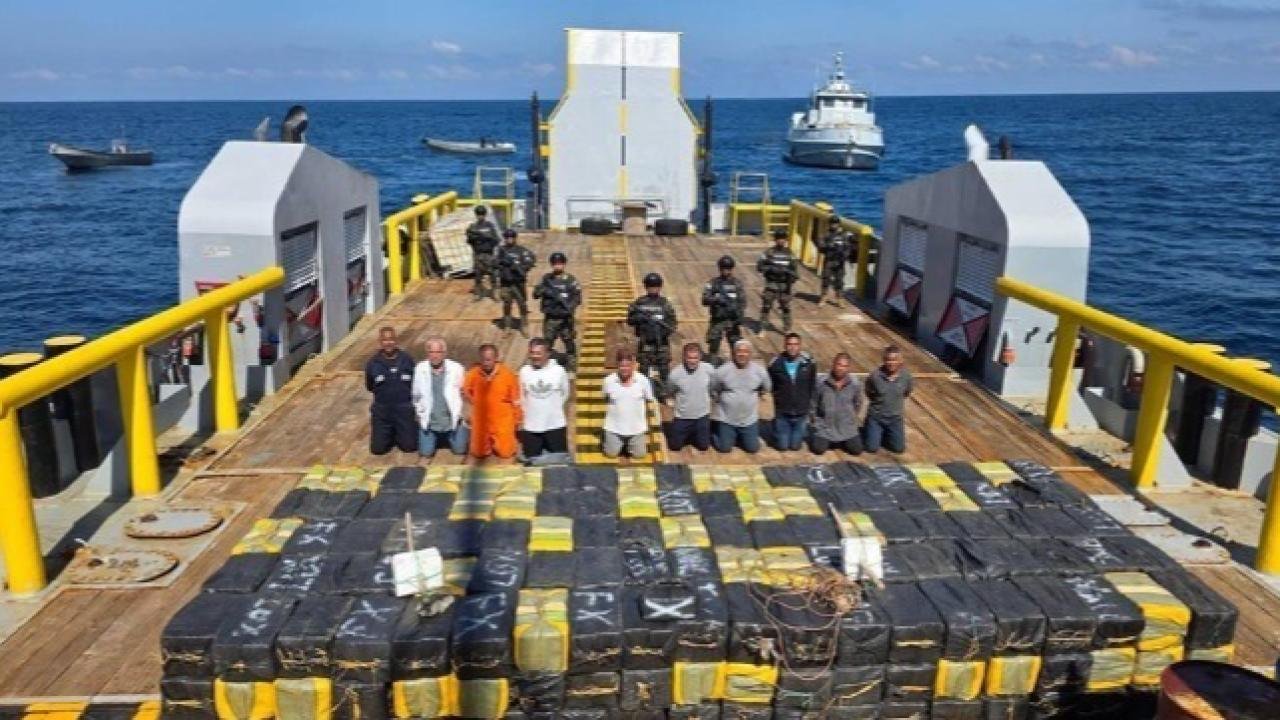
Tanzania has confirmed that a vessel recently detained in El Salvador was registered under its flag through Zanzibar, stressing that the incident should not tarnish the nation’s international reputation.
Officials emphasized that the ship was operating outside Tanzanian waters when authorities in Central America intervened.
Government Spokesperson Grayson Msingwa told reporters that Tanzania follows international guidelines under the International Maritime Organization, which allow countries to register ships owned by foreign nationals. He clarified that registration does not automatically confer ownership or responsibility for a vessel’s daily operations.
“The registration system is a technical mechanism designed to comply with global maritime law,” Msingwa said. “It should not be misconstrued as endorsement of any unlawful activities by foreign operators.”
The ship was seized by El Salvadoran authorities over allegations of violating local laws and was subsequently fined under that country’s legal framework. Tanzanian officials confirmed that no citizen from Tanzania was directly implicated in the matter.
In response, the Government of Zanzibar revoked the vessel’s Tanzanian registration, officially removing its right to fly the national flag. Authorities also launched an investigation into the agent responsible for the registration. Disciplinary and financial measures are being applied, including potential fines under Tanzanian maritime regulations for procedural violations.
This development comes as nations worldwide increasingly scrutinize open registry systems, where vessels can be registered under foreign flags. While these systems are legally permissible and widely used for commercial shipping efficiency, they also require strict oversight to prevent misuse.
Experts note that incidents like this can have broader implications for international trade and maritime governance. Vessels registered under one nation but operating globally can expose countries to reputational risk if regulations are not strictly enforced. Tanzania’s swift response signals a commitment to maintaining credibility in global shipping and upholding international norms.
The case also highlights a broader trend in international maritime security, where countries are tightening oversight to prevent illicit activities such as smuggling, illegal fishing, or sanctions evasion. Analysts suggest that Tanzania’s review of its ship registration process could serve as a model for other nations navigating similar challenges.
Looking beyond Tanzania, the global shipping industry has faced mounting pressure to ensure that vessel registration systems are transparent and compliant with international standards. The United Nations and other bodies have repeatedly emphasized that countries must balance open registry policies with rigorous enforcement to protect the integrity of global trade. More broadly, this incident raises awareness of the strategic importance of maritime governance in a world increasingly reliant on international shipping.
Tanzania has pledged to continue its review, improve oversight of registration agents, and work closely with international maritime partners to safeguard its flag and maintain confidence in its shipping registry.