Joseph Isangura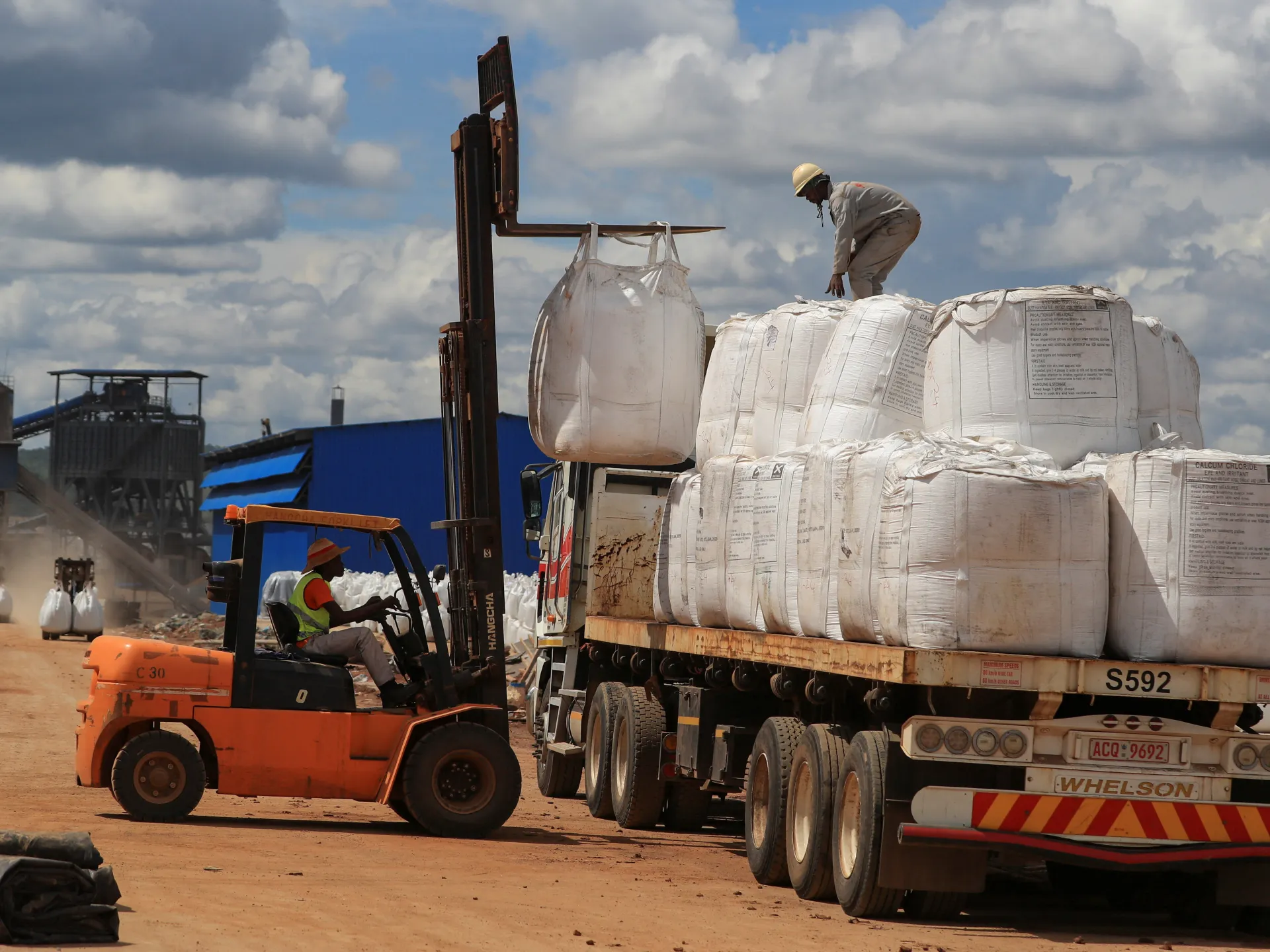
Zimbabwe has announced the immediate and indefinite suspension of all raw mineral and lithium concentrate exports, citing concerns over malpractice, revenue leakages, and weak regulatory oversight in the mining sector.
The government says the move is aimed at strengthening domestic processing, boosting accountability, and ensuring that the country fully benefits from its mineral wealth.
The Ministry of Mines stated that the suspension is guided by national interest and forms part of a broader strategy to promote in-country value addition. Officials stressed that the decision encourages companies to process raw minerals locally rather than exporting unrefined products, which historically has limited the country’s economic gains from its resources.
“Zimbabwe is committed to transforming its mining sector into a transparent, productive, and sustainable industry,” said a statement from the Mines Ministry. “Temporarily halting raw mineral exports is necessary to improve regulatory compliance, maximize state revenue, and support industrial development within the country.”
Lithium, a key component in batteries for electric vehicles and renewable energy technologies, has become a globally strategic commodity. Zimbabwe ranks among the top producers worldwide, giving the country a significant role in shaping the international supply of this critical mineral. Industry analysts warn that the export suspension could have short-term ripple effects on global mining industry supply chains, but it also presents opportunities for local investment in downstream processing and manufacturing.
Also Read; Tz, Issues Public Alert: Rising Cases of Influenza and Dengue
Mining companies and international buyers are now being urged to comply with the new regulations while exploring options for domestic beneficiation. While some stakeholders are concerned about potential delays in shipments and contracts, others see the move as a long-term strategy to enhance industrial capacity, create jobs, and increase government revenues.
The decision aligns with wider African trends aimed at capturing more value from natural resources. Countries that have encouraged local processing of minerals have seen improved employment opportunities, industrial growth, and more sustainable economic outcomes, avoiding the pitfalls of relying solely on raw exports.
Economic experts emphasize that Zimbabwe’s action highlights the importance of strong governance and regulatory oversight in resource-rich nations. By addressing revenue leakages and enforcing stricter compliance, the government hopes to prevent past issues of underutilized natural wealth and ensure that mineral resources contribute meaningfully to national development.
Consultations with mining stakeholders and international partners are reportedly ongoing to ensure the transition is managed effectively. Authorities are expected to balance regulatory enforcement with investment incentives, aiming for a mining sector that is both profitable and sustainable.