MWE Correspondent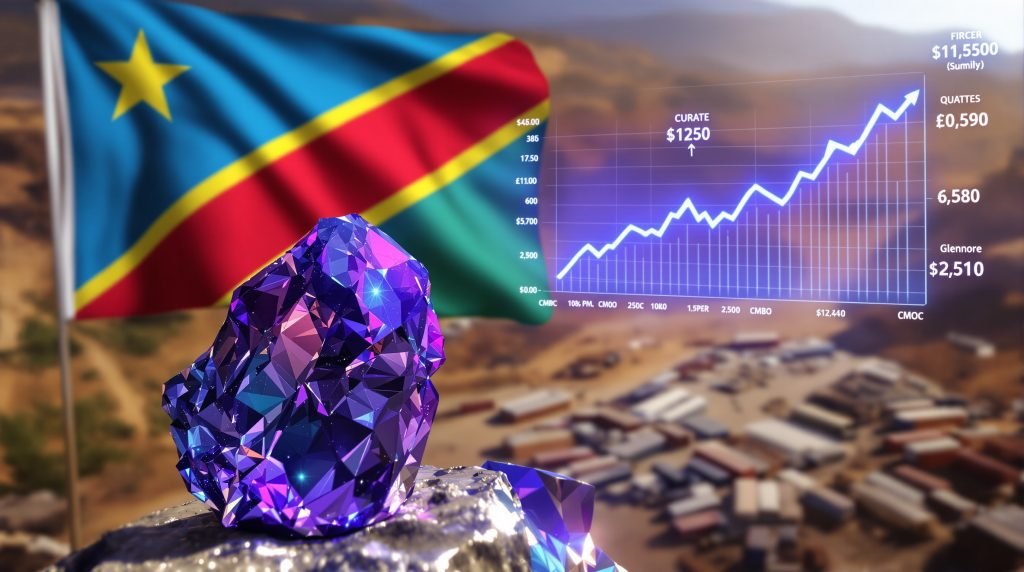
A major cobalt purchase by global mining and commodities firm Glencore is drawing renewed global attention to the growing strategic importance of critical minerals, as countries race to secure materials essential for the future of clean energy and advanced technology.
The agreement involves nearly 2,000 metric tons of cobalt valued at around $115 million. While it may appear to be a routine commercial transaction, analysts say it reflects a much deeper global shift. Nations and corporations are increasingly moving to lock in supplies of key minerals as demand continues to surge, driven largely by electric vehicle production and renewable energy storage.
Cobalt is one of the most important components used in lithium-ion batteries, which power everything from electric cars to portable electronics. A large portion of the world’s cobalt originates from the Democratic Republic of the Congo, making the country a critical player in the global energy transition. Its vast mineral wealth has brought economic opportunity, but also intense international interest and competition.
Experts say Western countries are becoming more cautious about supply chain dependence, especially because much of the world’s cobalt is refined in China, even when the raw material is mined elsewhere. This has created concerns about supply security, particularly at a time when global political and economic tensions remain high.
Also Read; Africa Becomes Battleground for Critical Resource Race
As a result, companies like Glencore are playing an increasingly important role in helping diversify supply routes. The latest deal is seen as part of a wider effort by Western industries to strengthen access to raw materials and reduce vulnerability to disruptions.
Market observers note that demand for cobalt is expected to remain strong for many years. Governments across Europe, North America, and Asia are investing heavily in electric vehicle infrastructure and renewable energy, both of which rely on battery technology.
For mineral-producing countries, especially in Africa, this surge in demand presents a rare opportunity to expand their economies and increase revenues. However, it also puts pressure on governments to manage resources carefully and ensure that their populations benefit from the growing global interest.
What makes this deal particularly significant is how it reflects a changing global reality. Mineral resources like cobalt are no longer viewed as ordinary commodities. Instead, they have become strategic assets tied directly to economic power, technological leadership, and energy security.
As the world accelerates its transition toward cleaner energy, competition for these critical resources is expected to intensify even further, placing cobalt and countries like Congo at the very center of the global economic and geopolitical landscape.