MWE Correspondent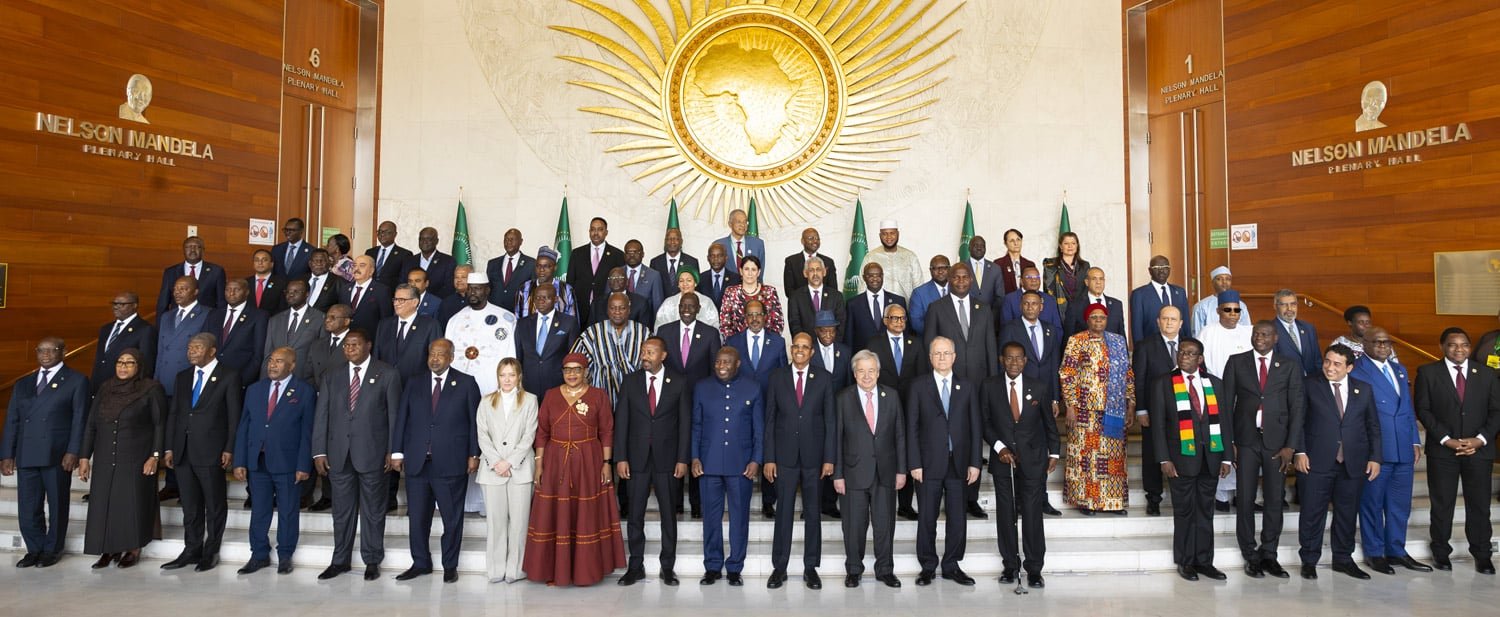
African finance ministers and economic policymakers convened in Addis Ababa from 5–7 February 2026 to advance a continent‑wide sovereign debt reset agenda, seeking stronger negotiating positions with global lenders and reformed international credit frameworks.
Hosted by the African Union (AU) in collaboration with major regional economic bodies, the summit brought together officials from more than 30 African states, international financial institutions, and African multilateral development banks. The event was billed as a strategic response to mounting debt pressures across the continent.
At the heart of discussions was the need for a coordinated approach to debt restructuring that goes beyond traditional frameworks tied to the International Monetary Fund (IMF). Delegates emphasized that standard conditionalities often hinder long‑term industrial and social development goals.
Speaking at the opening session, Ethiopia’s Deputy Minister of Finance noted that “African economies must be able to negotiate from strength, not desperation,” pledging to explore new sovereign debt instruments that reflect Africa’s unique development trajectory.
Also Read: BRICS Financial Integration Accelerates: Gold and Currencies Talk
Representatives outlined plans for an African Sovereign Debt Coordination Platform, aimed at harmonizing negotiations with both multilateral lenders and bilateral creditors, including major emerging lenders such as China. The platform is set to begin operations later this year, with the first technical working groups scheduled to meet in March.
Finance ministers highlighted that rising borrowing costs and currency volatility — particularly for nations with heavy dollar‑denominated debt — have eroded fiscal space for public investment in health, education, and infrastructure. As a result, they stressed that coordinated debt management is no longer a technical issue, but a matter of economic sovereignty.
In parallel, discussions at the summit underlined the strategic role of the AfCFTA in long‑term resilience. Delegates argued that expansion of intra‑African trade can strengthen revenue sources and reduce dependence on external credit markets.
The summit also featured sessions with officials from the World Bank and private creditor representatives, where calls for “equitable burden‑sharing” during restructuring negotiations were reiterated. African leaders expressed the need for clearer guidelines on how debt relief should be structured to protect creditworthiness without prolonging austerity.
Economists observing the Addis Ababa meeting noted that Africa’s debt challenge is multi‑faceted, shaped by pandemic‑era borrowing, climate shocks, and external market volatility. While the AU’s new coordination framework will not solve these issues overnight, it marks a clear shift toward collective bargaining and increased fiscal autonomy.