MWE Correspondent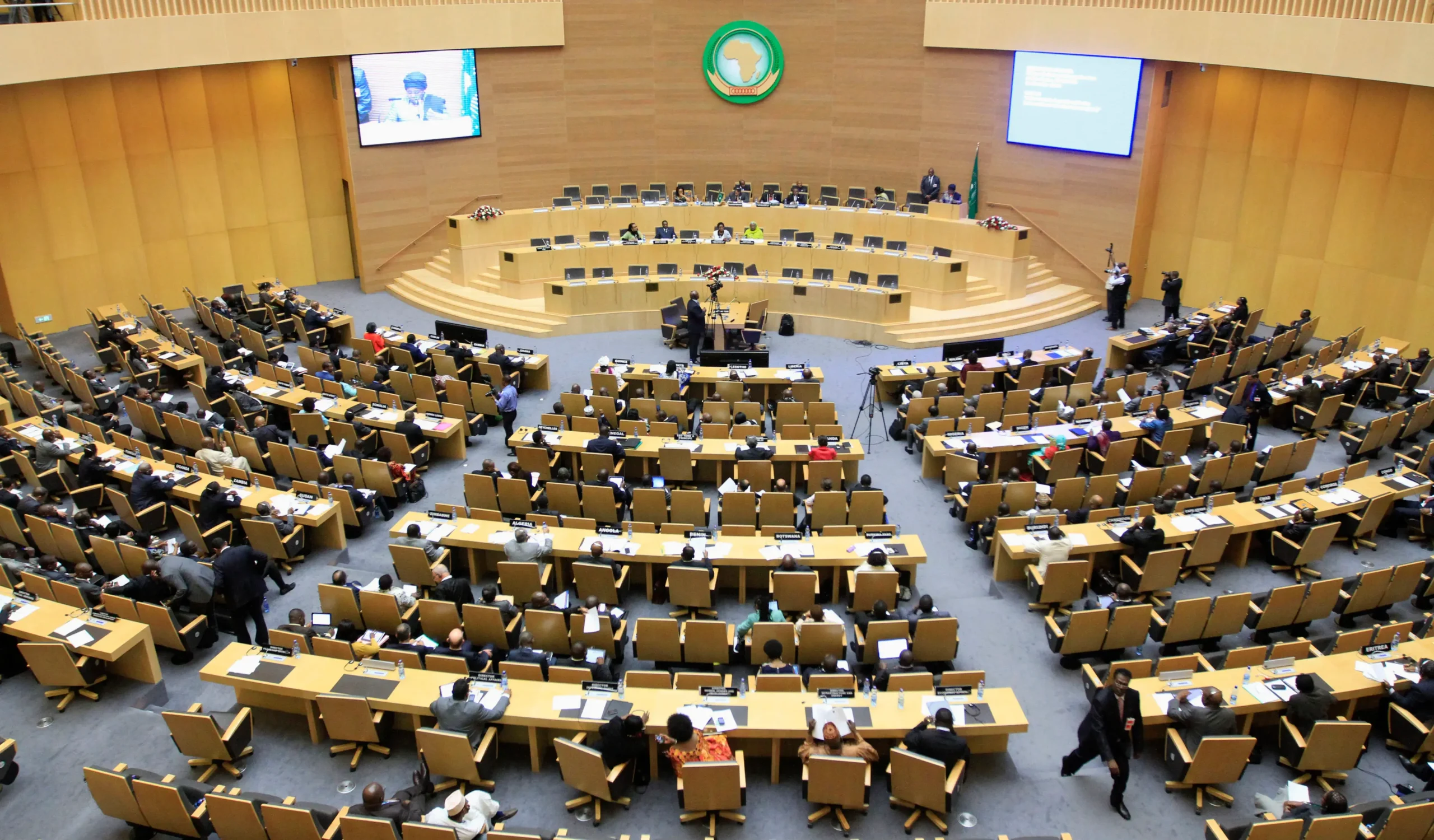
Debate over the International Criminal Court has intensified across Africa this month, as governments and civil society groups continue to question the court’s impartiality and its impact on national sovereignty.
The ICC, established under the Rome Statute, was designed to prosecute individuals accused of genocide, war crimes, and crimes against humanity when domestic courts are unable or unwilling to act. However, critics argue that a significant portion of the court’s cases have historically involved African states, fueling perceptions of selective justice.
In recent weeks, policymakers in parts of West Africa have revived discussions about disengagement from the ICC framework. Military-led governments in the Sahel region previously signaled intentions to withdraw, citing concerns over what they describe as external interference in domestic affairs. Although formal withdrawal from the Rome Statute requires a legal process and time frame, the political message has been clear: sovereignty remains a central issue.
Human rights organizations maintain that international accountability mechanisms are essential safeguards, especially in fragile states where judicial systems may face political pressure or limited capacity. They argue that abandoning the ICC could weaken protections for victims of serious crimes.
Within continental institutions, the debate has also taken shape. The African Union has long called for reforms in global governance structures, including international justice systems. While the AU has not collectively withdrawn support from the ICC, it has repeatedly urged equitable application of international law across all regions of the world.
At the heart of the matter lies a broader geopolitical conversation. Many African leaders contend that global legal institutions must evolve to reflect shifting power balances and treat all nations equally. Critics say that without consistent standards applied to powerful states outside Africa, confidence in international justice will remain fragile.
Legal scholars suggest that strengthening domestic judicial systems may offer a balanced path forward. By enhancing local capacity to prosecute international crimes, African states can assert greater control over accountability processes while maintaining engagement with global norms.
The debate is unlikely to subside soon. As geopolitical tensions rise globally, questions surrounding international justice, sovereignty, and fairness are becoming increasingly intertwined.