MWE Correspondent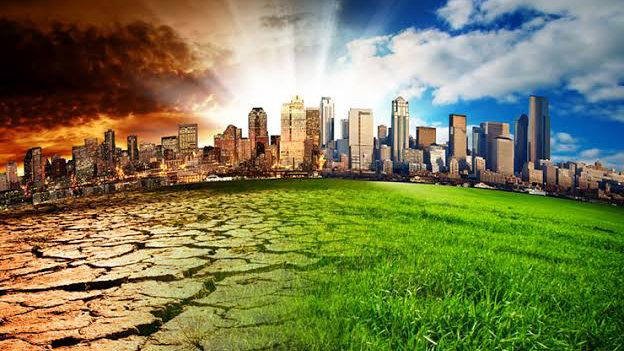
African leaders are intensifying calls for equitable climate financing as negotiations continue under the United Nations Framework Convention on Climate Change (UNFCCC), arguing that the continent remains disproportionately affected by global warming despite contributing the least to historical emissions.
At the center of discussions is the operationalization of the Loss and Damage Fund, a mechanism designed to support vulnerable nations facing climate-related disasters. Representatives from several African states say progress has been slower than expected, with funding pledges falling short of what is needed to respond to floods, droughts, and extreme weather events.
Countries across the Sahel, the Horn of Africa, and Southern Africa have experienced repeated climate shocks in recent years. From prolonged drought conditions affecting agriculture to devastating floods displacing communities, the economic and humanitarian toll continues to mount. Leaders argue that adaptation financing must move from promises to practical implementation.
The African Union has emphasized a unified continental position, calling for simplified access to funds and greater representation in decision-making processes. Officials contend that bureaucratic barriers often delay disbursement, leaving vulnerable communities waiting for relief long after disasters strike.
Industrialized nations acknowledge the urgency but stress the need for accountability mechanisms to ensure transparency and effective use of resources. Some donor governments have pledged additional climate finance, though negotiations over contribution levels remain politically sensitive.
The broader debate extends beyond emergency response. African policymakers are advocating for climate financing that supports renewable energy expansion, resilient infrastructure, and sustainable agriculture. Investments in solar and wind energy, they argue, can simultaneously address climate mitigation goals and economic development needs.
Private sector participation has also emerged as a focal point. Financial institutions are exploring blended finance models that combine public guarantees with private capital to scale green investment. However, analysts caution that risk-sharing frameworks must be carefully structured to avoid increasing debt burdens in already vulnerable economies.
For communities on the ground, the conversation is less about global diplomacy and more about survival. Farmers facing erratic rainfall, coastal residents confronting rising sea levels, and urban populations coping with heatwaves all depend on practical solutions rather than policy statements.
Read More: China Expands Strategic Infrastructure Financing in Africa
Climate experts warn that without accelerated financing, adaptation gaps will widen, potentially fueling displacement and economic instability. The stakes are particularly high for Africa’s youthful population, whose future prospects are closely tied to environmental resilience and sustainable growth.
As negotiations continue, African leaders are pressing for a principle long embedded in climate talks: common but differentiated responsibilities. They argue that fairness must guide global climate action, ensuring that those most affected receive adequate support.
Whether this renewed momentum results in measurable funding commitments remains uncertain. Yet the message from African capitals is increasingly unified — climate justice must translate into tangible investment, not simply diplomatic consensus.