MWE Correspondent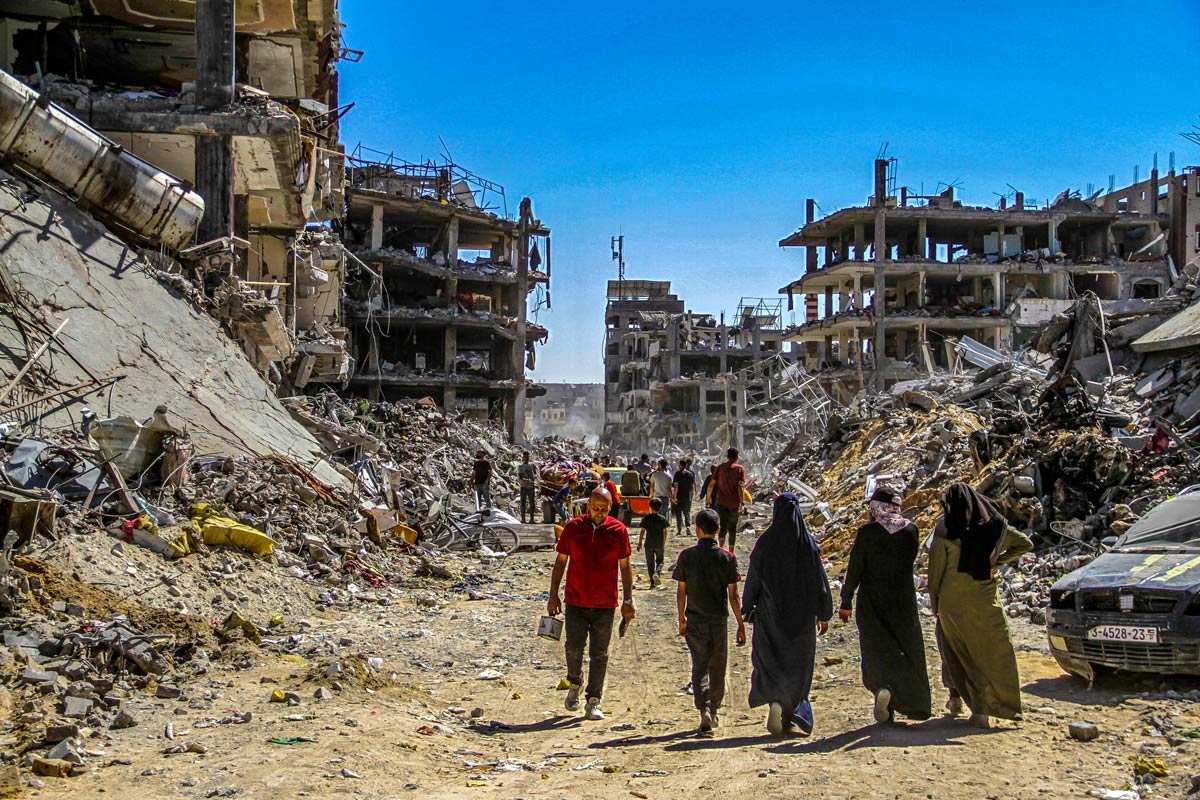
Ceasefire negotiations aimed at halting months of violence in Gaza have entered what mediators describe as a decisive phase, with regional and international actors intensifying diplomatic pressure to secure a sustainable truce.
Officials from Egypt and Qatar are leading mediation efforts between Israel and Hamas, working to bridge gaps over prisoner exchanges, humanitarian access, and long-term security guarantees. Talks have accelerated in recent days amid mounting international concern over civilian casualties and deteriorating living conditions inside Gaza.
Diplomatic sources indicate that discussions now focus on sequencing — whether a temporary pause in fighting should precede a broader political framework, or whether both elements can be negotiated simultaneously. Humanitarian organizations continue to warn that without sustained access corridors, shortages of food, medical supplies, and clean water will deepen the crisis.
The United States has increased its engagement behind the scenes, urging all parties to consider incremental steps that could build trust and reduce immediate hostilities. American officials have emphasized the importance of protecting civilians while maintaining regional stability, particularly given heightened tensions across the broader Middle East.
Also Read; Global AI Governance Talks Reveal Deep Divides
For families on both sides of the conflict, the negotiations carry profound emotional weight. Israeli families awaiting the return of hostages remain anxious for tangible progress, while Palestinian civilians face daily uncertainty as infrastructure damage compounds humanitarian strain. In border communities, displaced residents are watching closely, hoping for a durable halt to rocket fire and military operations.
Regional analysts caution that ceasefire efforts have faltered before due to disagreements over enforcement mechanisms and long-term political arrangements. Questions remain over who would monitor compliance, how reconstruction would be financed, and what guarantees would prevent renewed escalation.
International institutions have reiterated calls for immediate de-escalation and expanded humanitarian access. Aid agencies stress that even a temporary ceasefire could allow critical supplies to reach hospitals and displaced populations.
At the core of negotiations lies a broader political dilemma: how to move from a short-term truce to a sustainable settlement. Without addressing underlying grievances and governance challenges, experts warn that pauses in fighting may only provide temporary relief.
Despite the obstacles, diplomats involved in the talks suggest that momentum is stronger than in previous rounds. The convergence of regional mediation, global pressure, and humanitarian urgency has created a narrow but meaningful opportunity.
Whether that opportunity results in a breakthrough remains uncertain. Yet for millions affected by the conflict, even a limited pause would represent a moment of respite. The coming days are likely to determine whether diplomacy can achieve what months of violence have failed to resolve — a path toward stability in one of the world’s most enduring and volatile conflicts