MWE Correspondent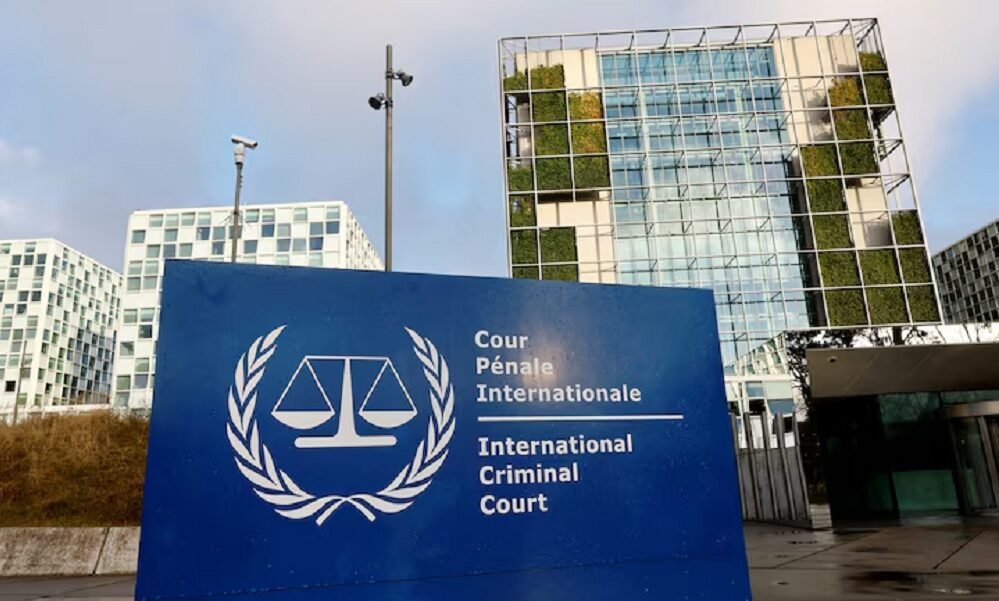
Debate over reforming the International Criminal Court (ICC) is gathering renewed momentum, as several Global South nations call for structural changes aimed at strengthening credibility and fairness in international justice.
Diplomatic discussions this week in New York and Addis Ababa have revived long-standing concerns about representation, prosecutorial balance, and the pace of investigations. While supporters of the court insist it remains a cornerstone of global accountability, critics argue that reform is necessary to ensure the institution reflects evolving geopolitical realities.
A recurring concern among African and Asian states is perceived selectivity in prosecutions. Although the ICC has broadened its caseload in recent years, many governments in the Global South maintain that earlier patterns created an imbalance that continues to shape perceptions. Leaders within the African Union have reiterated calls for greater consultation and a more transparent framework when initiating investigations.
At the heart of the reform push is governance. Some states are advocating adjustments to the court’s oversight mechanisms under the Rome Statute, the treaty that established the ICC. Proposals include clearer timelines for investigations, strengthened protections for state sovereignty, and improved communication with national judicial systems.
Legal scholars note that reform debates are not new. Since its creation in 2002, the ICC has faced political resistance from powerful countries that have not ratified the Rome Statute. Tensions have occasionally intensified when investigations touched sensitive geopolitical conflicts.
However, reform advocates stress that strengthening the court does not mean weakening accountability. Instead, they argue that modernizing procedures and enhancing inclusivity would make the institution more resilient. Greater regional representation in leadership positions and clearer criteria for case selection are among the ideas under discussion.
Also Read: IMF Debt Talks Reshape Africa’s Financial Future”
Civil society organizations remain divided. Human rights groups caution against reforms that could dilute prosecutorial independence, warning that political compromise must not undermine justice for victims. At the same time, some policy analysts contend that without broader global trust, enforcement capacity will continue to face obstacles.
The debate also reflects broader shifts in international power dynamics. Emerging economies are asserting greater influence in multilateral institutions, seeking structures that mirror today’s global balance rather than that of two decades ago.
For many observers, the question is not whether reform will occur, but how extensive it will be. Constructive dialogue between member states, legal experts, and civil society could shape the court’s trajectory for years to come.
Ultimately, the ICC’s legitimacy rests on a delicate foundation: independence, fairness, and universality. As reform discussions intensify, the international community faces a critical task — ensuring that accountability mechanisms evolve without losing their core mission of delivering justice where national systems cannot.