MWE Correspondent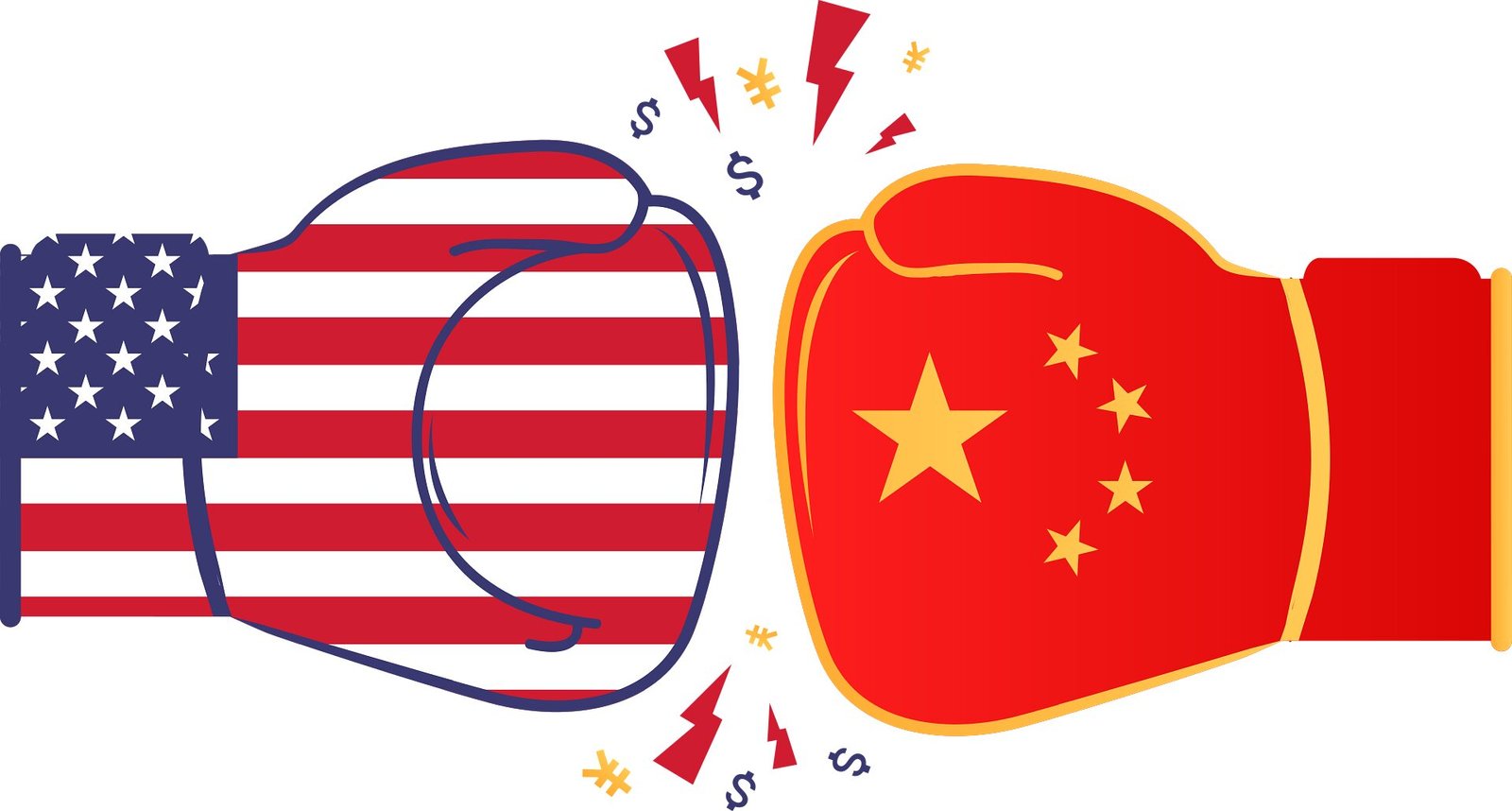
Fresh diplomatic engagements in the Indo-Pacific this week have underscored a reality that policymakers can no longer ignore: strategic competition between the United States and China is entering a more structured and consequential phase.
Senior defense and foreign policy officials from Washington met counterparts from regional allies in Manila and Tokyo, reinforcing commitments to maritime security and freedom of navigation. The meetings come amid rising concerns over military activity in the South China Sea and growing pressure on smaller states navigating between the world’s two largest economies.
For regional governments, the issue is not abstract. Trade routes through the Indo-Pacific carry a significant portion of global commerce. Any disruption — whether through naval posturing or economic retaliation — would reverberate far beyond Asia. Leaders in Southeast Asia have therefore adopted a cautious but pragmatic tone, seeking security assurances while preserving economic ties with Beijing.
China, for its part, has described recent U.S.-led defense coordination as an attempt to contain its legitimate regional influence. Officials in Beijing insist their naval presence protects sovereignty and safeguards trade interests. However, neighbors remain wary, particularly as coast guard confrontations and military exercises increase in frequency.
Also Read: ICC Moves Forward in High‑Profile Duterte Case
The Indo-Pacific has become central to American foreign policy planning over the past decade. Through initiatives such as the Quadrilateral Security Dialogue (Quad), Washington has strengthened strategic ties with India, Japan, and Australia. Supporters argue these partnerships promote stability. Critics warn they risk deepening bloc politics reminiscent of past great-power rivalries.
Economic competition is equally pronounced. Semiconductor supply chains, rare earth minerals, and advanced technologies are now viewed not merely as commercial assets but as national security priorities. Export controls, investment restrictions, and trade diversification strategies are becoming routine tools of statecraft.
Yet beneath the strategic calculations lies a more human dimension. Fishermen in contested waters, small exporters dependent on cross-border trade, and families with business ties on both sides all feel the ripple effects of diplomatic strain. Regional leaders understand that overt confrontation would come at a heavy cost.
Analysts suggest the coming months will test whether competition can remain managed rather than escalate into open confrontation. Diplomatic channels remain open, and both Washington and Beijing continue high-level dialogue, even as rhetoric occasionally sharpens.
For the broader international community, the stakes are clear. Stability in the Indo-Pacific underpins global economic confidence. Whether through deterrence, dialogue, or compromise, the choices made now by the United States and China will shape not only regional order but the trajectory of global power in the years ahead