MWE Correspondent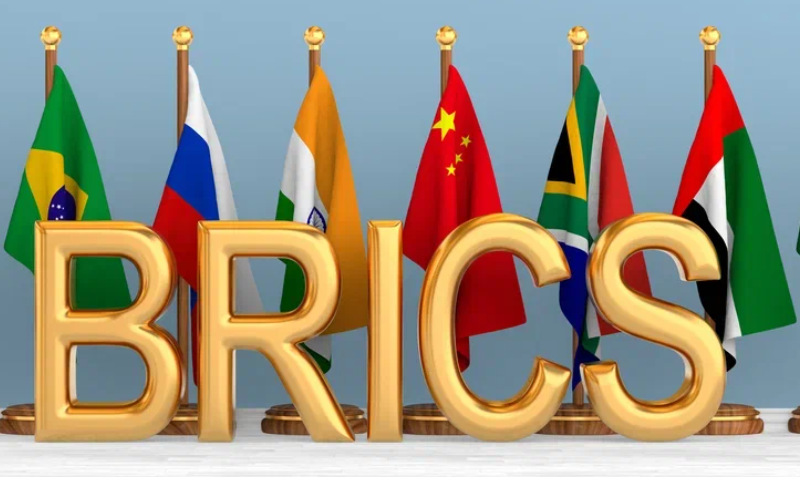
The BRICS bloc, composed of Brazil, Russia, India, China, South Africa, and recently admitted new members, is reshaping the global economic order by offering an alternative to Western-dominated financial institutions.
The expansion signals growing influence among emerging economies and highlights a shift toward multipolarity in international trade and finance.
Recent initiatives by BRICS emphasize settlement of trade in local currencies and the development of alternative financial mechanisms, aiming to reduce dependence on the U.S. dollar. The bloc’s New Development Bank (NDB) and Contingent Reserve Arrangement are central instruments for supporting member states, providing loans for infrastructure projects and offering safeguards against global financial shocks.
Africa stands to gain significantly from this evolution. Countries like South Africa and Nigeria are exploring partnerships that allow greater access to development financing without the conditionalities often associated with traditional lenders such as the International Monetary Fund (IMF) and the World Bank. By participating in BRICS-led financial initiatives, African nations can diversify funding sources, strengthen regional development programs, and enhance bargaining power in global markets.
Experts note that BRICS’ expansion also encourages investment in strategic sectors, including energy, mining, and infrastructure. By fostering South-South cooperation, member states can share technology, expertise, and resources, reducing reliance on traditional Western supply chains. The emphasis on local currencies and digital payment platforms further enhances economic resilience against potential geopolitical and financial pressures.
Also Read; U.S. Challenges China’s Grip on African Minerals
However, analysts caution that alternative financial systems must maintain transparency and governance standards. Shifting dependence from one set of global powers to another without strong domestic fiscal and institutional frameworks may replicate previous vulnerabilities. African policymakers are advised to combine BRICS engagement with regional initiatives such as the African Continental Free Trade Area (AfCFTA), enhancing economic integration and local industrialization.
The expansion of BRICS reflects a broader trend toward multipolarity in global finance, challenging the monopoly of established Western-led institutions. As African economies navigate this evolving landscape, the opportunity to leverage new financial channels could prove decisive for infrastructure development, industrial growth, and debt management.
In the coming years, the bloc’s influence on global trade, investment, and economic governance is expected to grow. For African nations, the challenge will be to balance engagement with BRICS while strengthening domestic systems and regional cooperation to ensure that international partnerships translate into sustainable and inclusive growth.