MWE Correspondent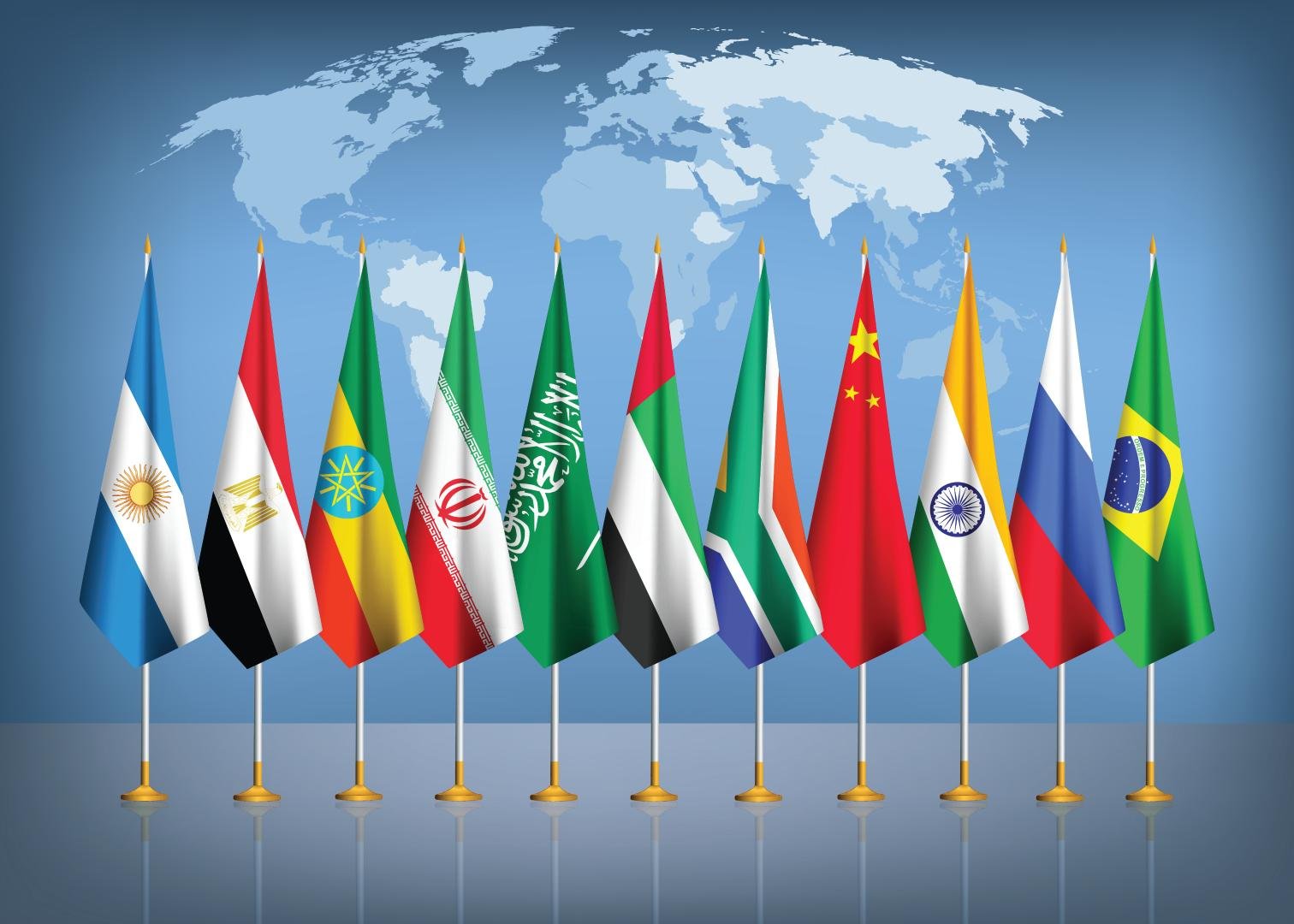
The rapid expansion of the BRICS bloc is accelerating a shift in the global financial architecture, with emerging economies pushing for alternatives to dollar-dominated trade and lending systems.
As the grouping widens its membership and deepens cooperation mechanisms, African countries are increasingly assessing how this transformation could reshape access to capital, currency stability, and long-term development financing.
Originally formed by Brazil, Russia, India, China, and South Africa, BRICS has in recent years admitted new members and partners from the Middle East, Africa, and Latin America. The bloc’s central objective is to strengthen South–South cooperation and reduce vulnerability to Western-controlled financial institutions and sanctions frameworks. Its policy platforms now emphasize local currency trade, development banking, and cross-border payment systems outside traditional channels.
A key instrument in this shift is the New Development Bank (NDB), created to finance infrastructure and sustainable development projects across emerging markets. The bank has expanded its lending portfolio in energy, transport, and water systems, including projects in African economies. Analysts say the NDB gives borrowing countries more negotiating space compared to traditional lenders, especially on policy conditions and repayment structures.
Parallel to this, BRICS members are testing settlement mechanisms that allow bilateral and multilateral trade using local currencies instead of the US dollar. These arrangements are designed to reduce exchange risk and shield trade flows from geopolitical restrictions. Several pilot transactions involving energy and commodity exports have already been conducted under non-dollar settlement frameworks, signaling a gradual diversification of reserve and trade currencies.
Also Read; Ukraine War Reshapes Global Alliances and Diplomacy
For African economies, the implications are significant. Many countries face high debt-servicing costs linked to dollar appreciation and external interest rate cycles. A broader menu of financing sources and currency options could lower exposure to external shocks. Governments are also exploring whether BRICS-linked platforms can support regional payment systems and intra-African trade under the African Continental Free Trade Area.
However, financial experts caution that diversification does not automatically equal independence. Some BRICS economies are themselves major creditors and resource importers from Africa. Without strong contract governance and transparent borrowing strategies, countries could simply shift dependency from one financial center to another. The debate therefore centers on negotiation power, regulatory capacity, and fiscal discipline.
Policy strategists recommend that African states coordinate positions through regional bodies when engaging BRICS finance initiatives. Priority areas include technology transfer, industrial financing, and value-addition projects rather than raw commodity extraction. Strengthening domestic capital markets and sovereign risk assessment frameworks is also seen as essential to avoid unsustainable borrowing patterns.
There is also rising interest in alternative reserve currencies and digital settlement platforms that could support cross-border trade without heavy transaction costs. Central bank digital currency experiments and regional clearing systems are being studied as complementary tools, not replacements, for existing monetary regimes.
As BRICS continues to institutionalize its financial cooperation structures, African policymakers face a strategic window. By engaging collectively, insisting on transparent terms, and aligning borrowing with industrial policy, they can convert the changing global finance landscape into leverage for development rather than a new layer of dependency.